
Rosie Burgin
Senior Editor

Senior Editor

About six years ago, Dutch company Tiler introduced an innovative charging tile that allows e-bikes to be charged via the kickstand. In recent years, Tiler was active in the Benelux B2B market and recently introduced a charging tile for consumers. Financial issues from the past, however, have forced the company to apply for bankruptcy, despite encouraging signs of market acceptance. But the story doesn't end here; Founder Olivier Coops is confident of a rapid restart.

Starting 18 February, 2027, the European Union will mandate a digital battery passport for all light means of transport (LMT) batteries, including e-bikes, to enhance sustainability and traceability. This digital record, accessed via QR code, will contain detailed information on the battery's composition, carbon footprint, technical performance and lifecycle. With one year to go, various solutions and regulatory clarity for the e-bike market are beginning to take shape.

For the first time since anti-dumping duties were introduced in 2019, China reclaimed its position as the European Union's top e-bike supplier in 2025. The lead is marginal, with an equal 32.8% share of the total e-bike import market together with Taiwan. Although only a mere 350 units more entered the EU from China than Taiwan, the island nation continues to hold 54% share of import value, totalling €318 million.

From late September 2025 through early 2026, the bicycle industry saw an unprecedented wave of human rights-related actions centred on Taiwan. The United States government's import ban on Giant products made in Taiwan triggered not only rapid remediation and reimbursements, but a broader shift toward systemic human rights due diligence in Taiwan's bicycle supply chain. Bike Europe takes stock of the changes.

One of the world's largest automotive suppliers ZF, marked its entry into the e-bike business with a debut at Eurobike in 2018. Specialising in tailor-made open drive systems, the German manufacturers aimed to become a serious competitor to Bosch. However, this has not materialised, leading to a doubtful future. "We have suspended our sales activities in this area," a spokesperson has confirmed to Bike Europe.

At Velofollies this month, Stromer took the opportunity to present its new concept for the future in an exclusive area requiring pre-access and no mobile phones. Behind the veil was a concept of the brand's new speed pedelec, which aims to make its debut at Velofollies in 2027. As part of the announcement, the company initiated a 365-day countdown to the launch. Although no photos or press kits were given, the new speed pedelec will be the fruits of four years in development and marks 'the future of Stromer'.

Viiala, the Swiss-based mobility company, has entered a strategic partnership with Spoke to integrate its V2X technology directly into its premium e-bikes. This integration ensures that Viiala bikes will be seen by equipped cars in real time, even without line of sight, making Viiala one of the first premium e-bike brands to offer vehicle awareness as a built-in capability.
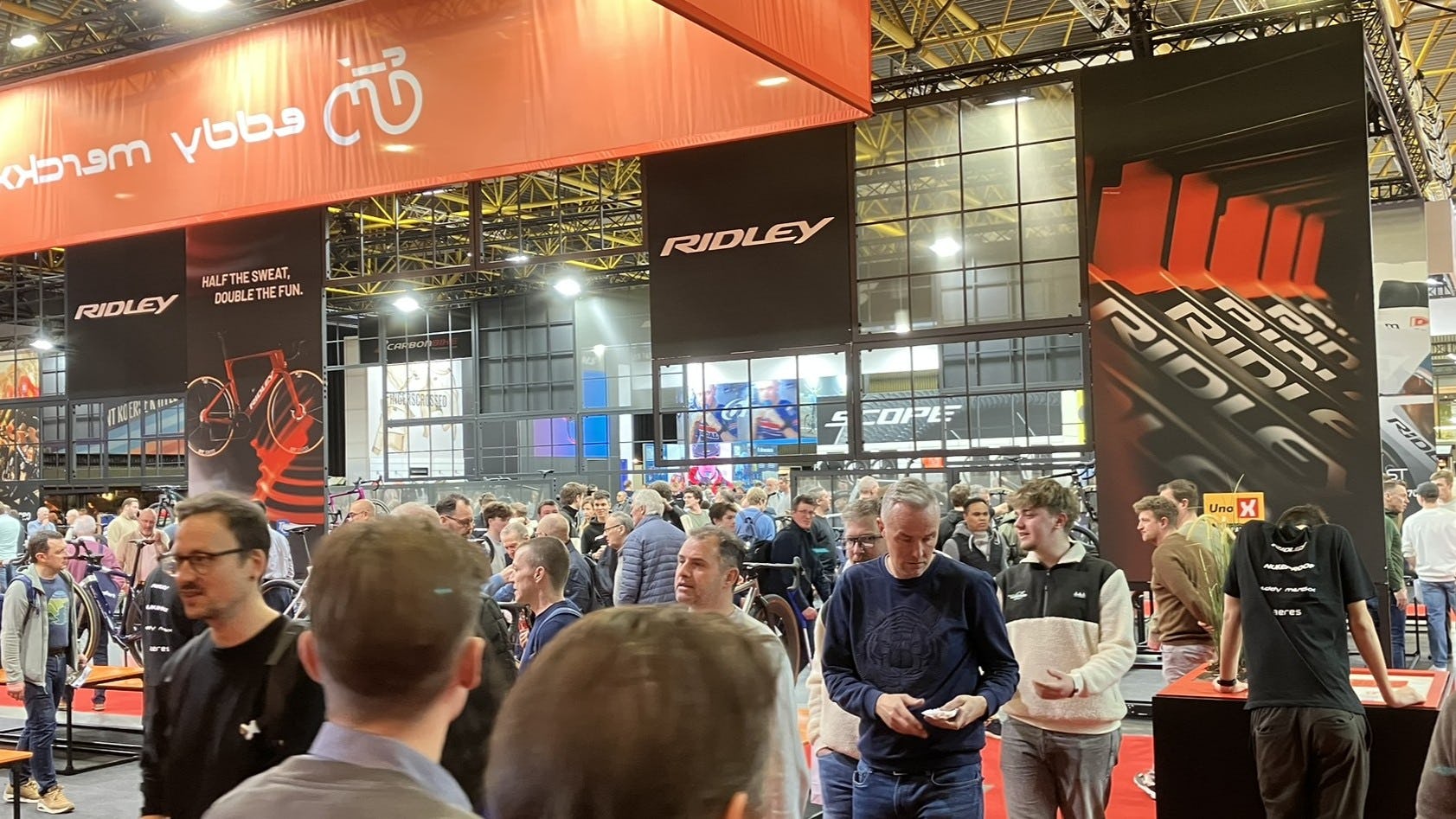
Belgium in January was the place to be this winter, and not just for the Benelux bicycle industry, but for the global market. Velofollies , beyond capitalising on the Eurobike implosion, is centred in a growing, mature market for both performance and mobility cycling. Although market data will not start trickling in across Europe for a couple of months, figures presented during Velofollies show that Belgium is starting the year on the back of a 7.7% increase in sales volume in 2025. With sales back in the plus and renewed optimism in the local market, it was almost impossible for Velofollies not to deliver this year.

After what it called a "stabilisation process" under an ad-interim CEO, speed pedelec manufacturer, myStromer AG, will continue under the leadership of Marcel Korner, effective 1 May 2026. In the role of chief executive officer (CEO), Korner will also become a member of the myStromer AG Board of Directors.
 Subscribers only
That 2025 was not going to be a good year for the Taiwanese industry was already evident after Taipei Cycle in March when it became obvious that order books were still empty. The bicycle-producing nation closed 2025 with a 7% drop in e-bike export volume, compared to the record-breaking bad year in 2024. With just under 337,000 units leaving the country and the export value dropping another 3%, it shows the Taiwan industry is still facing an uphill climb to bring production back to pre-pandemic levels.