
Jan-Willem van Schaik
Editor in Chief

Editor in Chief

The role of product awards at international trade fairs has evolved from a promotional tool to a benchmark. Is the industry integrating key trends such as artificial intelligence (AI) and sustainability into product design? The number of submissions has become an indicator of the industry's performance and level of investment in innovations. All these elements come together in the fourteenth Taipei Cycle d&i Awards, which will be announced on the opening day of the Taipei Cycle Show. Bike Europe sat down with three jury members to discuss how they evaluated the entries.
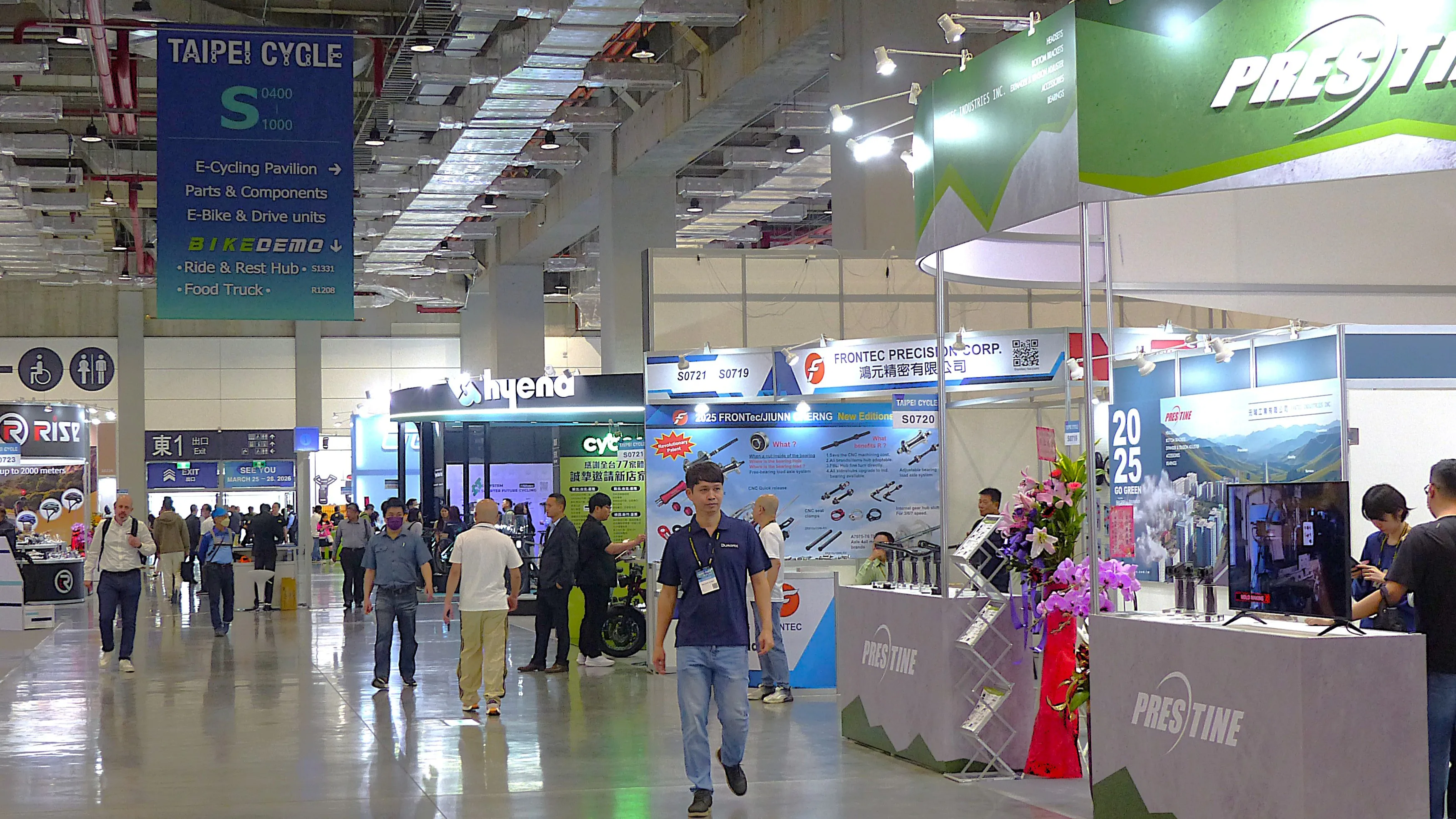
More than ever before, the industry is awaiting the outcomes of the Taipei Cycle Show. Trade show visits are under pressure in general, and the challenges in the bicycle industry create significant market uncertainty.
As expected, the financial performance of leading industry companies shows that 2025 was a challenging year for the bicycle industry. Especially the leading bike manufacturers were down as they had to continue discounting to bring their inventory levels back to healthy levels. Component manufacturers reported stable sales as replacement parts remain in demand, and the OEM order books for 2026 show a moderate increase again.

Although the March Global Bicycle Purchasing Index (GBPI) data points to sustained improvements in new incoming order levels and the own purchasing levels of bicycles, the assessment of the current industry situation remains poor or average at best. Business sentiment has failed to recover from the drop following Eurobike 2025.

The trade show landscape is adrift and in uncertainty since German industry organisations announced that they will pull out of Eurobike. For decades, the show served as a stable base for the bicycle trade. It was the place to be for the industry and was its window to the rest of the world. Since the organisations ZIV and Zukunft Fahrrad turned their back on Eurobike, this seems to be history, especially for the German companies. Even more telling, newcomers are jumping at the opportunity to capture the audience's attention.
One week before the opening of the Taipei International Cycle Show, the financial reports of the country's three main bicycle manufacturers do not contribute to an upbeat business mood. The combined revenue of these three companies dropped by 13.4% from TWD 103.2 billion (€2.8 billion) in 2024 to TWD 89.4 billion (€2.4 billion) last year. The business mood at Taichung Bike Week six months ago was already a clear indicator of what these numbers confirm. The situation has not improved since September as Taiwan's industry continues to face headwinds.

All financial indicators in 2025 have already made it clear that Canyon is still unable to recover from the post-pandemic industry crisis. The full-year results from owner Groupe Bruxelles Lambert (GBL) showed a further 7% decline in Canyon's sales, resulting in a net loss of 34% across the whole year.
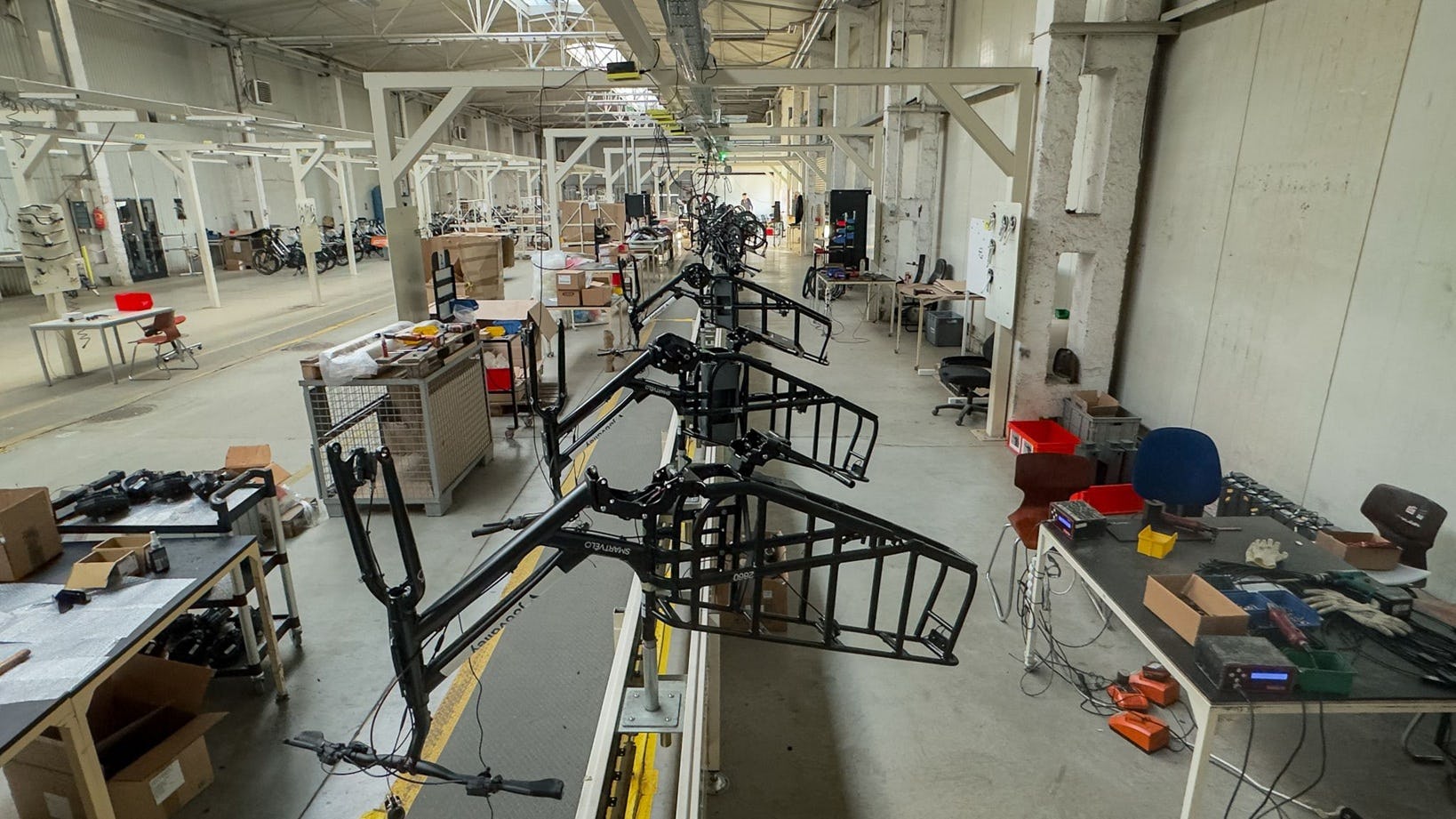
Singapore-based DuTech Holding Ltd. is rapidly snapping up a series of companies in the bicycle industry. As a global player in cash-handling machines (ATMs), the company is now also eyeing the bicycle industry, particularly in Europe. As the bicycle industry's financial position has remained weak since the aftermath of the pandemic, this strategic investor is a welcome guest for many companies.
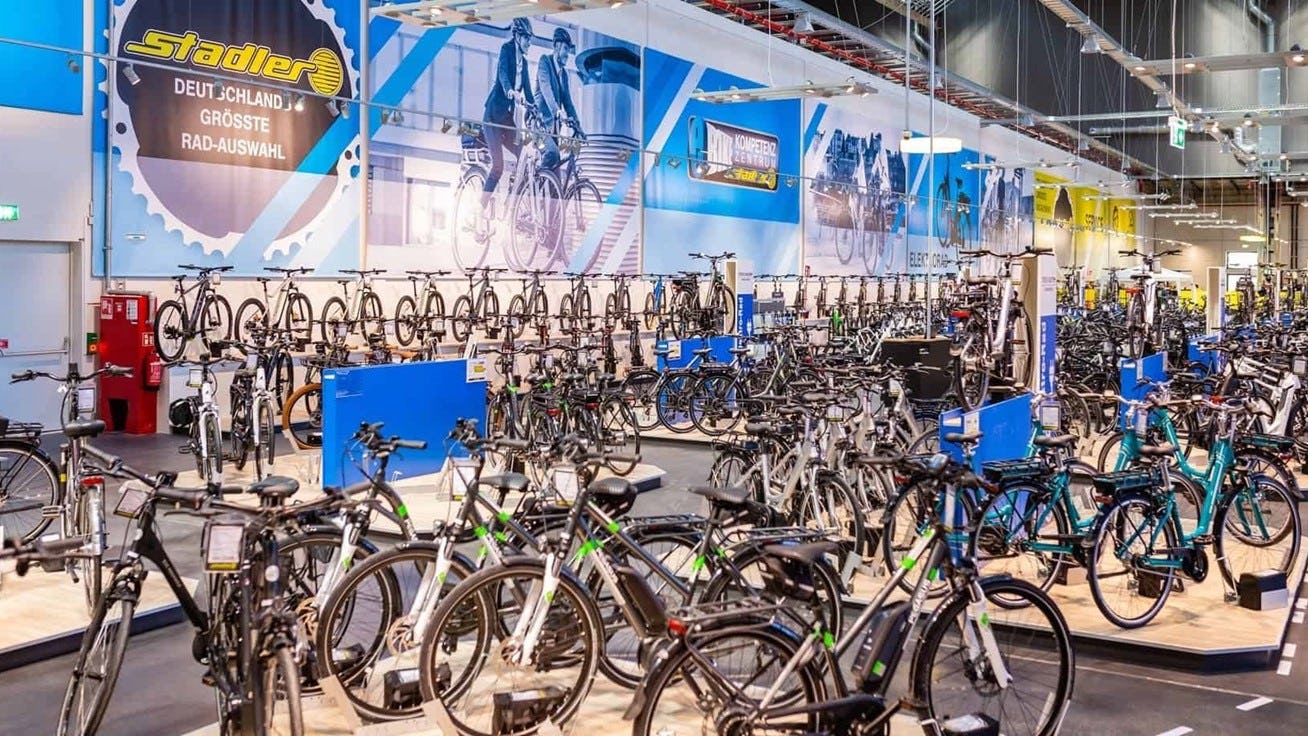
At two million units, the German e-bike market held steady in 2025, after the volatile market during pandemic years. The sales volume has been around this level since 2023. The same goes for mechanical bicycles, whose sales volume has remained steady over the past three years at just under two million units. To grow the market, the industry should therefore focus on increasing the average retail price, but that continued to decline in 2025. No wonder the industry organisations emphasised the growing popularity of bike leasing and refurbishing at their joint presentation of the 2025 market results.

The e-bike and e-kit business of Yamaha Motor faced a challenging business environment, with demand falling short of expectations in certain markets. The Japanese company reports in its 2025 financial overview that revenue declined 4% year-on-year in its smart power vehicle (SPV) business, which includes e-bikes, e-bike systems and electrically powered wheelchairs.
