
Katie Sawyer
Junior Editor

Junior Editor

Testing, inspection and certification company SGS has expanded its global bicycle and e-mobility testing network with the opening of a new laboratory in Bentonville, Arkansas, on 18 May. The new lab will focus on compliance testing for bicycles, e-bikes and other micromobility products destined for North American and international markets.

China appears to be losing its foothold in the United States market, as first-quarter import figures reflect the lasting impact of US President Donald Trump's global tariffs. As markets adjust to last year's volatile rebalancing, a reshaped competitive landscape is emerging, with the old order fading across much of Asia.

Patent protection sits at the intersection of market competitiveness and innovation in the bicycle industry. In global supply chains, intellectual property (IP) rights can determine who controls a technological advancement and who gets locked out of it. Companies interested in getting ahead are turning to patent protection for both hardware and, increasingly, software.
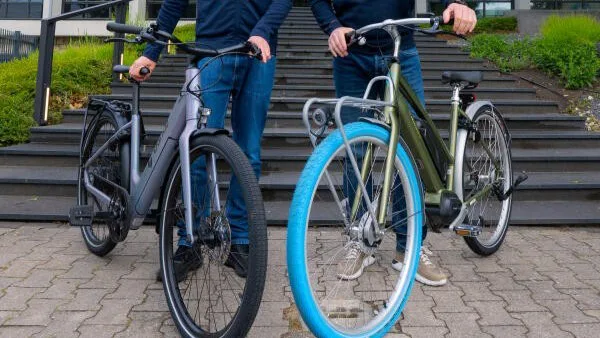
Leading bike subscription company Swapfiets has further strengthened its position in the European market by acquiring Berlin-based e-bike subscription provider Dance.
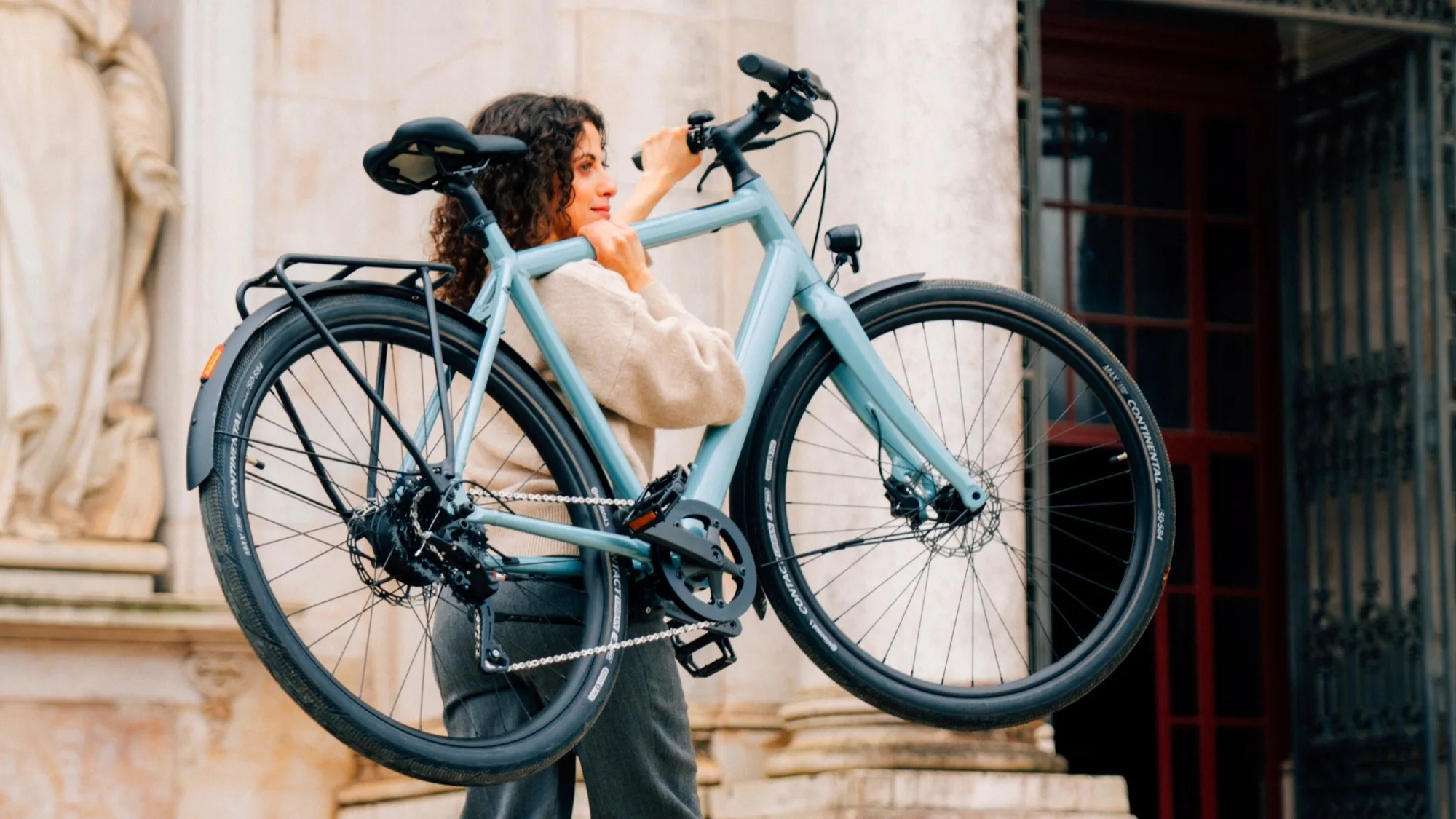
Ampler Bikes has entered insolvency proceedings following years of financial pressure tied to difficult market conditions, quality issues affecting earlier bike models and a recent commercial dispute related to its Berlin showroom.

Bike Leasing company JobRad is accelerating its international expansion strategy with the launch of dedicated refurbished bike webshops in Austria and the Netherlands, marking the company's first direct entry into the Dutch market through its JobRad Loop platform.

German trade organisation Zukunft Fahrrad and not-for-profit initiative DiBike (Digitise Bike Business) have launched a new infrastructure endeavour designed to simplify service verification workflows in the growing German bicycle leasing market.

German bicycle brand Cube has announced a product safety recall for selected 2026-model-year hybrid e-bikes fitted with ACID Carbon Hybrid crank arms after identifying a potential failure risk in the pedal insert area. A Cub representative confirmed to Bike Europe that 20,000 bikes are affected. The bikes were sold worldwide, with the majority going to German-speaking countries.

Basque bicycle manufacturer Orbea reported a limited 2.3% decline in revenue for 2025, a small reduction in revenue that the cooperative attributes to its continuous market monitoring and disciplined management of a "responsible sales plan." This contrasts with 2024, when Orbea reported an 8% year-over-year decline in turnover, suggesting that profitability and margin performance stabilised considerably in 2025.

Porsche AG has announced it will shut down its e-bike drive-system subsidiary, Porsche eBike Performance GmbH, as part of a broader restructuring for the renowned German manufacturer.
