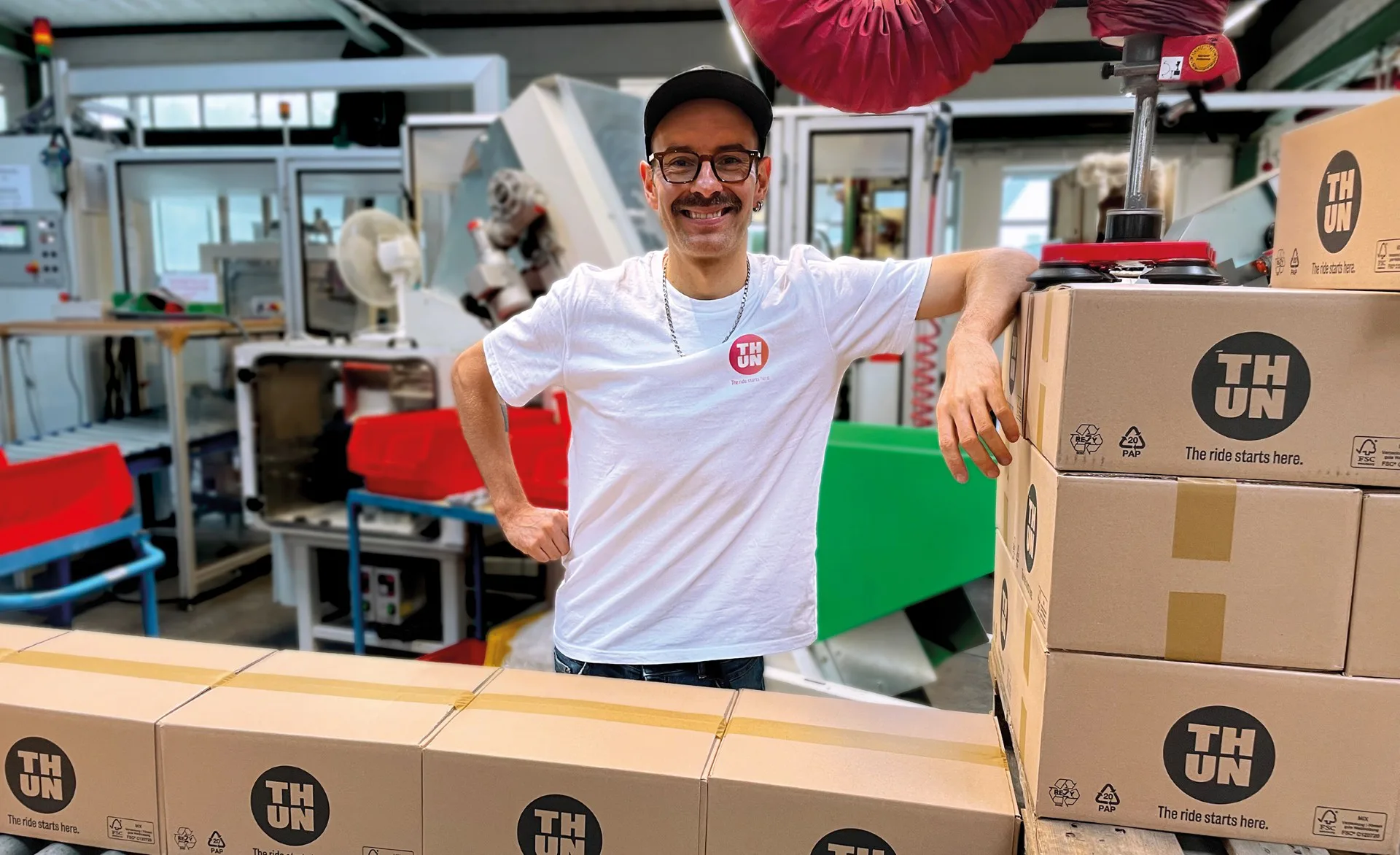
For more than a century, the family-owned company based in Ennepetal, Germany, has been developing and manufacturing drivetrain components for bicycles. In the past, this included cranksets, chainrings, and headsets. Today, THUN focuses exclusively on bottom brackets, essential components that keep every bicycle running, yet remain invisible once installed.
“We have spent too long producing invisible products,” says Alex Thun, Co-CEO of the fourth-generation family business. “Our bottom brackets are known for their performance and quality, especially among product managers and the specialist trade. But for the end consumer, they remain unseen.” That is about to change. Through a new strategic partnership with French start-up 1432, THUN is stepping back into the visible part of the bicycle, while reconnecting with its own heritage.
A company with drivetrain DNA
THUN’s story dates back to 1919, specializing in bicycle drivetrain components. By the 1960s and 70s, it had grown into a global player with more than a dozen international sites, around 2,000 employees and a broad product portfolio including cranks, hubs, pedals and headsets.
A key innovation came from within the family itself: Alex Thun’s grandfather developed a cold-forming technology for crank production that significantly advanced manufacturing standards at the time. However, the rise of mountain biking in the 1980s shifted large parts of component manufacturing to Asia. European producers increasingly struggled to remain cost-competitive. THUN responded with a radical strategic decision.
“My father restructured the company and focused entirely on one component: the bottom bracket,” explains Thun. “At that time, bottom brackets were still assembled from many individual parts. He developed the cartridge bottom bracket with plastic bearing cups,that became our unique selling proposition.”
Easy installation, durability and reliability have defined the company’s philosophy ever since, supported by a strong quality management system and ISO 9001 certification. Today, THUN employs around 50 people in Ennepetal and is the last remaining manufacturer of these components in Europe.
From hidden champion to visible player
While the focus on bottom brackets proved economically successful, it came with a downside: invisibility. “For a long time, we saw ourselves purely as a metal-processing supplier,” says Thun. After the COVID-19 pandemic, it became clear that a strategic repositioning was needed.
Ahead of Eurobike 2024, the company initiated a comprehensive rebranding process involving all employees. “All 50 team members were part of it. We no longer wanted to remain a hidden champion with invisible products. THUN should become visible again, both in B2B and B2C.” The path forward: partnerships.
A fortunate encounter at Eurobike
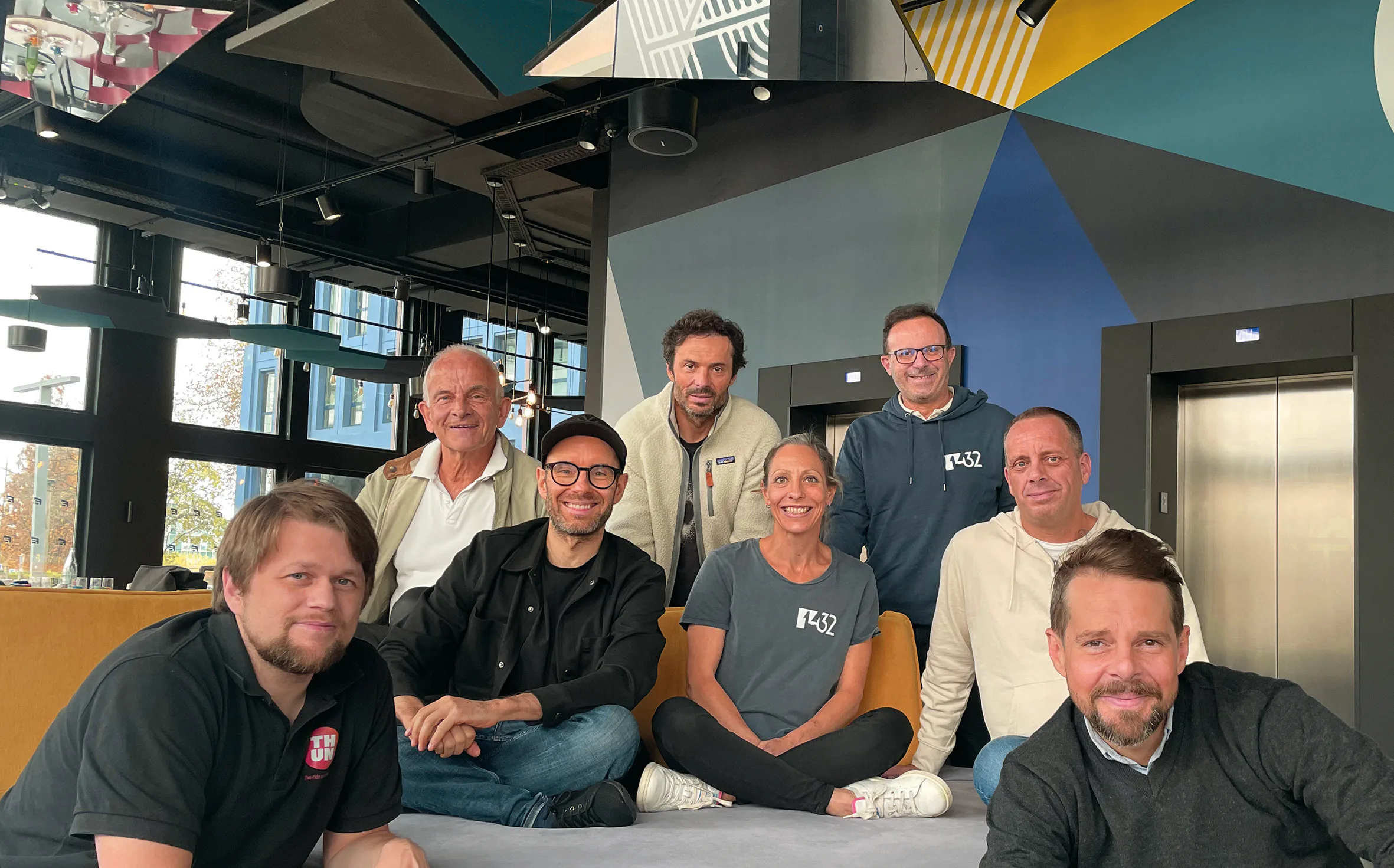
At Eurobike 2024, the THUN team discovered the booth of the young French company 1432. The start-up, based in the Lyon/St. Étienne region and named after the altitude of a local mountain, develops innovative bicycle components with a strong focus on design-to-cost engineering. Shortly after the show, THUN visited Lyon, followed by a return visit from the French team to Ennepetal. “There was an immediate connection between the teams,” Thun recalls.
The start-up, with around ten employees, brings complementary strengths. “1432 is extremely innovative in product development, they can do things we cannot. In turn, we contribute market expertise, sales channels, customer relationships and certified quality.”
First Products: eClimax cranksets for E-Bikes
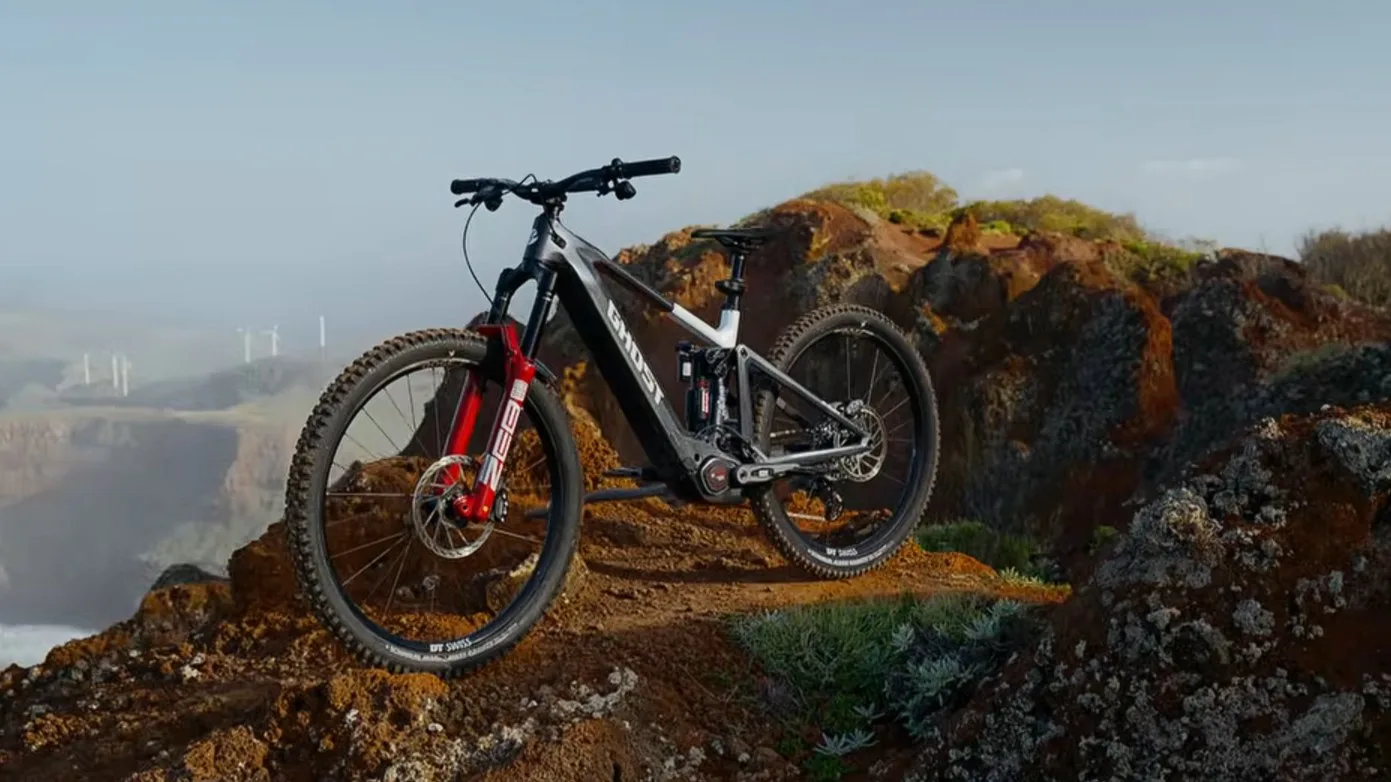
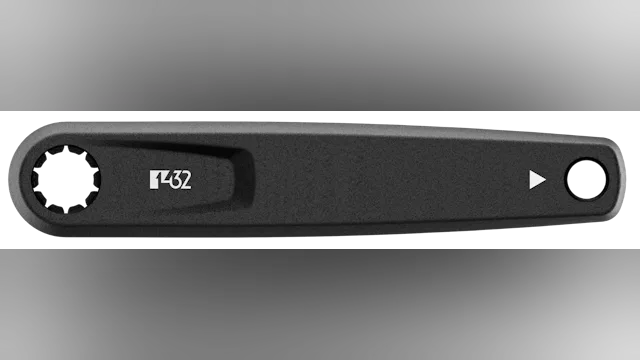
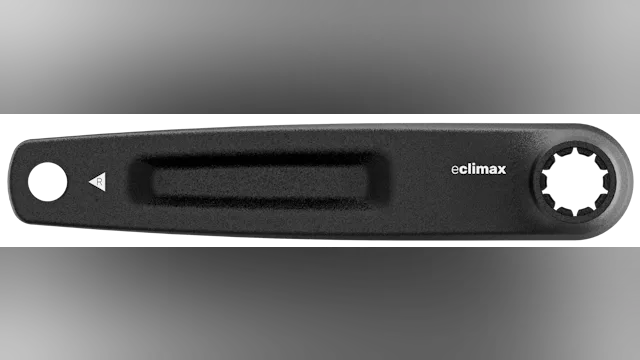
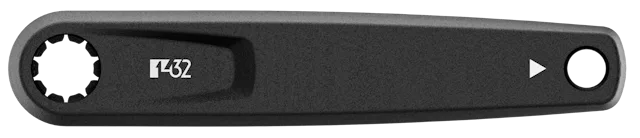
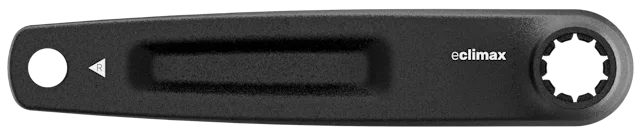
The first tangible result of this partnership is the new eClimax crank series. THUN has taken on exclusive global distribution for OEM customers, while 1432 remains responsible for development and production. The initial models include the eClimax 516, designed for city and urban e-bikes, and the eClimax 1213, developed specifically for e-MTB applications.
Both cranksets are engineered to handle the increasing torque of modern e-bike systems and meet the highest standards, including ISO 4210 certification for mountain bikes. A key aspect for both partners: production takes place in Europe. “We still believe in global markets,” says Thun. “But we want to reduce dependencies. Today, a single missing component can disrupt entire supply chains.”
Design-to-Cost – Made in Europe
The eClimax 516 was developed with a clear objective: achieving competitive pricing despite European production. Its modern aluminum design targets urban e-bikes and SUV-style concepts that face high daily loads.
Color options, certifications and customization features provide OEMs with additional differentiation opportunities. At the same time, both companies are already working on further joint R&D projects in the drivetrain segment.
A Journey back to the future
For THUN, the partnership represents more than just a new product line. “This cooperation brings us back into the visible part of the bicycle,” says Alex Thun. “And it gives us renewed confidence as a company.” In a time of crises, geopolitical uncertainty and technological change, THUN sees this as a crucial step forward. “We celebrated our 100th anniversary seven years ago. Now we are working to make the company fit for the next hundred years.”
Order intake has stabilized since early 2026. But for THUN, one thing is clear: continuing as before is not an option. “We are a small company from Ennepetal that has weathered many crises. Now it’s about becoming future-ready, and boldly moving into the next century through new partnerships.”
This article is sponsored by Thun.