In 2023, Joycube was founded as a standalone company by Phylion, which continues to be the majority shareholder. While the two companies remain connected through ownership, their business focus differs significantly. Phylion concentrates on battery solutions based on its own cell technology and mainly serves the Chinese market, whereas Joycube aims to provide flexible battery pack solutions for international customers.
Although it supplies batteries for a range of applications, e-bikes remain one of its key markets. The battery producer aims to broaden the application of its battery pack solutions but is particularly driven to strengthen its involvement in the e-bike market over the next 5 to 10 years. “Geopolitical uncertainties and the increasing focus on energy security have made energy storage one of the fastest-growing sectors in 2026. However, we believe that electric two-wheelers serve a fundamental mobility need for millions of people and will continue to enjoy stable, long-term growth,” explains Steve Zhang, executive assistant to the general manager at the Suzhou-based company.
Building an international footprint
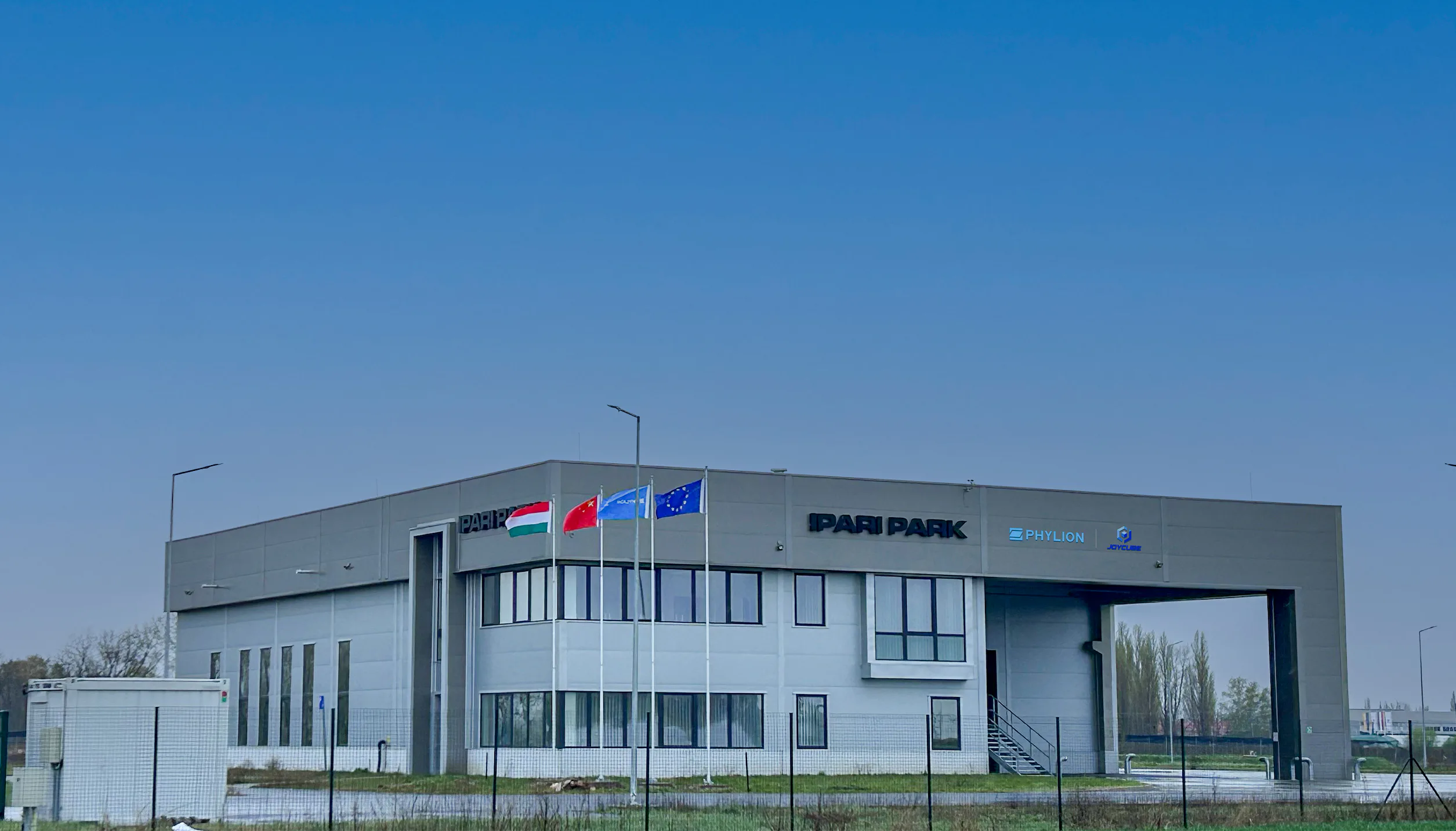
Part of that ambition to expand its presence in the e-bike industry is creating a global network of production and service. To do so, the Chinese company has set up a subsidiary in the Netherlands as well as manufacturing facilities in Hungary and Indonesia. The Hungarian plant is aimed at strengthening localised production capabilities and increasing supply chain resilience in Europe, while the Indonesian production facility aims to expand Joycube’s manufacturing footprint in Southeast Asia.
At the same time, the brand realises that more is required than just local production if it truly wants to offer flexible solutions. “We believe that local support is just as important as local production. To provide faster and more responsive services, we have established after-sales service centres across multiple European countries as well as in the United States, ensuring that our customers receive timely technical support and reliable service throughout the entire product lifecycle. Our local teams and regional branches serve as a vital bridge between us and our customers. They enable us to provide faster pre-sales and after-sales support while developing a deep understanding of local market needs, regulatory requirements, and application scenarios. This allows us to deliver solutions that are better tailored to each region,” says Zhang.
Innovation as a competitive advantage
Another pillar of Joycube’s operations is the combination of technological experience on the one hand and new research and development on the other hand. While the company can profit from Phylion’s extensive knowledge of lithium-ion batteries, it is equally driven by innovation. An example of this is its in-house developed Battery Management System (BMS). This allows for closer integration between cells, hardware and software and enables the company to provide its customers with customised solutions for different applications.
The battery producer has approximately 50% of its employees dedicated to research and development, while 10% of the operating costs are invested in R&D annually. “This reflects our long-term commitment to technological innovation and continuous improvement. Our R&D teams work closely with the market, customers, and strategic partners to ensure that innovation addresses real customer needs and can be rapidly transformed into competitive products that create lasting value.”
Towards repairable and next-generation batteries
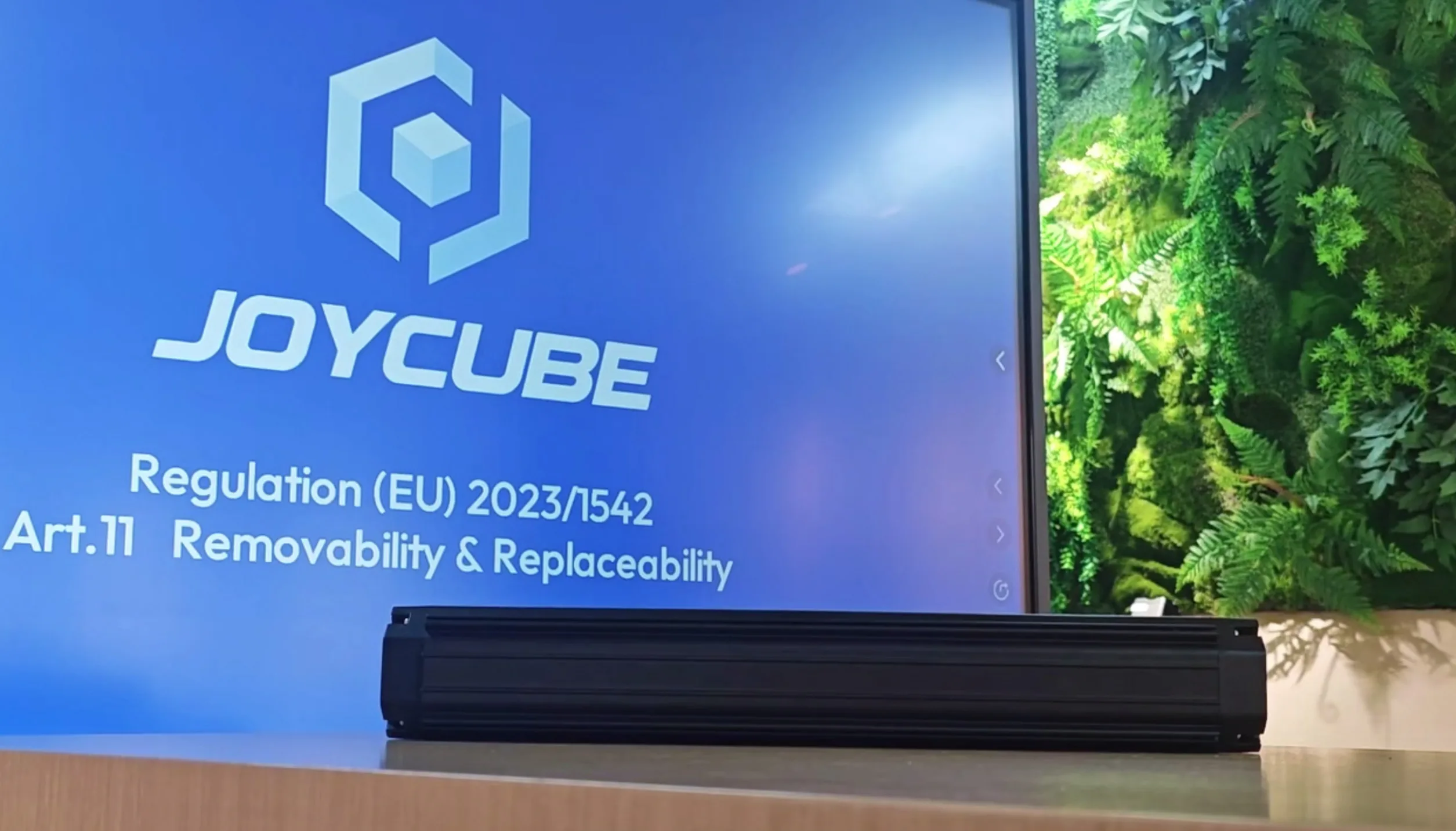
Among the trends the company recognises are continued improvement in lightweight design, higher system efficiency, increasing intelligence and an ongoing interest in safety and regulatory compliance, especially in Europe. Accordingly, one focus of future battery developments by the Chinese company is sustainability. “On that side, we are developing a replaceable cell module solution. When battery performance degrades or individual cells fail, the affected modules can be replaced without dismantling the entire pack. This extends battery lifetime, reduces resource waste, and supports the New EU Battery Regulation’s requirements for repairability and longer service life.”
Another innovation of major interest is next-generation battery technologies. “At the same time, we are also exploring semi-solid-state battery technology to further improve safety, energy density, and thermal stability for future high-performance LEV applications,” Zhang concludes.
This article is sponsored by Joycube.