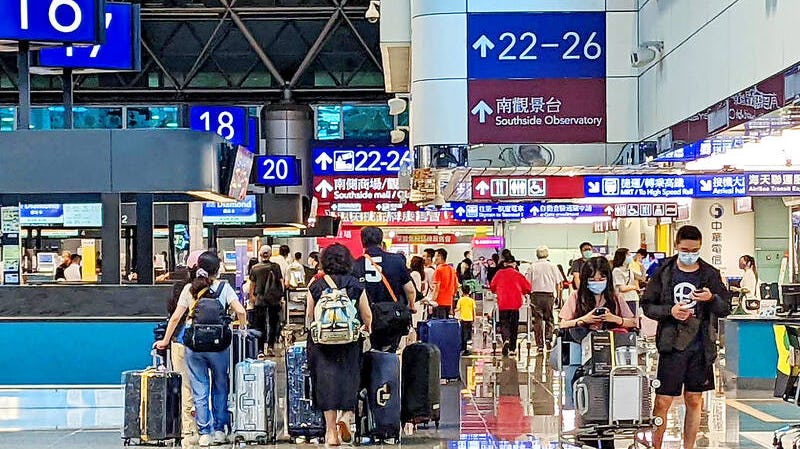
Taichung Bike Week began as a small OEM-focused gathering organised by people within the bicycle industry. Its aim was to bring together brands, product managers and suppliers at the right stage of the product development cycle to discuss ideas, future products and new partnerships.
As participation grew, the event expanded from a single hotel into multiple venues across Taichung. Yet its purpose remained unchanged. Rather than becoming a public exhibition or marketing showcase, it evolved into a business platform focused on OEMs, ODMs, brands, component suppliers and purchasing teams.
Organic collaboration
One of its defining features is that it has never had a single organiser. Instead, it developed organically through collaboration between suppliers, brands and hotels.
"Taichung Bike Week developed organically from the ground up because the industry needed a specialised business platform, not a marketing spectacle. That collaborative, industry-led approach allows the event to naturally pivot alongside market realities, rather than being stuck in the rigid format of a conventional trade show," says Alfred Tsai, industry veteran and long-time Taichung Bike Week coordinator.
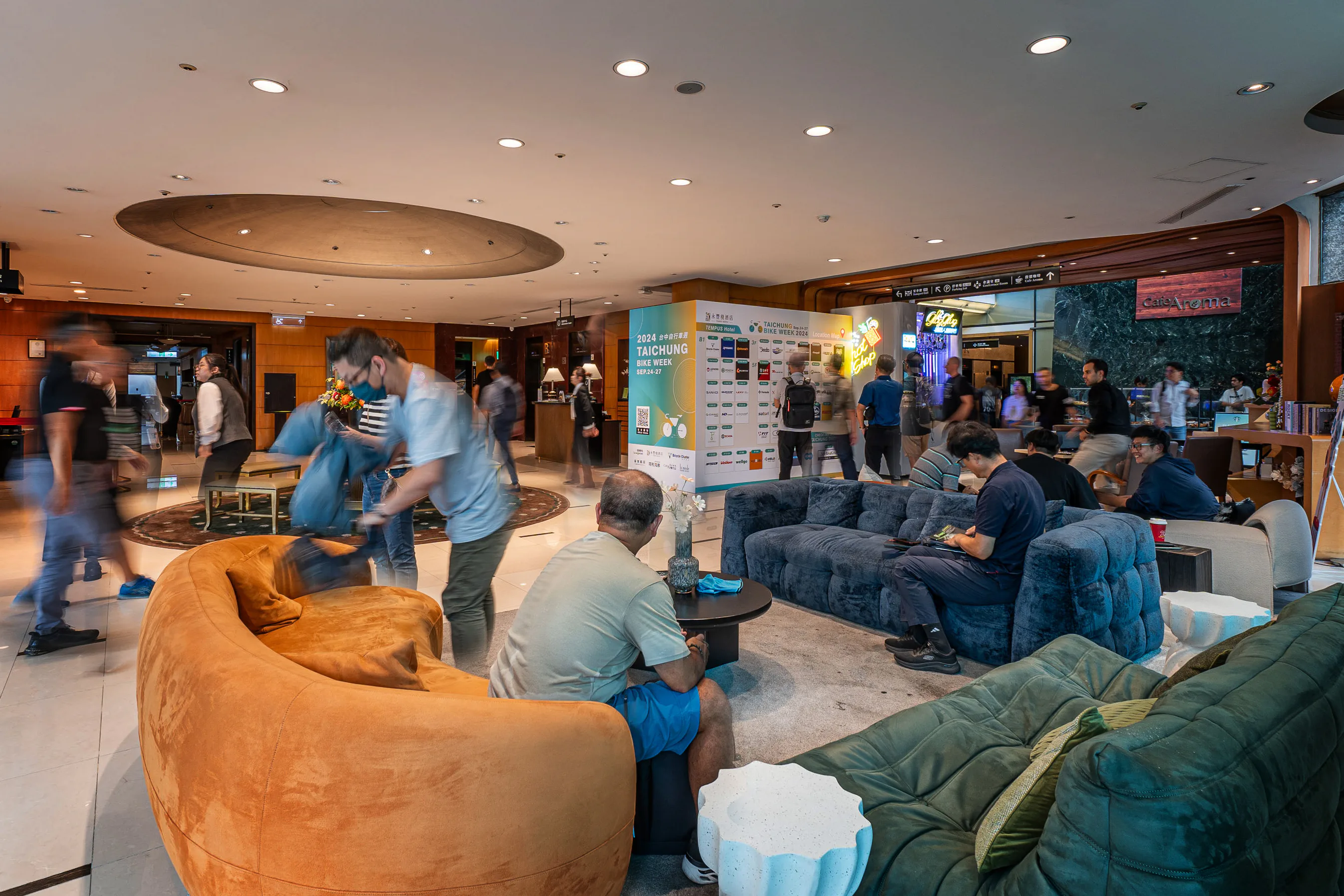
Where decisions are made
Unlike many trade fairs, Taichung Bike Week is not about launching finished products. It is where companies discuss products that may still be one or two years away from reaching consumers.
Specifications, sourcing strategies, manufacturing processes and long-term partnerships are all shaped during the week. "Personally, I do not see Taichung Bike Week as a product showcase – I see it as a Product Decision Week," adds Tsai.
The event also remains highly efficient. Suppliers avoid the cost of building elaborate exhibition stands, while buyers can meet numerous partners in a few days and combine those meetings with factory visits. Taiwan's concentrated bicycle manufacturing cluster makes it possible to see production facilities, evaluate quality systems and discuss technical developments within a single trip.
Face-to-face still matters
Digital communication has transformed international business, but it has not replaced the value of meeting in person. Developing new bicycle products requires detailed discussions about materials, compatibility, pricing, production capacity, delivery schedules and future collaboration. These conversations are often more productive around a meeting table than on a video call.
"Video calls are great for maintaining relationships, but when you are discussing raw materials, component compatibility, factory timelines and complex pricing structures, nothing replaces the efficiency of sitting around a physical layout table. Face-to-face is where real trust is built," emphasises Tsai.
I do not see Taichung Bike Week as a product showcase – I see it as a Product Decision Week”
The event's influence extends well beyond four days. Rather than generating immediate purchase orders, many discussions shape sourcing decisions, product specifications and supply chain strategies for the months and years ahead.
Adapting to a changing industry
The bicycle industry has faced significant disruption in recent years, from the pandemic and inventory corrections to geopolitical uncertainty and economic pressures. As a result, conversations at Taichung Bike Week have also changed. Visitors now arrive with broader questions. Which suppliers offer stable production? How should product portfolios evolve? How can brands and suppliers respond together to sustainability requirements, e-mobility and changing consumer demand?
"We are seeing a major shift in the dynamic between brands and factories. Asian suppliers are no longer just pure manufacturing partners executing an order; they are active co-developers bringing critical expertise in material sciences, green tech, and regulatory compliance to the table,” says Tsai.
The focus has shifted from price alone to creating better products through closer collaboration.
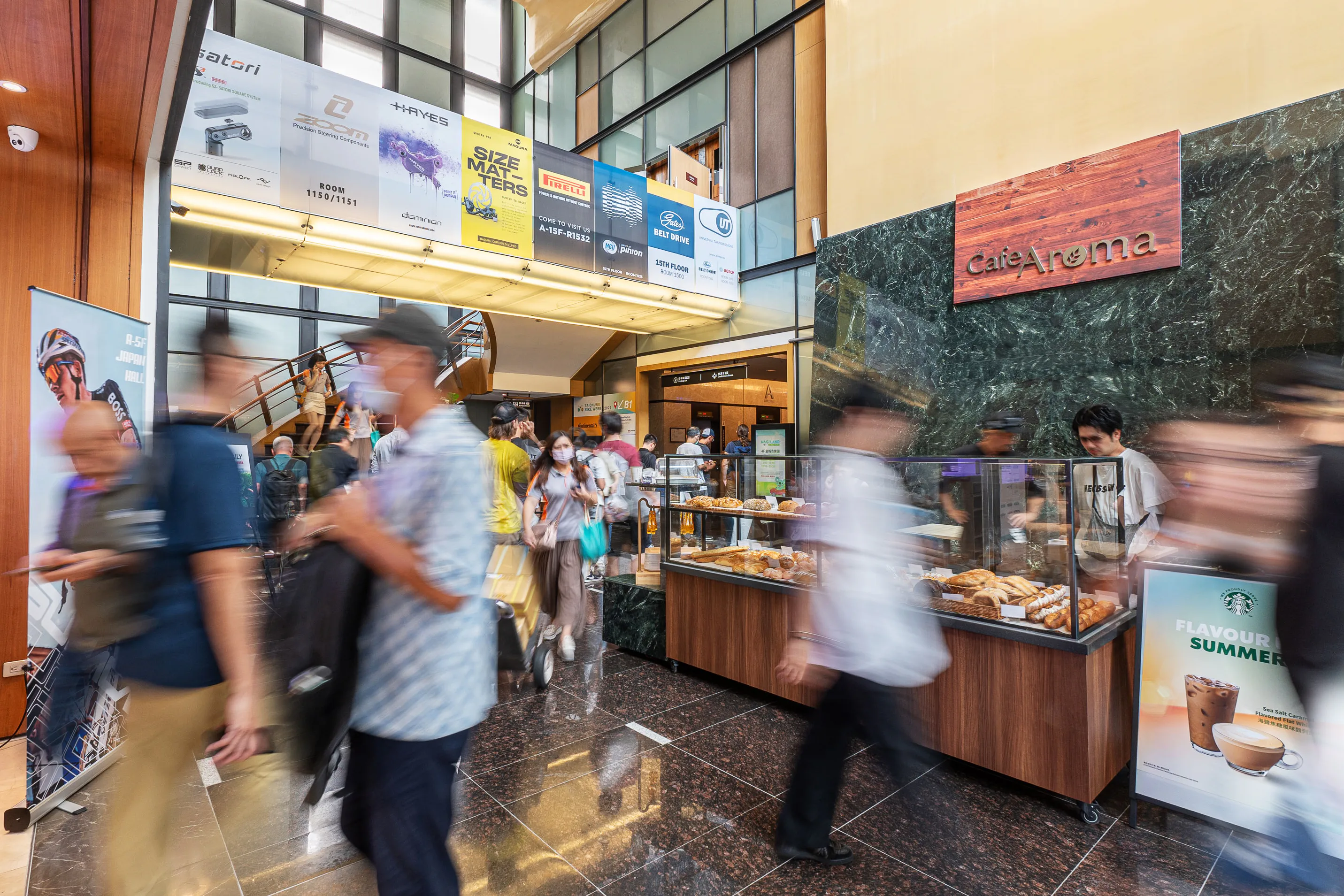
From four days to full-time
The next stage in Taichung Bike Week's evolution is likely to combine physical meetings with digital tools. Companies could identify suppliers, explore products, analyse market information and schedule meetings before arriving in Taiwan. During the event, they can efficiently combine business meetings with factory visits, allowing them to better understand manufacturing capabilities, quality systems and new technologies within Taiwan's bicycle supply chain, while continuing collaboration afterwards through shared data and ongoing communication. This would transform Taichung Bike Week from a four-day meeting into a year-round platform for supply chain engagement.
Holistic conversations
As sustainability, carbon reporting and global regulations become increasingly important, discussions will continue to move beyond whether a product can be manufactured. "The central question used to be 'can you build this?' Today, international regulations demand we ask 'Where is it made?’, ‘How do we measure its carbon footprint?’, and ‘Does it meet global ESG targets?' The conversations here are becoming much more holistic," Tsai explains.
Taichung Bike Week may not resemble a traditional international exhibition. It has no grand stages or headline product launches. Yet behind the doors of hotel meeting rooms, many of the partnerships, product decisions and supply chain strategies that shape the future of the bicycle industry quietly begin. That is why, in a rapidly changing global market, Taichung Bike Week continues to matter.
This article is sponsored by Taichung Bike Week.