

“With most of the product managers we talk to, we see connectivity being addressed very late in the development process,” says Mario Petters, COO of IoT Venture. “By then, there is often simply no room left in the BOM, and above all, not enough time to set the system up properly.”
The problem, however, does not lie with the product manager. Digitalisation is a team sport.
Digitalisation is more than just a GPS tracker
Hiding a GPS tracker inside a bike frame is no longer a major technical challenge. The real challenge starts much earlier: What is the connected bike supposed to deliver for the brand? And how do we connect the customer with the dealer? Today, these questions go far beyond theft protection. They cover everything from motor and data integration, apps and dealer networks to insurance, service and new business models.
The fear of theft remains one of the most common barriers to purchasing an e-bike. In theft cases handled through IoT Venture’s Recovery Service, the bike is successfully recovered and returned to its owner in three out of four cases. IoT Venture handles the tracking process and works with the police until the bike is recovered. What does this mean for the product manager? First, lower claims costs can make insurance premiums more predictable. Second, the customer gets to keep their bike.
The demands for security, service and transparency around how a bike is used are continuously increasing. Since 2016, IoT Venture has specialised in connected-bike solutions and has successfully implemented systems with brands including Riese & Müller, Velo de Ville and Dance.
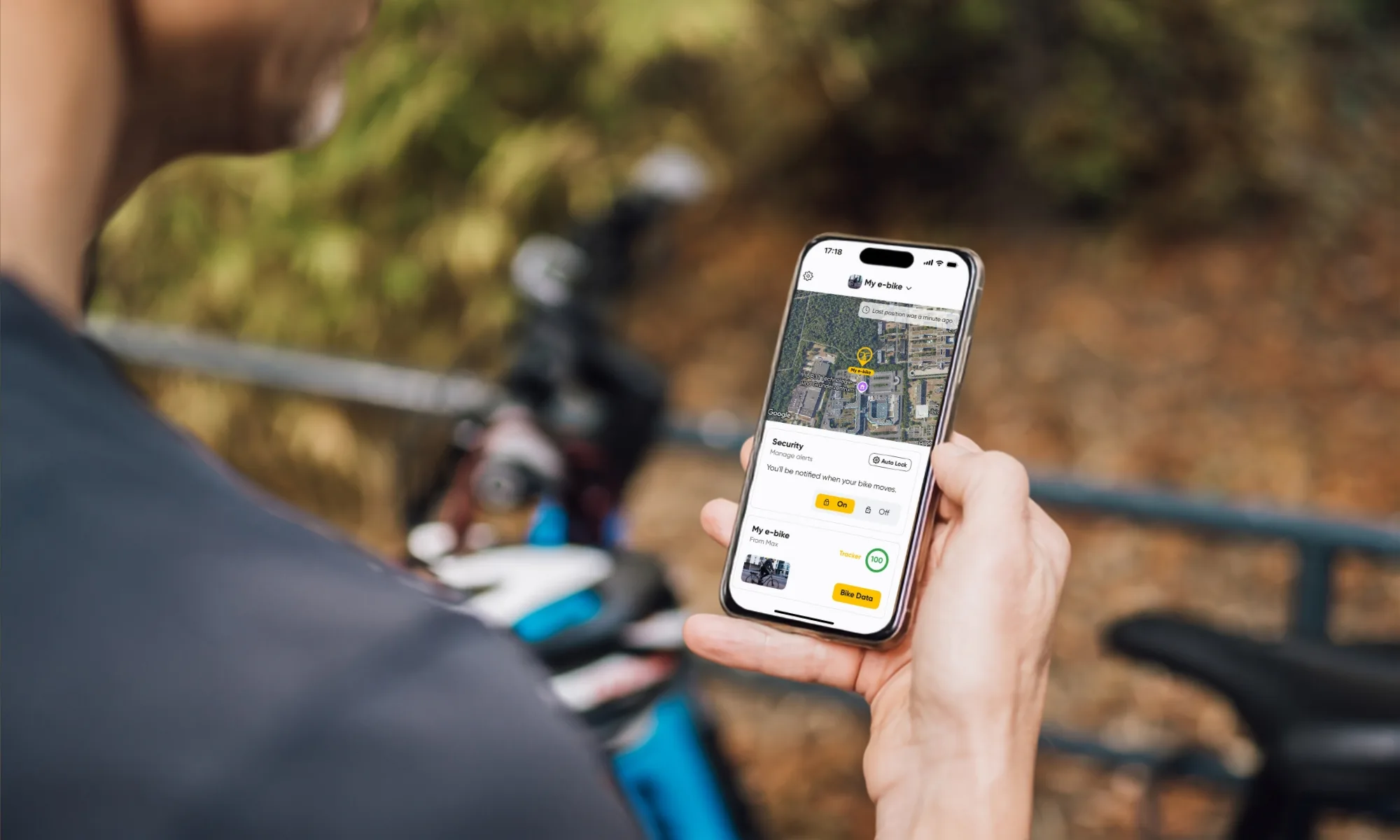
How does an e-bike become a digital product?
A closer look shows just how much digitalisation can add to a connected bike. Petters explains:
- Detect and prevent theft
Connected technology can help identify bicycle theft quickly and support successful recovery through the IoT Venture Recovery Service. - Make usage data available
How is the bike being used? What distances are being covered? Anonymised usage data can provide valuable insights for the development of future models and the continuous improvement of services. Increasingly important is the ability to identify unusual usage patterns, such as tuning. - Make service more predictive
Data can help identify maintenance requirements earlier and prevent major damage. For leased and fleet bikes, direct connectivity provides ongoing visibility of available budgets, maintenance requirements and the condition of the bike. - Extend the customer relationship
A cargo bike can easily remain in use for ten years. Without a digital connection, however, the relationship between manufacturer and customer often ends at the point of sale. Registration and connected services give brands the opportunity to stay in contact with customers, providing updates, service information and information about new accessories. - Create reliable residual-value forecasts
Data from a connected bike can document its condition throughout its lifecycle, including mileage, charging cycles and maintenance history. This creates the basis for a more reliable residual-value forecast. The second-hand e-bike market is growing rapidly, while used bikes have traditionally been difficult to assess accurately. - Connect dealers and manufacturers
Digital information can link service, dealer communication and customer support. The customer can always find the right dealer, whether at home or while travelling.
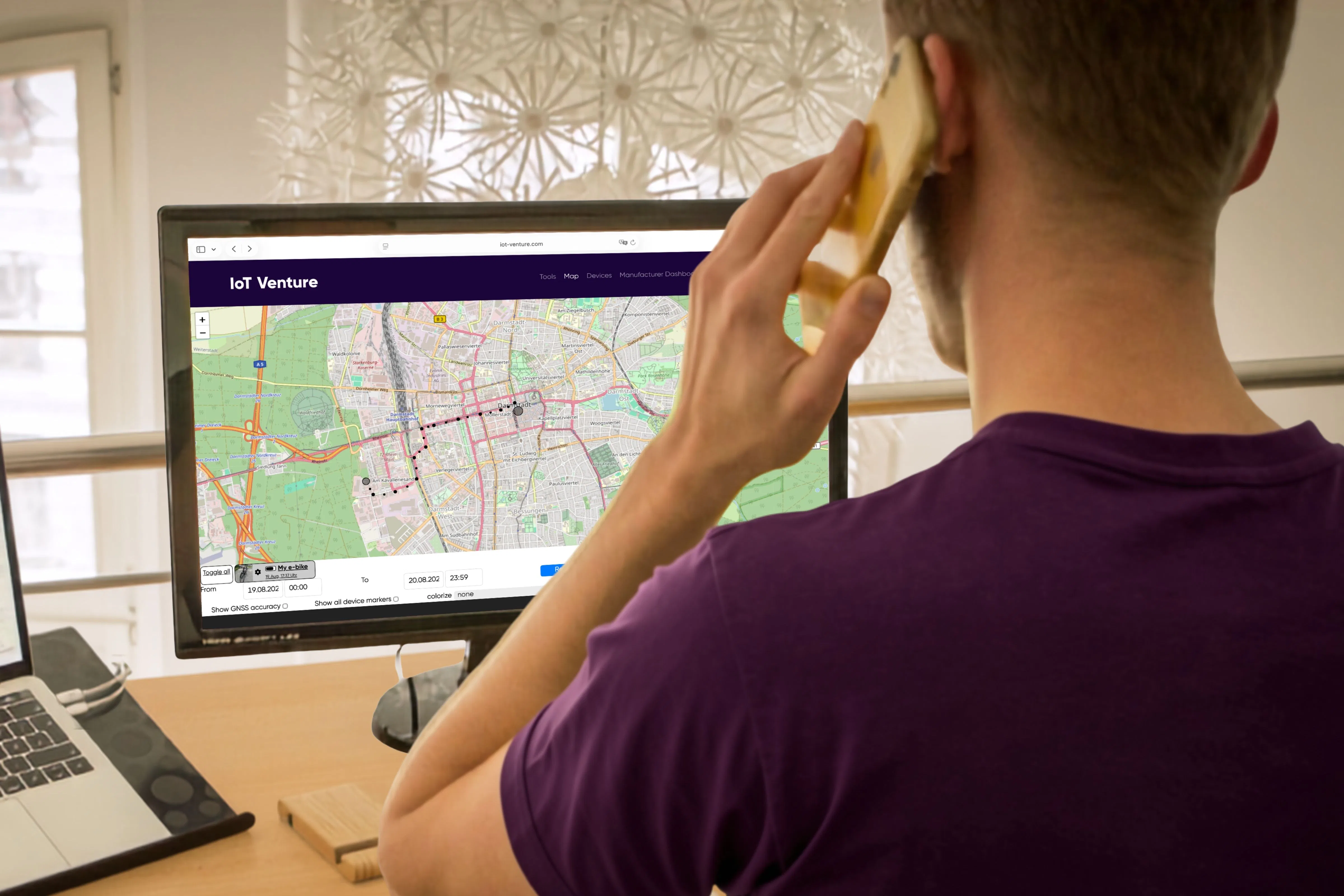
Digital product strategy
According to Petters, this is precisely where many companies reach their pain point, and where the IoT Venture team can provide support. “A product manager cannot simply add digitalisation to everything else they are responsible for,” he says. “The go-ahead for an overarching digital strategy has to come from management. The product manager can then implement it for specific models and products.” A critical shift of perspective for success.
Depending on the starting point and scope, a complete connected-bike strategy can today be implemented within approximately three to six months.
Connected checklist
IoT Venture has developed a simple checklist for getting started. According to the company, these are 10 questions every product manager should answer:
- Integration: Is there a defined installation location for the hardware?
- Drive system: Which motor and motor partners are we working with?
- Data: Can relevant CAN data be accessed, such as state of charge or operating data?
- App: Own branded app or white-label solution?
- Data integration: Which bike data will be made available and documented?
- Dealers: How will dealers be integrated and made digitally discoverable?
- Insurance: Should theft, breakdown and mobility protection be integrated or offered as optional services?
- Third-party connectivity: Is the platform open to additional hardware, such as smart locks?
- Service: Which digital services should be available after the purchase?
- Second-hand market: Does the system support residual-value assessment and certification of used bikes?
Time for a personal exchange in Taichung
There will be an opportunity for personal discussions at Taichung Bike Week 2026. The IoT Venture team will be on site to demonstrate how connected-bike technology can be taken further, including new hardware and smart anti-theft solutions. IoT Venture works engine agnostic with all key systems, like Bosch, Shimano, Bafang, Amanda and Gobao.
Important questions
According to IoT Venture, bike brands should ask themselves: How do we want to stay connected to the customer, and to the bike after the sale, and how do we continue to support both? For the product manager, this is a question of implementation. For management, it is a strategic decision.
This article is sponsored by IoT Venture.


