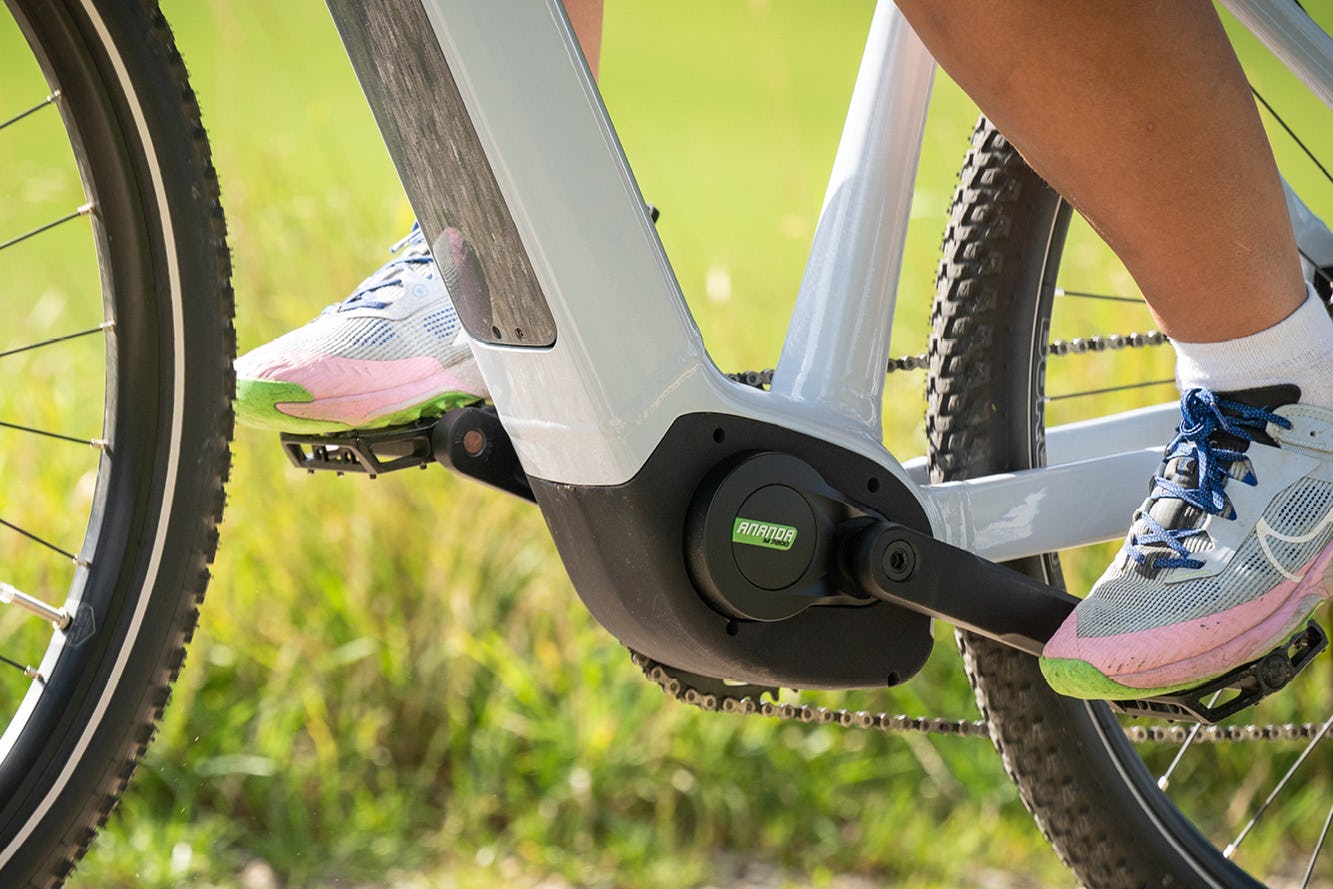
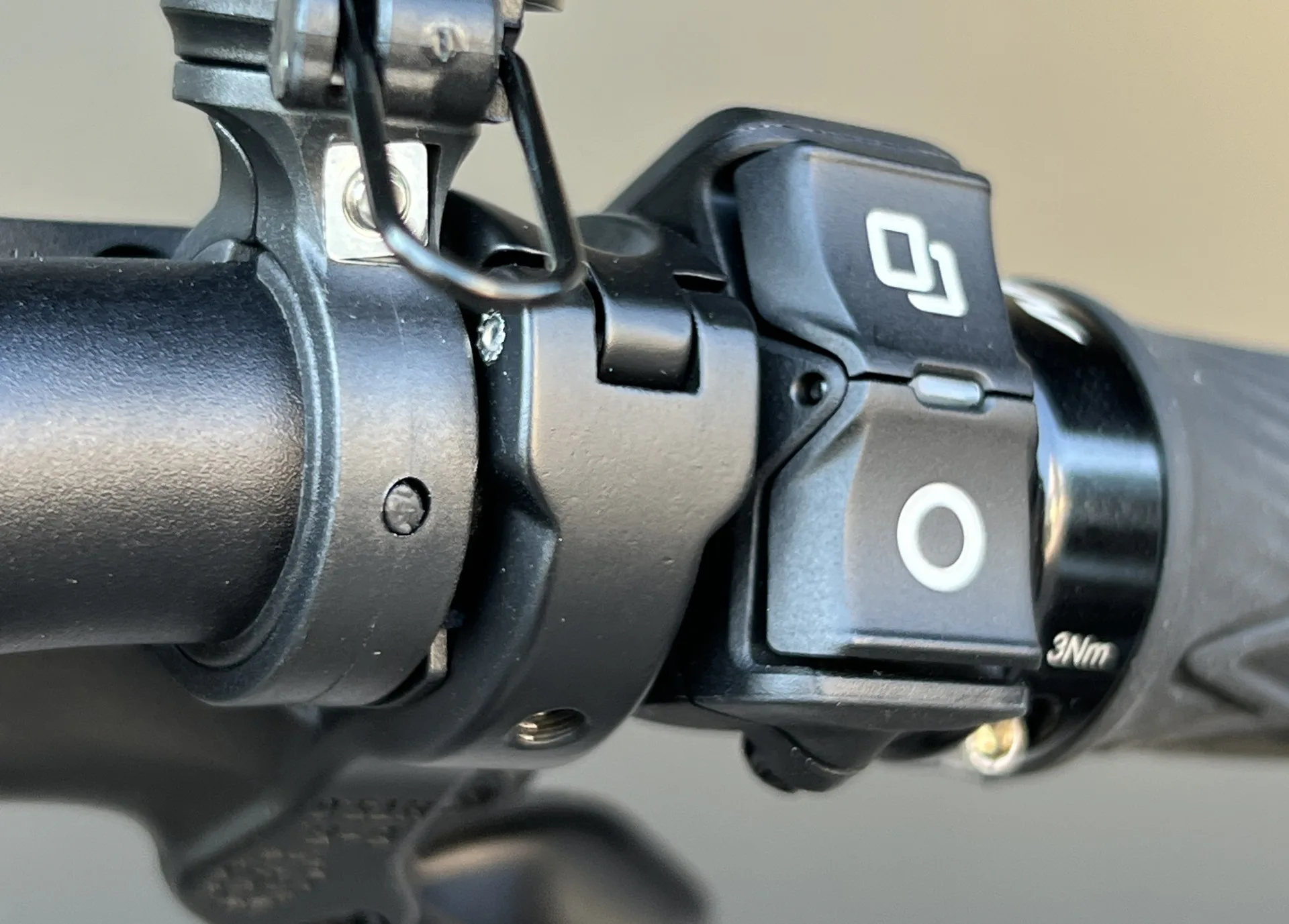
The answer lies in the electronics: shifting is controlled via Amflow's own remote rocker switch. What may initially appear to be a small detail is in fact an example of a much broader development within Tektro and TRP. Over several decades, the company has evolved from a manufacturer of hydraulic brake systems into a development partner for electronic and intelligent bicycle components.
40 years of Tektro, 20 years of TRP
2026 marks a special year for the Tektro/TRP Group. Tektro is celebrating 40 years in business, while TRP celebrates 20 years. For decades, Tektro has primarily been associated with robust and reliable hydraulic brake systems produced in high volumes. TRP, by contrast, was positioned as a high-end racing brand, proving its performance on the World Cup downhill circuit.
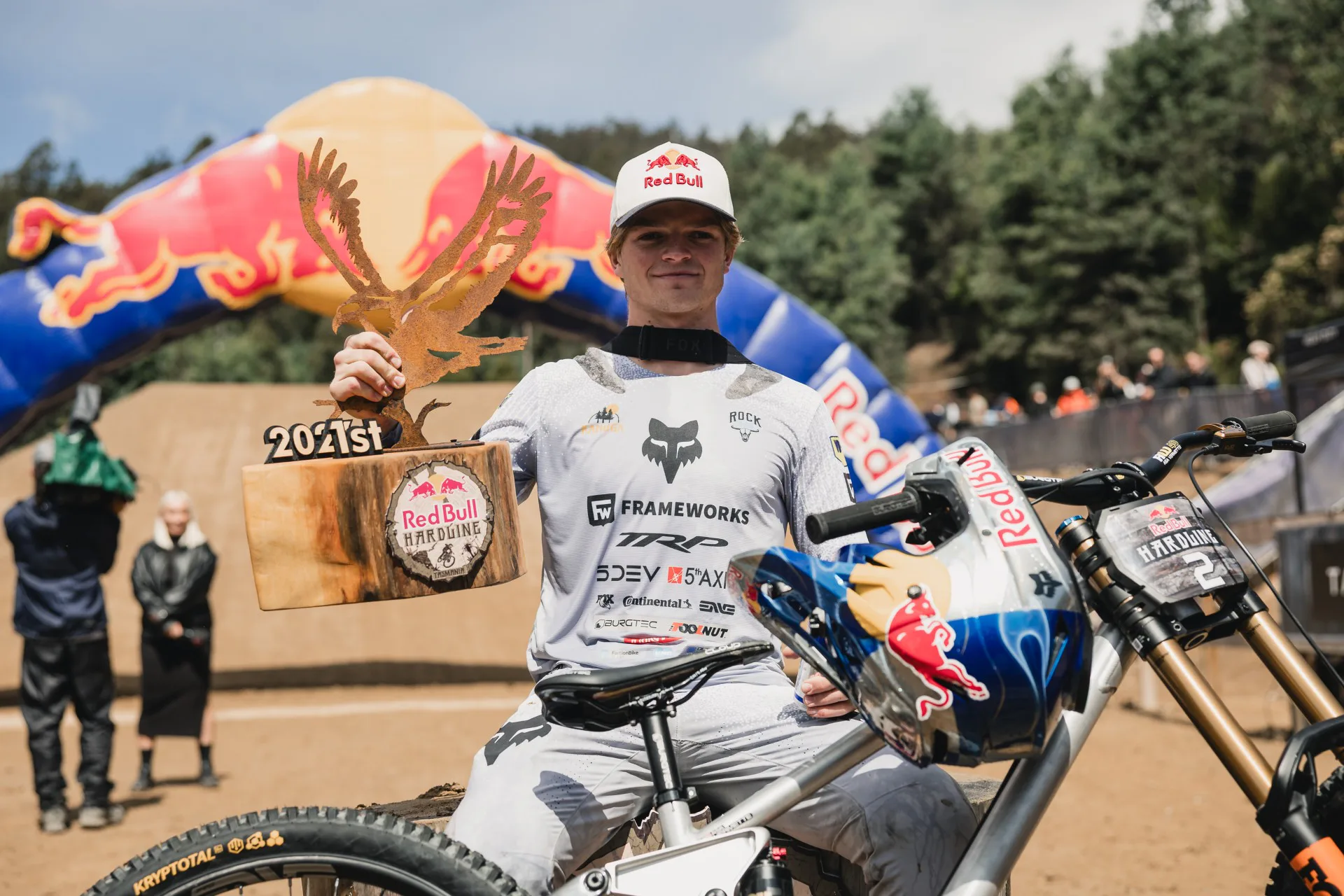
Working with world-class riders such as Aaron Gwin, the brand established itself in international racing, supporting teams including Scott, Commencal and, more recently, Frameworks Racing. The direction was clear: move on from being a low- and mid-level hydraulic brake manufacturer, understand what developers and users of high-end bikes really require, and produce exactly that.
The customer as a development partner
A key part of this evolution can be summed up in one term: customer focus. Even in the days of rim brakes, bicycle manufacturers approached Tektro's R&D team with specific requirements for time-trial frames used by sponsored ProTour teams, in order to develop individual solutions.
When 29-inch wheels entered the Downhill World Cup, demands on braking performance increased significantly. TRP responded early with a 223 mm rotor of 2.3 mm thickness, providing the additional braking performance and thermal capacity required as 200 mm rotors reached their limits.
From racing to the e-bike
What initially emerged from racing subsequently became a safety advantage for a much broader group: e-bike riders. As e-MTBs became heavier and more powerful, higher braking performance and greater thermal reserves became increasingly important. TRP translated these requirements into braking solutions for the rapidly growing e-bike market.
Downhill star Aaron Gwin repeatedly and persistently pushed the TRP R&D team to develop a dedicated downhill drivetrain. That dialogue eventually laid the foundation for TRP's first 12-speed MTB drivetrain. The direction was set.
From brake manufacturer to drivetrain partner
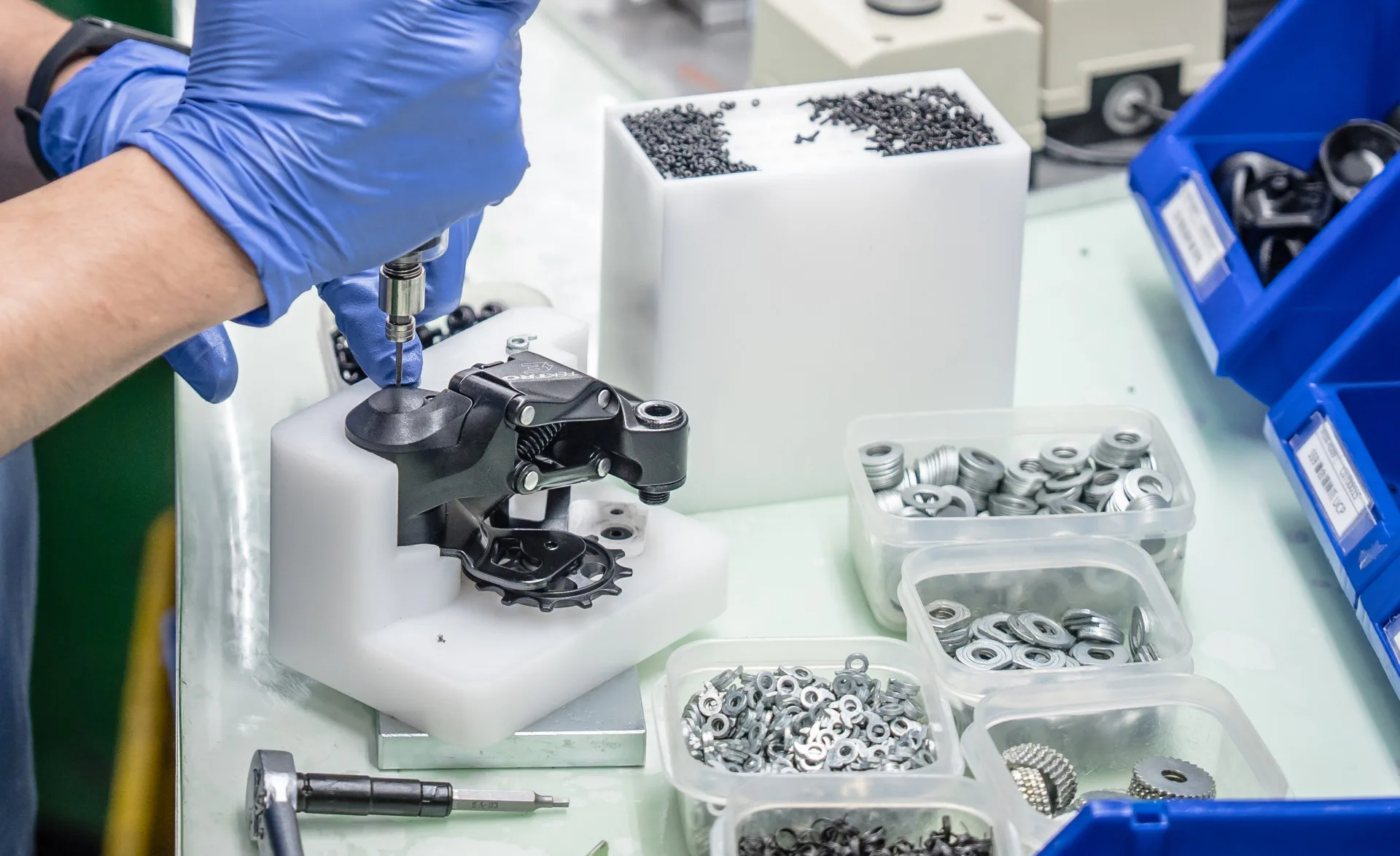
While developing its first electronic gravel groupset in cooperation with Classified, TRP was also receiving requests from e-bike manufacturers for an intelligent electronic shifting system designed specifically around the requirements of e-bikes: TRP E.A.S.I.
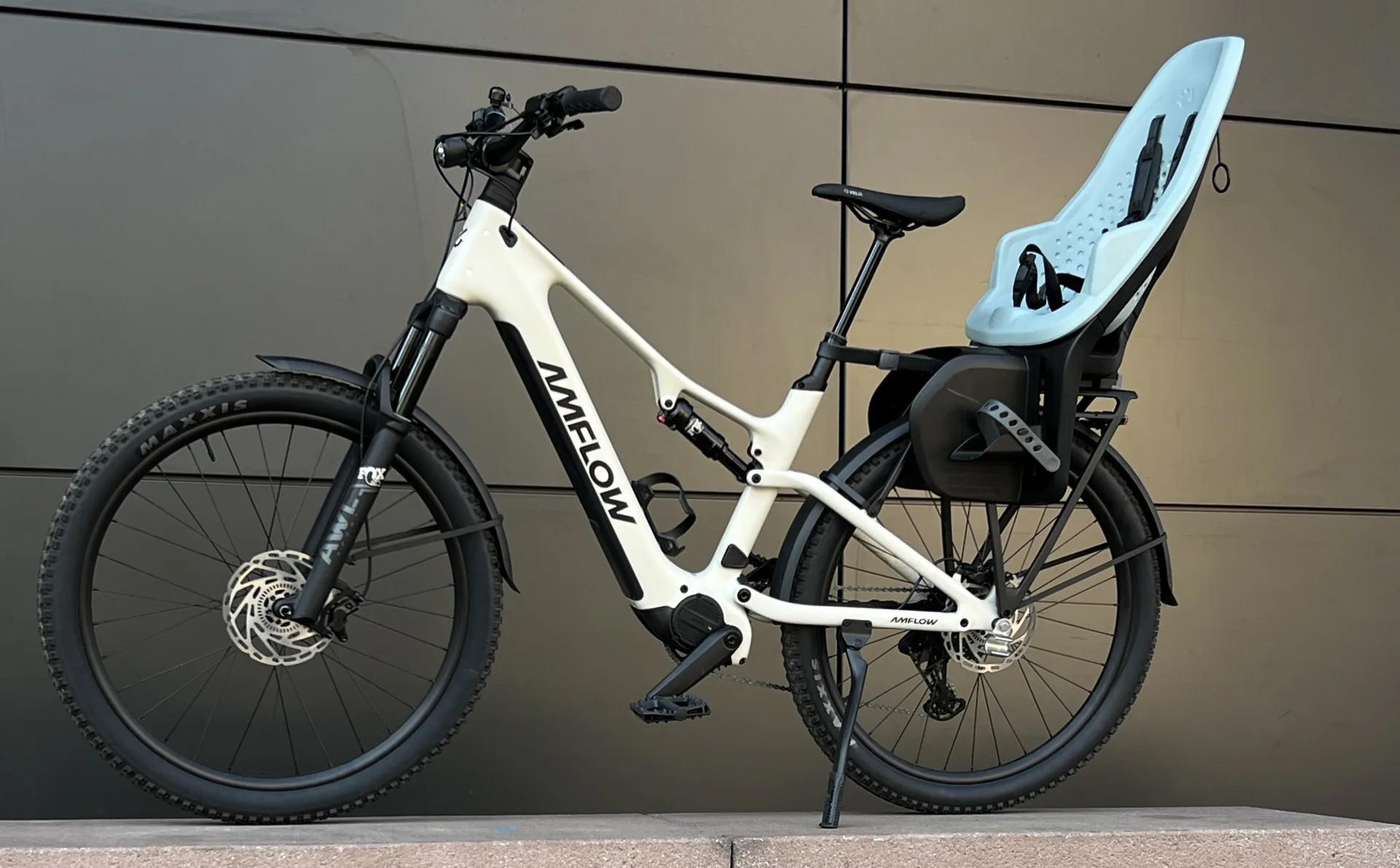
Today, the electronic portfolio covers a wide range of solutions, from Vistar and Hywire to E.A.S.I. for e-bikes. TRP does not develop electronics for their own sake. The systems are designed to solve specific challenges arising from the development of modern bicycles and e-bikes.
E.A.S.I.: protecting components and enhancing safety
TRP E.A.S.I. is an electronic, intelligent shifting system designed to automate gear changes while giving OEMs a high degree of freedom to tailor the shifting behaviour to their individual requirements. For example, when an e-bike rider approaches a traffic light at low speed, the system automatically shifts into an easier gear. This makes pulling away safer and easier, while reducing unnecessary loads on the chain and cassette.
The rider does not need to think constantly about shifting ”
At the other end of the spectrum, E.A.S.I. can automatically shift into a higher gear as speed increases. The rider does not need to think constantly about shifting. The objective is less distraction, greater comfort and smart, efficient use of the drivetrain.
Flexibility for the OEM
Particularly interesting from an OEM perspective is the flexibility of the system. TRP does not simply provide manufacturers with a fixed, preconfigured shifting strategy. Instead, the OEM can work with its chosen drive-system partner to tailor the shifting characteristics to the specific bicycle model. This makes E.A.S.I. suitable for everything from trekking e-bikes to performance-oriented e-MTB concepts.
The electronic architecture also brings practical benefits for OEMs. Conventional shift cables are eliminated, simplifying assembly, and the system does not require a separate battery. Instead, it draws its power directly from the bike's battery system.
No conventional shifter required
E.A.S.I. is available for 10-, 11- and 12-speed applications. The manufacturer also has flexibility when it comes to the user interface. The Amflow TL demonstrates this approach: the TRP drivetrain is operated through the bike's existing rocker switches rather than requiring an additional conventional shifter.
New drive systems such as Avinox are adding further momentum to the e-bike market. For Tektro/TRP, this creates new opportunities and, at the same time, new demands.
Customer requirements as the engine of innovation
The most important lesson from 40 years of Tektro and 20 years of TRP is that innovation does not happen in the R&D department alone. It happens where manufacturers, riders and specialists come together to solve a specific problem. From larger-diameter downhill rotors to electronic shifting on the Amflow TL, one common thread runs through the company's history: listen, understand and develop a customer-centric solution.
Innovation does not happen in the R&D department alone”
As e-bike drive systems, software and electronics continue to evolve, TRP continues to listen to its customers and observe how riders use their bikes, turning those insights into the next generation of integrated, smart solutions.
This article is sponsored by TRP.