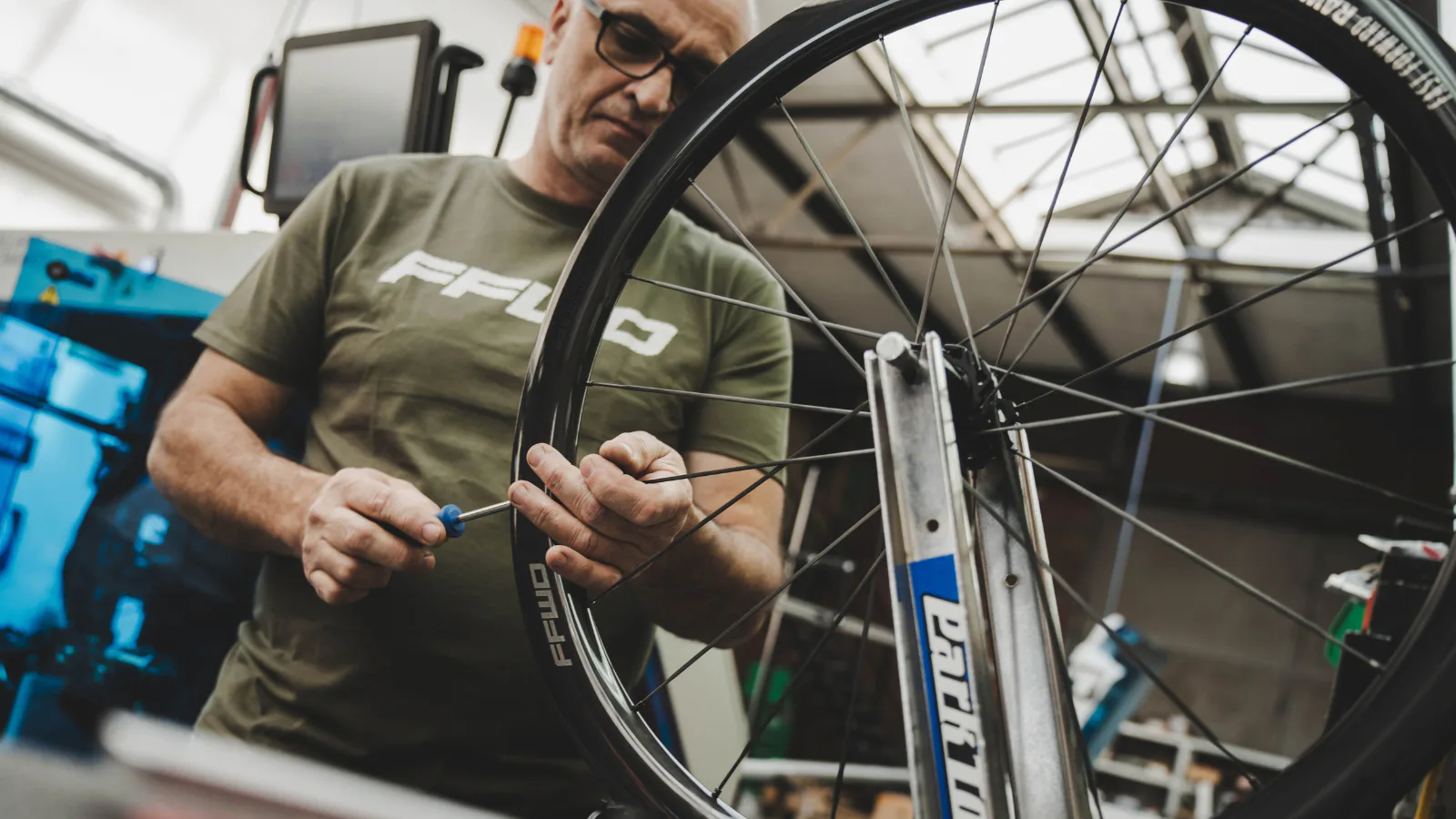
As an underdog challenging the established industry giants, FFWD wanted to do things differently. The company aimed to be quick, flexible and personal. Two decades later, that approachable, down-to-earth ethos remains tightly woven into the company’s DNA.
From track wheels to the world stage
It all started on the track and with triathlon disc wheels, but it was the road segment that quickly propelled FFWD to the next level. The 60mm carbon alloy clincher soon found its way into amateur pelotons across Europe, paving the way for a much bigger stage.
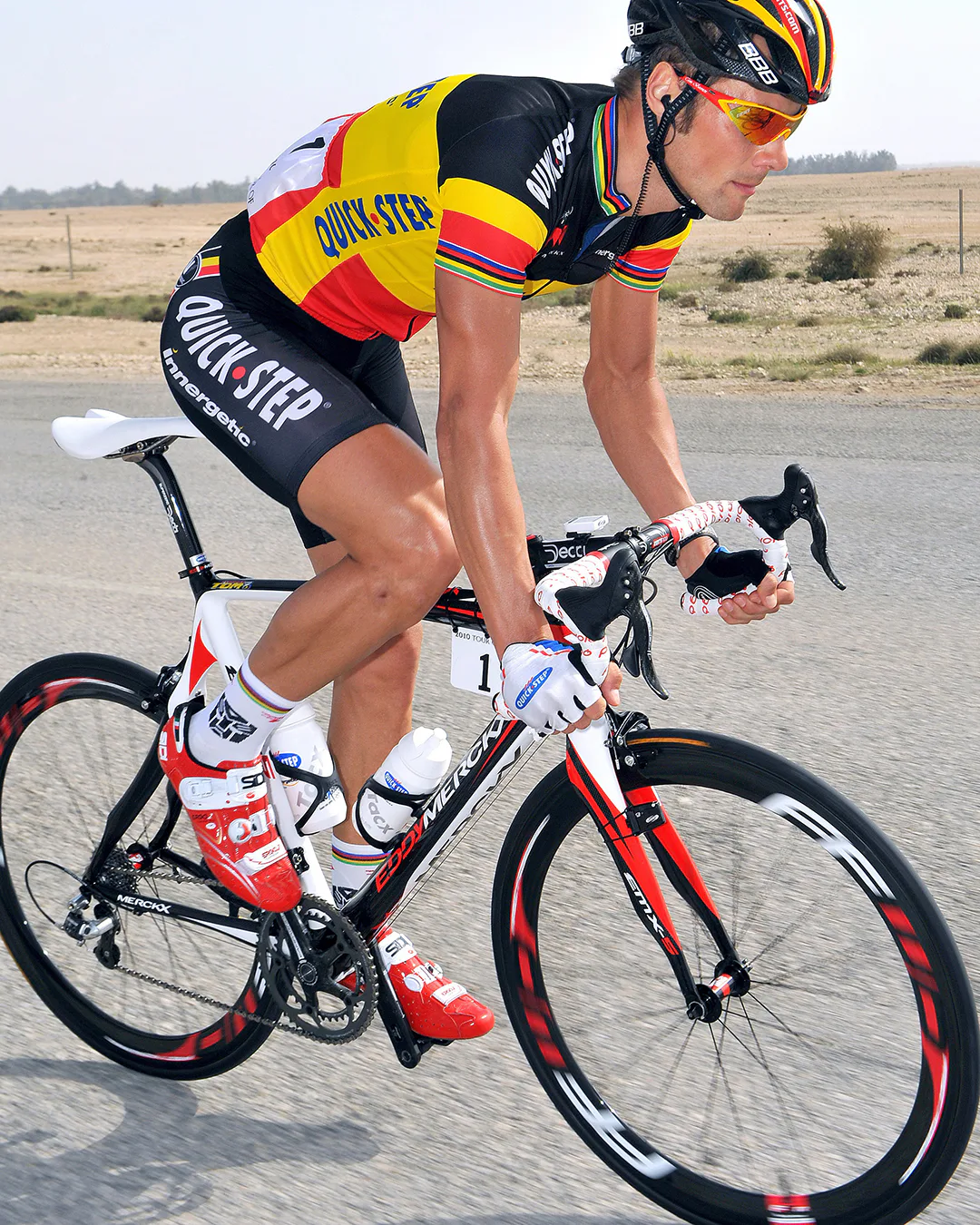
A major step came in 2010 when FFWD began sponsoring Team Quick-Step. With riders such as Tom Boonen and Sylvain Chavanel racing on its wheels, the brand gained international attention. Successes in the Tour de France helped establish FFWD in professional cycling. Working with pro teams also gave the brand valuable feedback, as professional riders push equipment harder than most amateur cyclists.
20 years of knowledge in every wheel
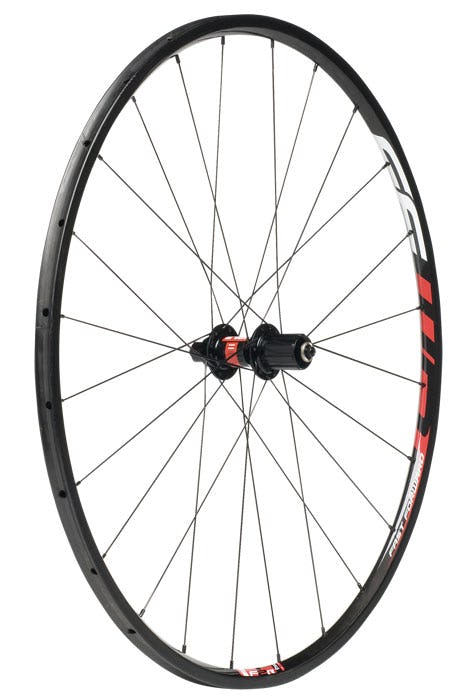
Cycling has changed dramatically over the years, from rim brakes to disc brakes, and from narrower to wider tyres. FFWD has evolved with it, continually developing its wheels while building on what it has learned over two decades.
The company was one of the first wheel brands to bring carbon spokes to the road, while today it combines technologies such as ceramic bearings with its wheelbuilding experience. One thing at its headquarters has never changed, though: every FFWD wheel is still designed and built right in Zwolle.
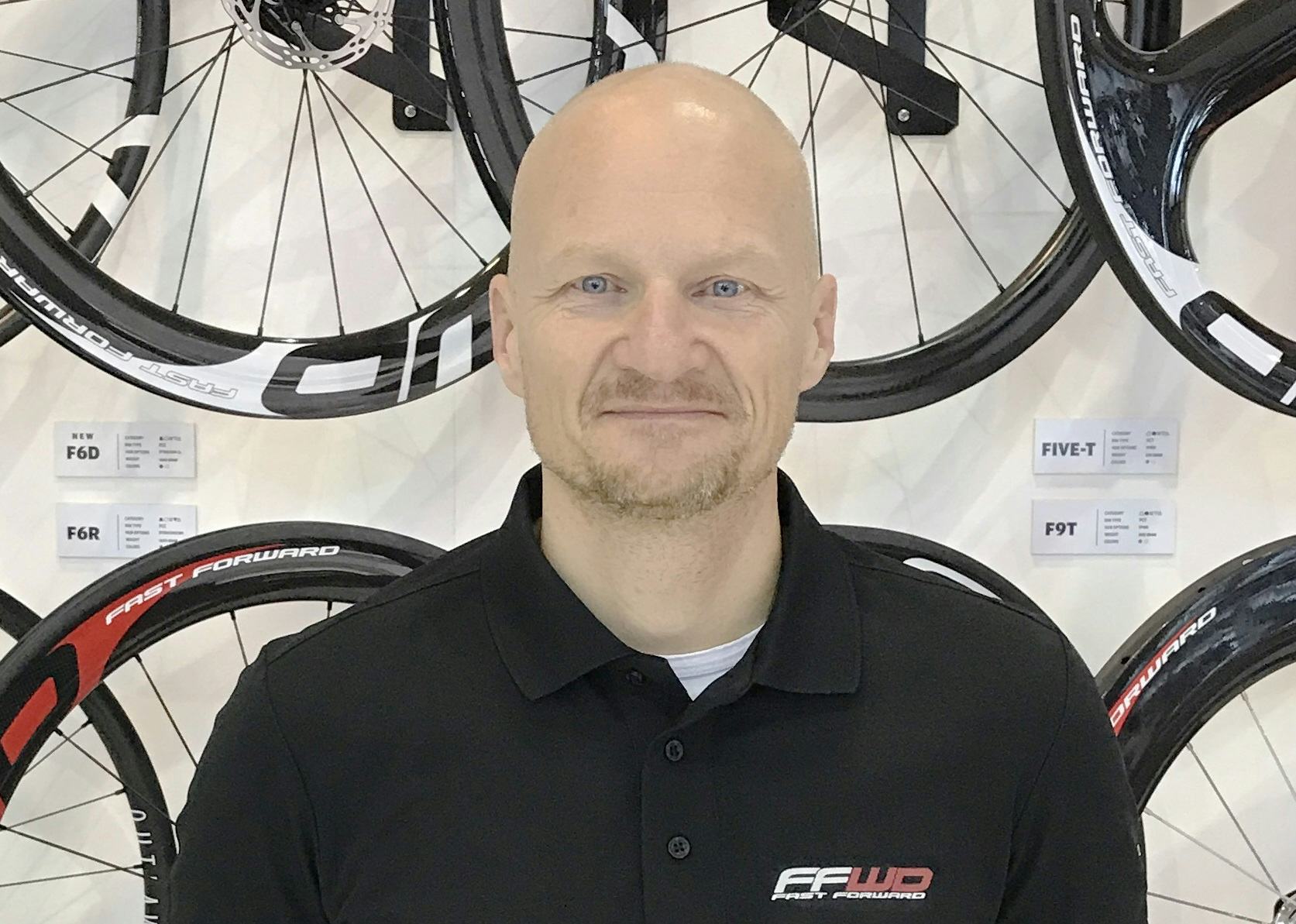
"Our craftsmanship is rooted in each of us," says Rik van Putten, marketing manager at FFWD. "Wheelbuilding is our core business and only focus – it is what we do. Over 20 years we have also collected a wealth of feedback from everyday riders and pros alike, feeding it straight back into how we develop and build."
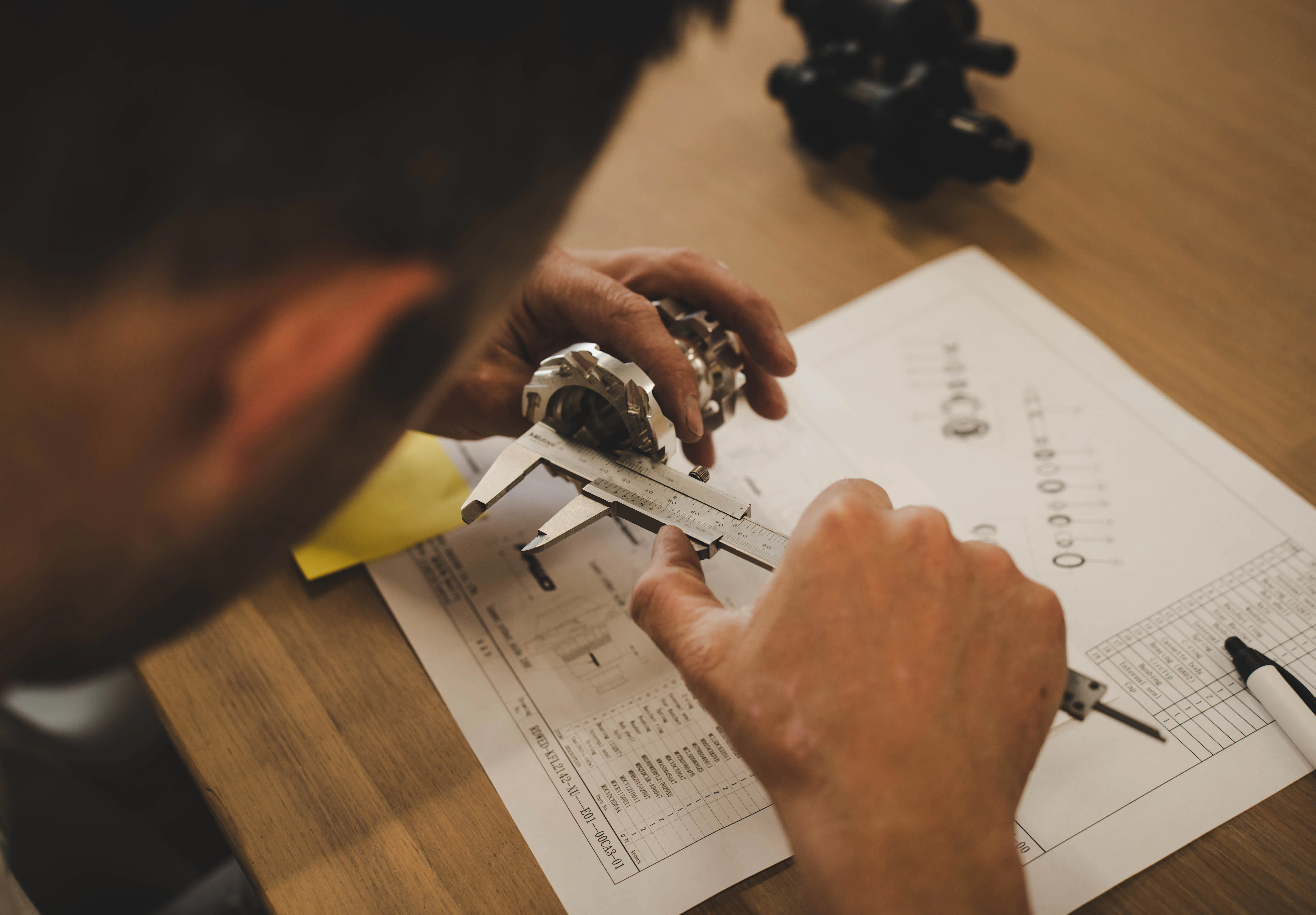
Handbuilt knowledge meets technology
That singular focus has allowed FFWD to combine traditional wheelbuilding skills with modern efficiency. The company introduced machines eight years ago to handle consistent volume and precision, but every wheel is still rigorously checked by hand by builders with decades of experience and more than 100,000 wheels under their belts.
The machines bring consistency and precision, while the final checks remain in experienced human hands. It is a combination that reflects how the brand has developed over the years: embracing new technology without losing the knowledge and care built through thousands of wheels.
Our own experiences of riding and building have taught us that saving a few extra grammes rarely outweighs what you gain in durability and ease of use”
What 20 years of riding has taught FFWD
Twenty years of building wheels has also shaped FFWD's view of performance. It is not simply about achieving the lowest possible weight but about finding the right balance between low weight, durability, reliability and real-world performance, so that riders of all levels can enjoy their wheels.
"Our own experiences of riding and building have taught us that saving a few extra grammes rarely outweighs what you gain in durability and ease of use," explains Van Putten. "Our wheels have proven that at the highest level, and we still see it in the feedback from the pro riders."
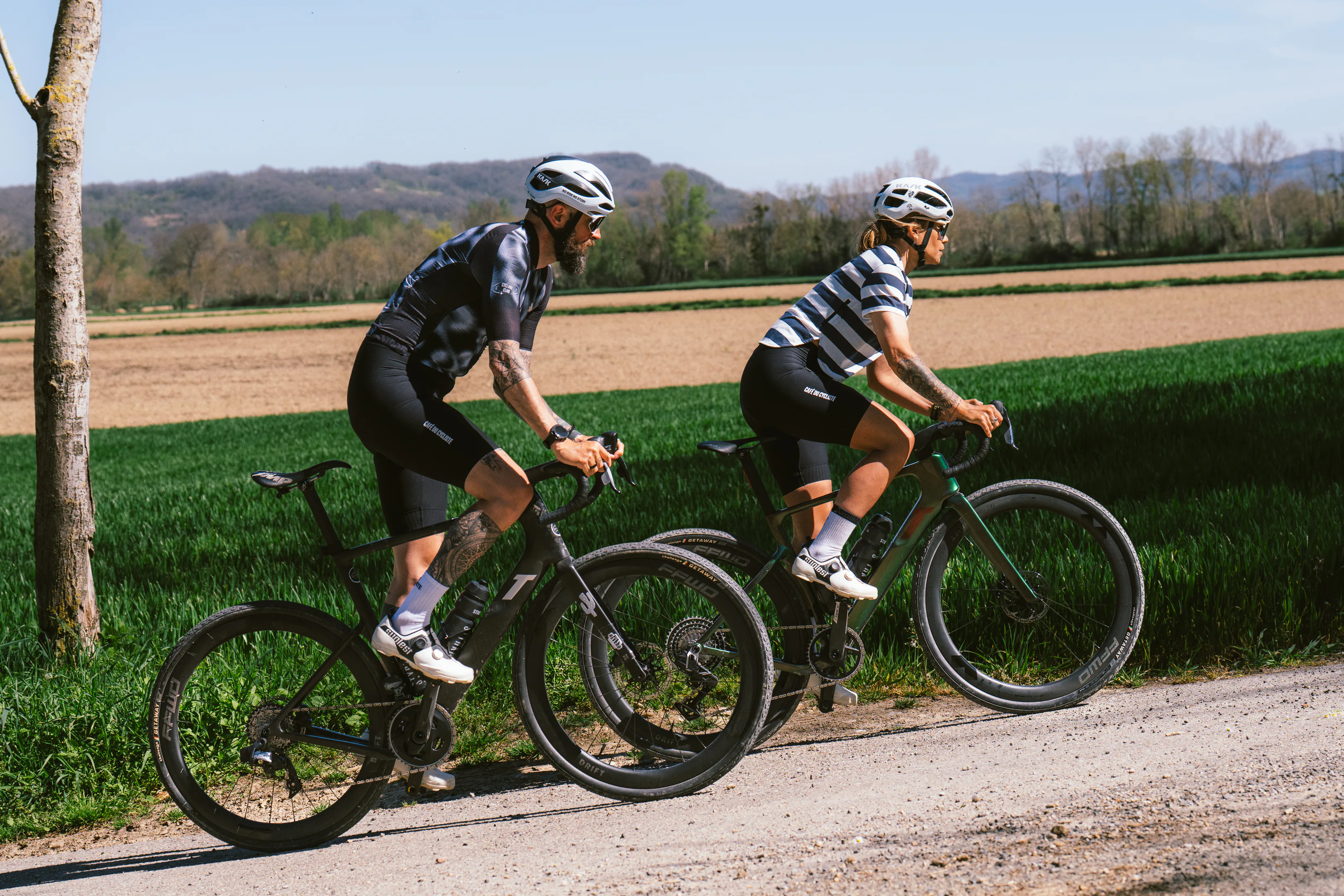
Built around riders and relationships
The knowledge behind FFWD's wheels has never come from the workshop alone. The company has built strong relationships with professional riders, teams, dealers and everyday cyclists. Together, these relationships have grown into TeamFFWD, a community of athletes, dealers and passionate cyclists connected by a love of cycling.
"We want people to recognise our products for their outstanding quality and looks, just as much as we want to be easy to approach for questions or service," Van Putten shares. "With the feeling that you get more than you hoped for. No crazy marketing stunts, just honesty and authenticity from real riders."
After 20 years, FFWD is still doing what it set out to do in that small unit in Zwolle: building wheels, listening to riders and continually looking for ways to make them better. The materials and technology may have changed, but the focus has remained the same: knowledge, precision and craftsmanship built into every wheel.
This article is sponsored by FFWD.