
Jan-Willem van Schaik
Editor in Chief

Editor in Chief

Donkey Republic's latest financing round demonstrates that investors have not lost interest in bicycles and cycling more broadly. Private equity and other investors turned away from the bicycle industry after the troubles at Accell Group, Rad Power, VanMoof, Scott Sports and many others. Donkey Republic proves the opposite. They initially set out to raise DKK 15-30 million (€2-4 million), but due to strong interest, the transaction was over-subscribed and the amount raised was upsized to DKK 75 million (€10 million).
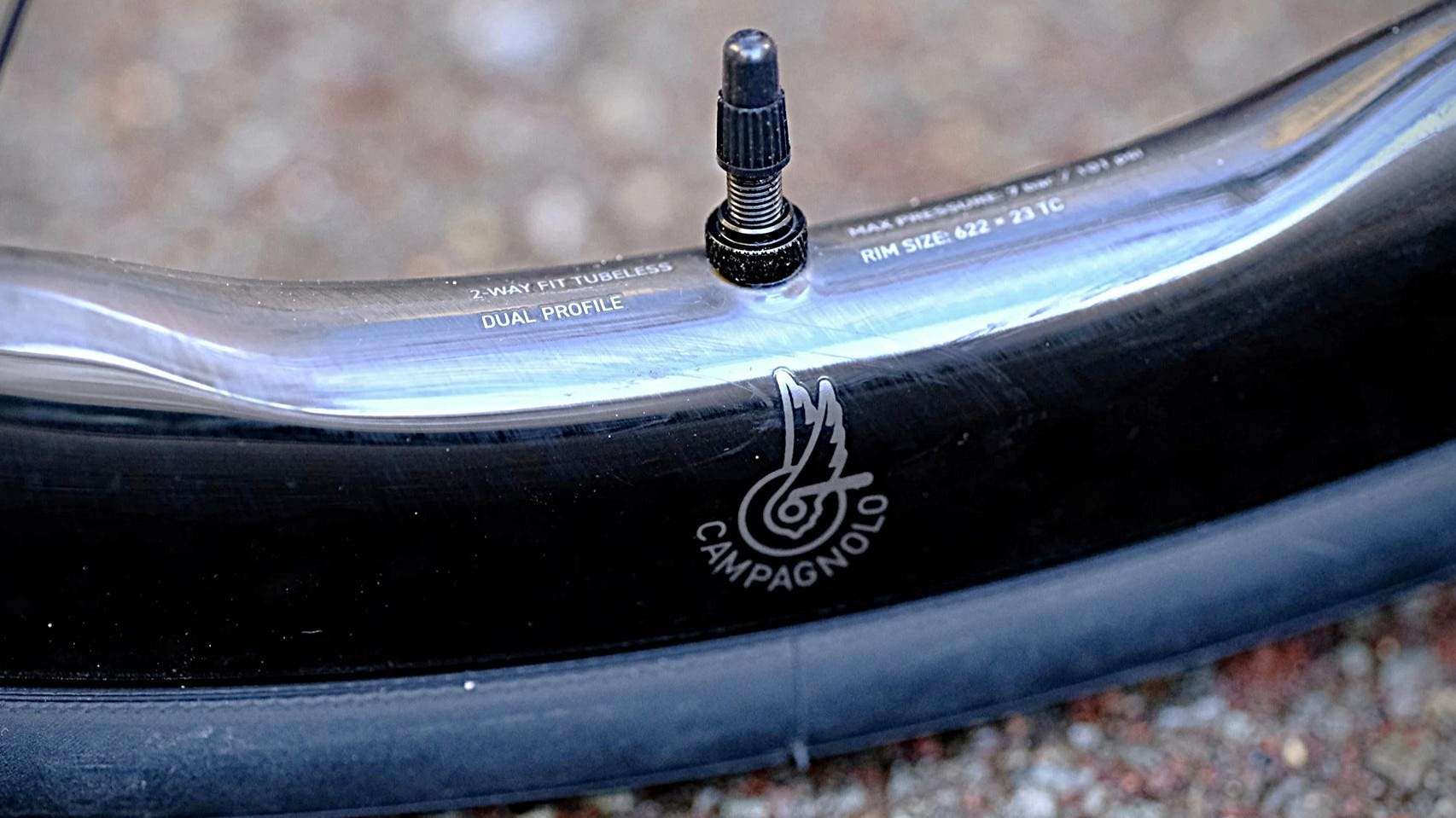
A drastic reorganisation during the current market disruption was unavoidable for Campagnolo. The Italian component manufacturer felt the urge to issue a statement this week, following months of wild speculation, including the suggestion of a large-scale lay-off. "Currently, the company is being reorganised, after the financial structure was defined together with all relevant stakeholders," writes Campagnolo. "The Campagnolo family is directly involved in this process and continues to invest an undisclosed amount in the project."
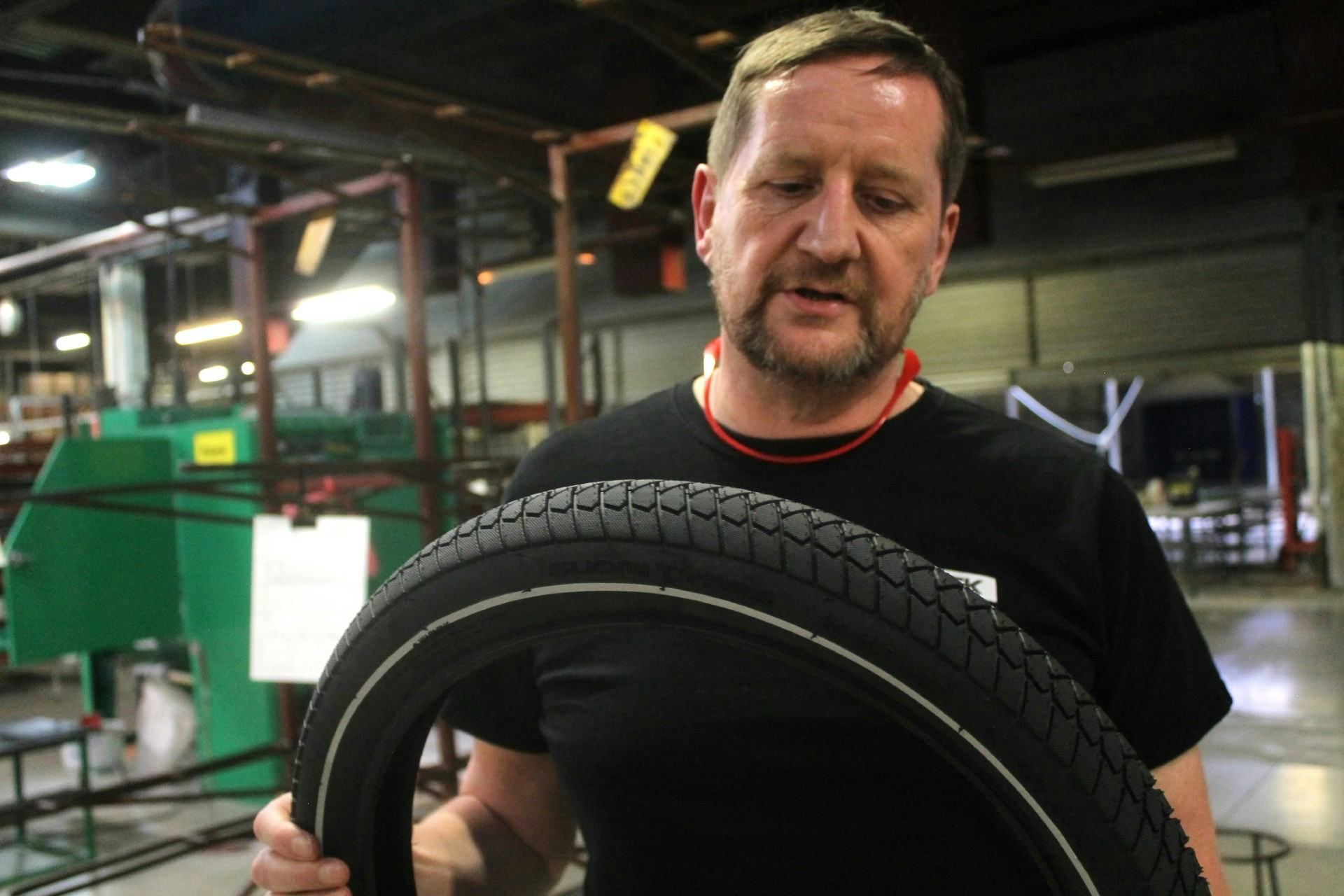
Changing market conditions and new European Union regulations have opened the door for tyre specialist Dmack to repurpose the former Nokian tyre facility in Finland. Bicycle tyre production had largely shifted from Europe to the Far East in recent decades. The cost of labour, environmental regulations and proximity to rubber sources made it more efficient to operate these factories in Asia. According to Dmack owner Dick Cormack, times have changed. "I have made it my personal mission to put this factory back on the map and build up production in Europe with high-quality products. That's our mission over the next five years."
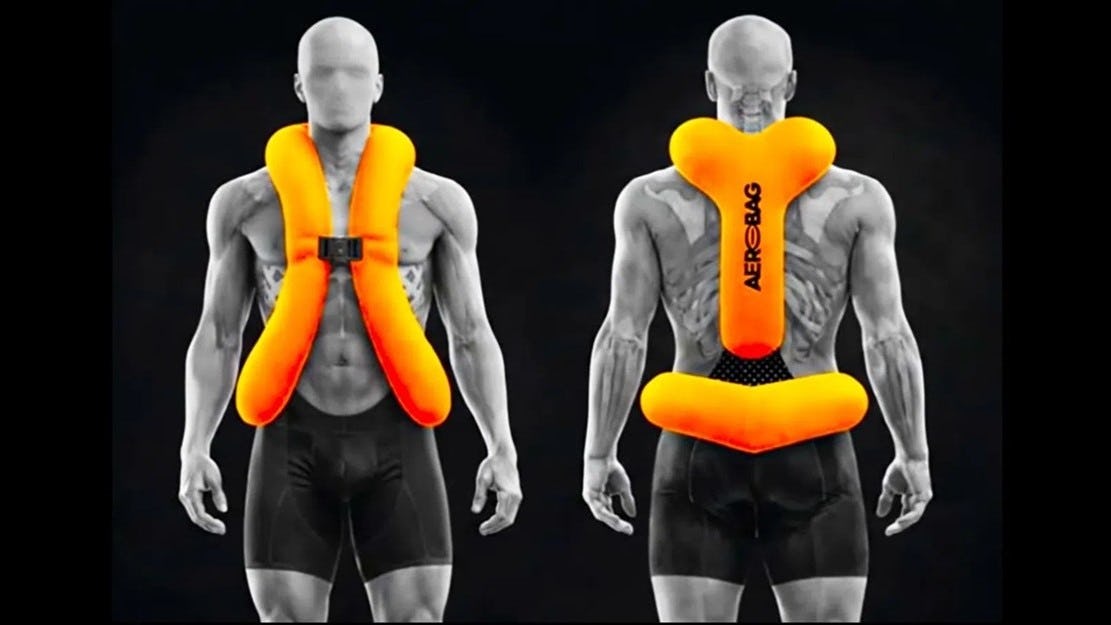
The micro-mobility investment fund Fundracer announced an undisclosed investment in Belgian startup Aerobag, which is pioneering ultra-lightweight, compact airbag technology designed specifically for cyclists. Aerobag set out with a clear and ambitious mission: to adapt proven airbag technology from the automotive industry into a form factor that works for cycling.

The topic of cooperation between Eurobike and the German industry bodies ZIV and Zukunft Fahrrad is back on the table again. At the fringe of the European Cycling Industries (ECI) launch reception in Brussels this week, the new CEO of Fairnamic, ZIV, and Zukunft Fahrrad discussed a relaunch of Eurobike in 2027 and the potential cooperation with the German associations and the ECI, as well as the role of Eurobike in 2026. This was reported by Eurobike.

Japanese component manufacturer, Shimano, has decided to shift its tradeshow focus and withdraw from Eurobike starting in 2026. "This decision reflects our focus on creating direct, meaningful engagement with our partners, customers, and riders," the company writes in a statement.

E-bikes powered exclusively by a generator are considered technically innovative, but until now, they have been difficult to classify legally. This is going to change with the publication of the German standard DIN 31067. Though limited to Germany only, it may apply elsewhere in the EU if adopted or referenced.

Fresh rumours are circulating that Accell Group has entered its second debt restructuring in little more than a year, and they're creating quite a stir in the market. Accell Group insiders reportedly told the Financial Times that new restructuring talks are being prepared, as revenues are lower than expected. Analysts recently wrote that the group's sales are expected to drop 15% in 2025, with a further 9% decline expected this year.

Schwalbe is modernising and expanding its warehouse capacities in Vietnam in close cooperation with its long-term logistics partner Kuehne+Nagel. The project is part of their long-term strategy to supply customers even faster and more reliably in the future.
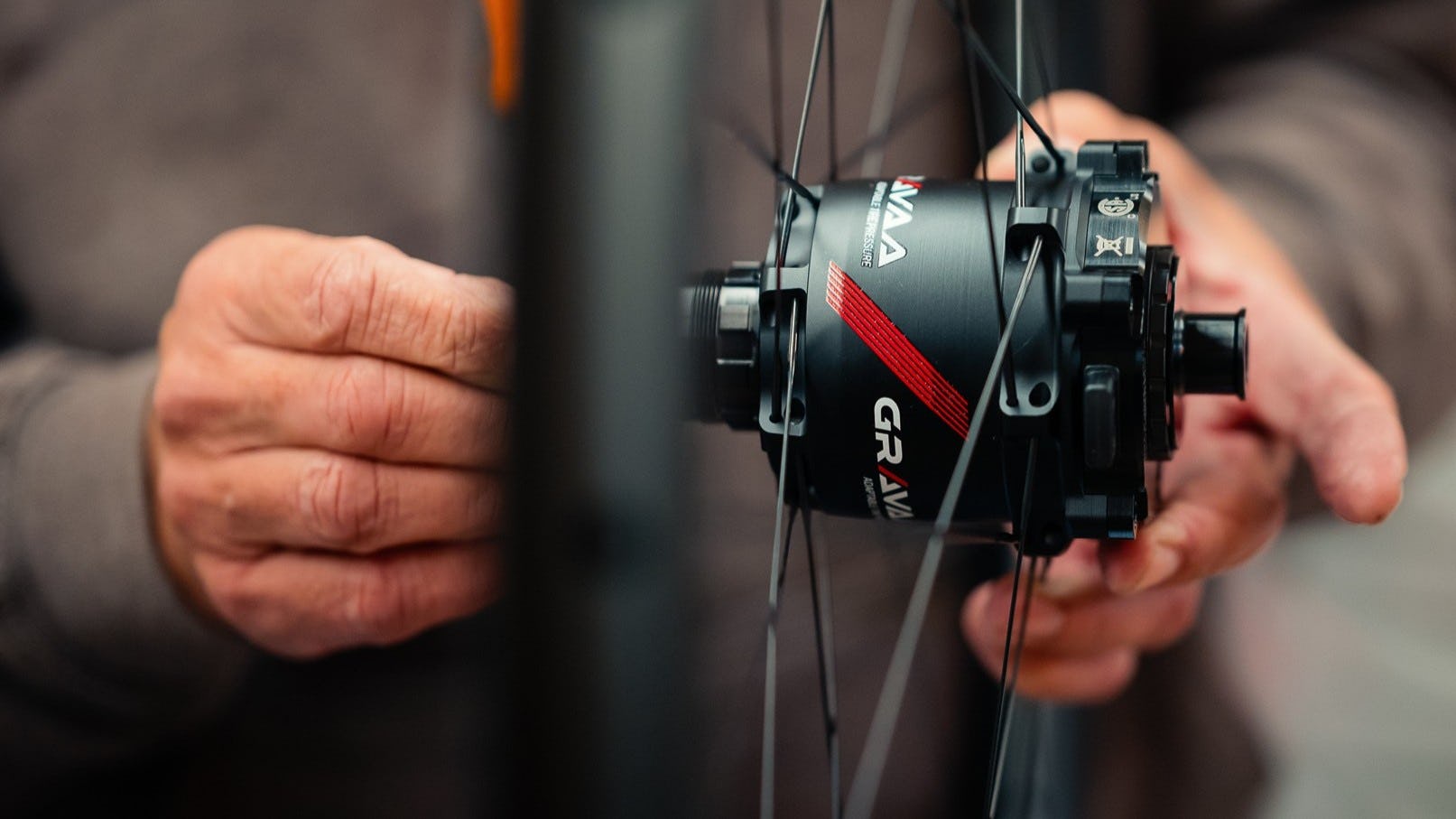
The Dutch manufacturer Gravaa, which developed a unique tyre pressure system based on a pump integrated in the hub, has gone bankrupt. They became known as pioneers of a technically impressive system that allowed cyclists to adjust tyre pressure from the handlebars while riding. "Without fresh funding, there was unfortunately no other viable option," wrote Gravaa, in a statement.
