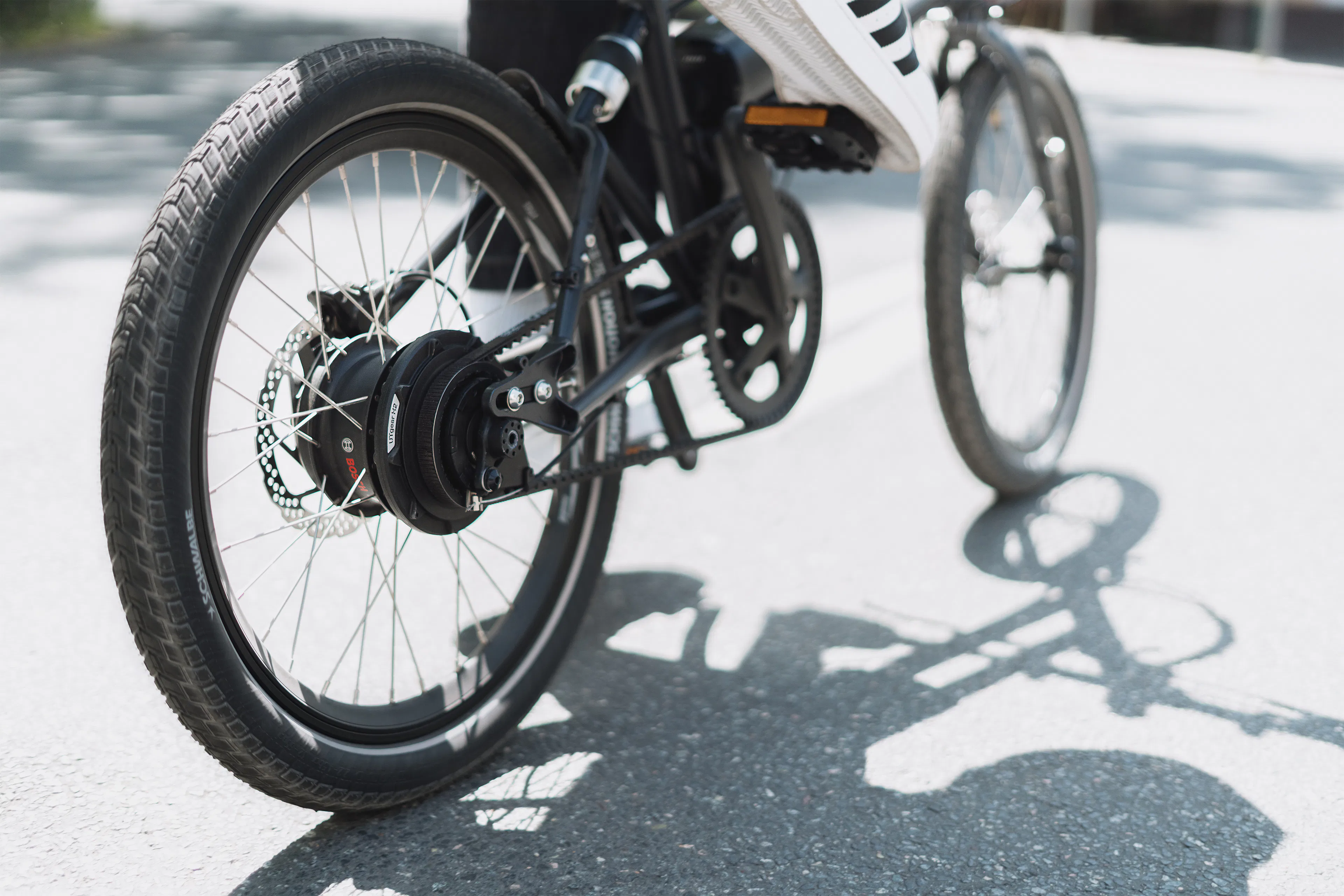
A belt drive promises simplicity. But behind that apparent simplicity is a system that still requires the right components, tools and know-how, especially when a bike has to be assembled on the production line or repaired in the workshop. This is where UTgear has built its business.
Experience in technology
“For more than ten years, we have been working with bicycle brands and dealers on belt-drive systems,” explains Elmar Keineke, CMO of Universal Transmissions. “Over the years, our engineers have developed practical solutions for the problems mechanics encounter every day.”
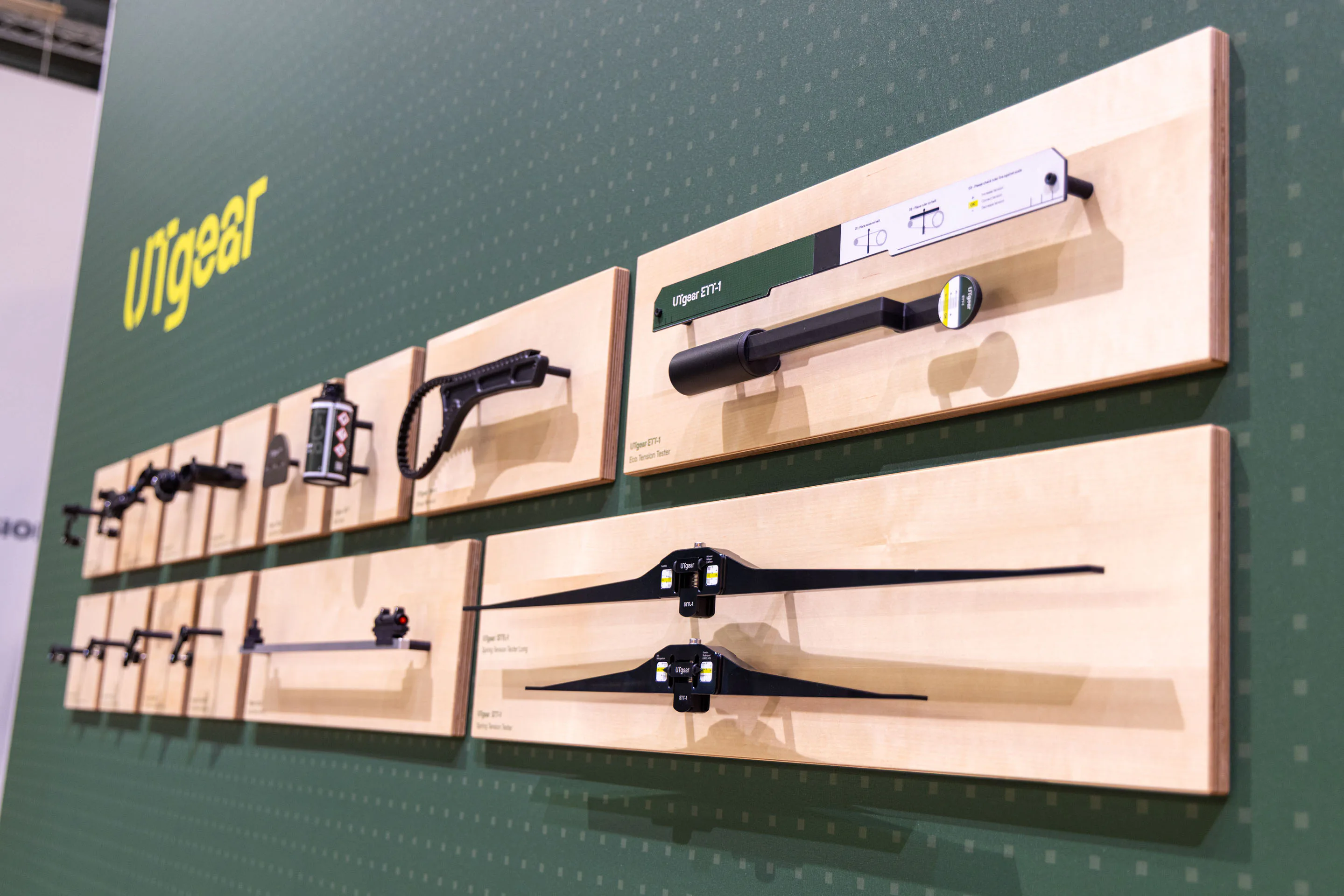
Today, the UTgear portfolio covers more than 20 specialist products for the professional assembly, adjustment, maintenance and repair of belt-drive systems. These include belt tensioning solutions as well as dedicated workshop tools. The philosophy is deliberately straightforward: make belt-drive technology simple for everyone involved, from the OEM engineer to the mechanic and ultimately the rider.
Our engineers have developed practical solutions for the problems mechanics encounter every day”
Next step: From tools to simple drivetrain
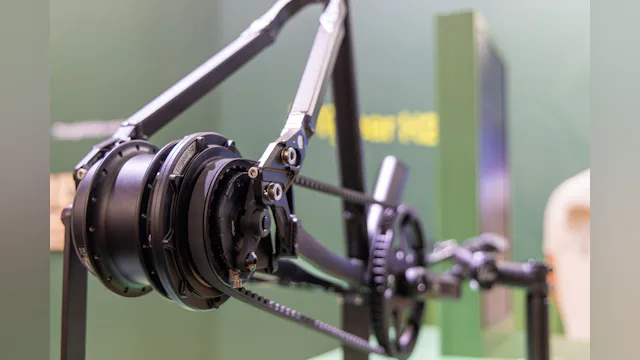
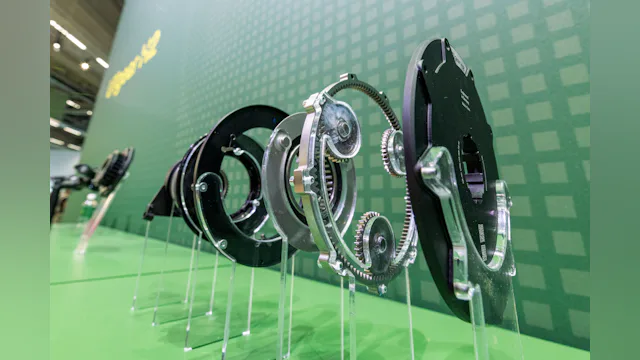
The new UTgear H2 takes that philosophy a step further. Presented for the first time at Eurobike, the mechanical two-speed system is designed to turn a Bosch rear-motor e-bike into a low-maintenance, two-speed belt-drive bike.
“The idea started when Bosch announced a new rear-motor platform. Initially, rear-motor bikes were primarily being developed around conventional chain and derailleur systems. For Universal Transmissions' engineers, this raised the question: how could the platform be combined with a belt drive, keeping the overall concept as simple as possible,” says Keineke. The answer became the H2.
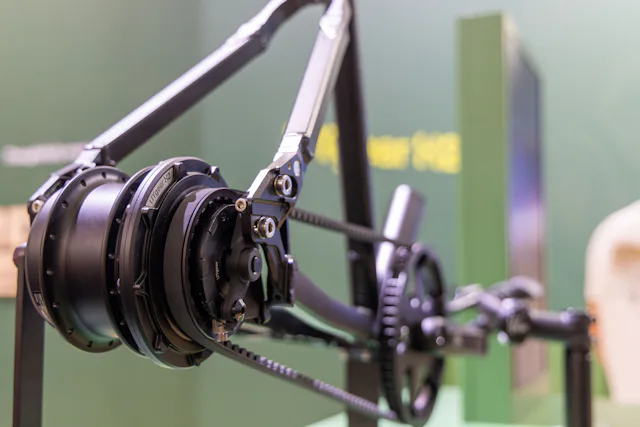
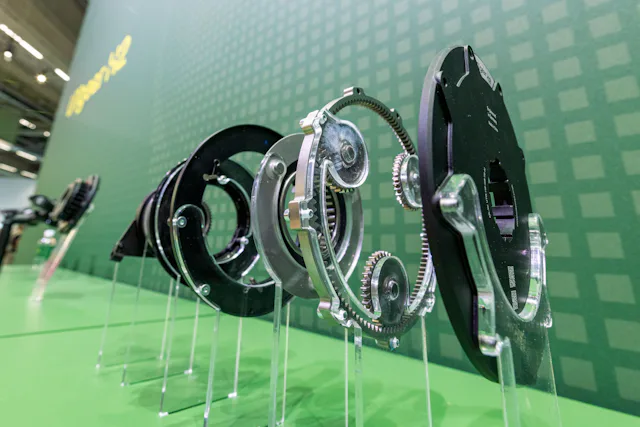
The first production bikes are now reaching the market, with Kalkhoff, Kreidler, Vello, and Tour de Suisse among the selected launch partners. UTgear chose a limited number of initial OEM customers to start with, despite considerably higher interest. “We wanted to make sure we could manage the start-up properly and scale the product reliably,” Keineke explains.
Even belt-drive bikes need service
The mechanical approach is equally important for the aftermarket. H2 uses mechanical shifting and does not require electronic diagnostics or proprietary service equipment. A trained bicycle mechanic can carry out repairs in the workshop using one of the three UTgear service kits.
For a dealer, this translates directly into less downtime and more work, that can be kept in the shop. Instead of sending a bike system away for repair, the mechanic can diagnose the problem, replace the relevant component and return the bike much quicker to the customer.
One example is the UTgear Strapwrench, a dedicated belt-drive tool for removing belt sprockets. A conventional cassette tool or chain whip is not suitable for this job. The Strapwrench was developed specifically around the way a mechanic works and can be operated with one hand. “Sometimes the best solutions come from simply looking at a problem from the mechanic's perspective,” Keineke adds.
Preparing for the next generation
UTgear sees the H2 as part of a broader development rather than an isolated product. As belt drives increasingly become part of low-maintenance drivetrain concepts, including eCVT systems, OEM product managers face a growing need for support. How is the belt tensioned during assembly? Which tools will the workshop need? How is the belt system service after a rear-wheel or drivetrain damage? And which spare parts will the mechanic need?
This is where UTgear will position itself: as a specialist partner for belt-drive applications, supporting OEMs with components and tools while helping dealers with service equipment, spare parts, training and technical knowledge. The experience behind that ambition has been built over years of working with belt-drive bikes in the DACH market.
Enough technology for everyday riding
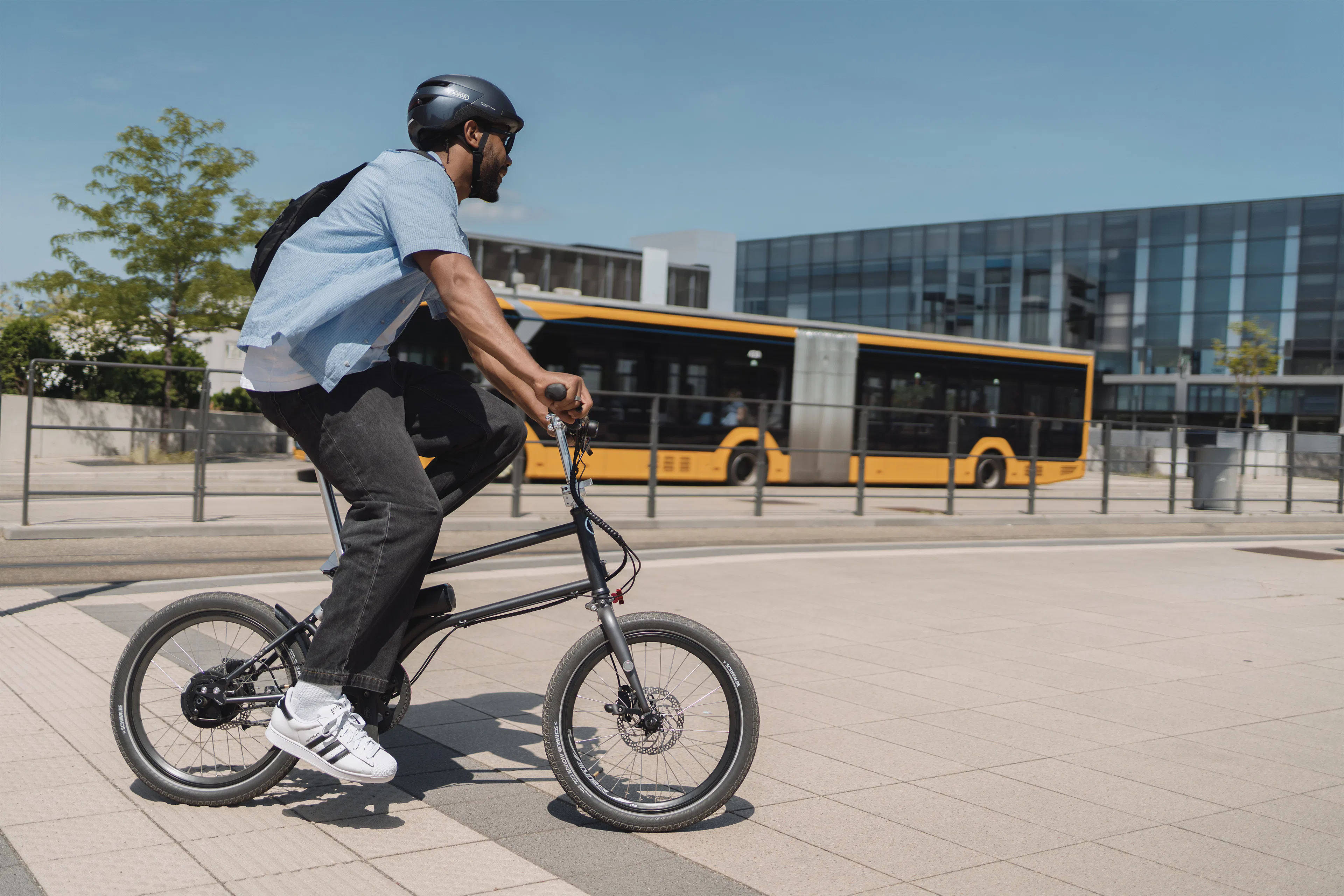
The H2 system fits perfectly into the philosophy. Based on his own first riding experience with the system, Keineke sees its sweet spot in urban mobility, commuting and relaxed recreational riding. For everyday journeys, in the city and to the countryside, two mechanical gears combined with a rear motor and belt drive can provide what many riders actually need, even with a child or dog trailer in particularly in flatter regions.
Ultimately, this may be the most interesting aspect of UTgear's approach. It is working with OEMs and mechanics to make belt-drive technology simpler for everyone.
This article is sponsored by Universal Transmissions.