
Highlights in this latest online magazine (Issue 26 | April 2023) include:
- Cargo bike standard nears completion
- Europe awaits finalisation of battery regulation
- FTA to push Thailand as bicycle supplier
- Reform of EU Competition Law completed
As market shares for e-bikes across Europe grow, so does the need for the correct regulatory framework to help this booming business thrive. This online magazine looks at the legal changes being made and what is on the horizon, including the new battery regulation which is aimed at developing a competitive and sustainable battery industry in Europe. Also, as a last mile delivery opportunity and eco-friendly alternative to a car, the relevance of the cargo bike is growing. A new European standard for this category is needed to help standardise the legal patchwork that exists throughout Europe.
Highlights in this latest online magazine (Issue 26 | April 2023) include:
DAHON

DAHON
QWIC

BMC Switzerland

BMC Switzerland

BRUSSELS, Belgium - The industry is making preparations for the Digital Product Passport (DPP) as this regulation will apply to the first relevant product category from 18 February 2027. At that time, its application will become mandatory for specific battery types.
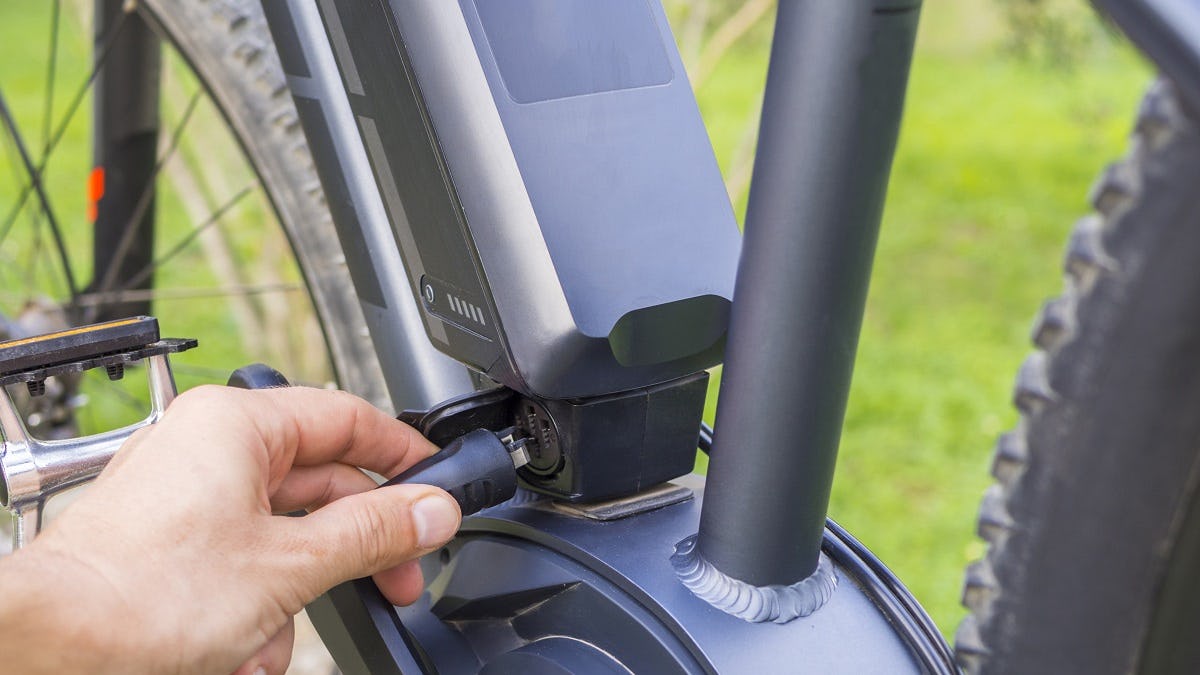
BRUSSELS, Belgium - The Joint Research Centre (JRC) of the European Commission has started the discussion on the future methodology of carbon footprint rules for batteries. The new Battery Regulation foresees that all electric vehicles, including e-bikes need to have a carbon footprint declaration.
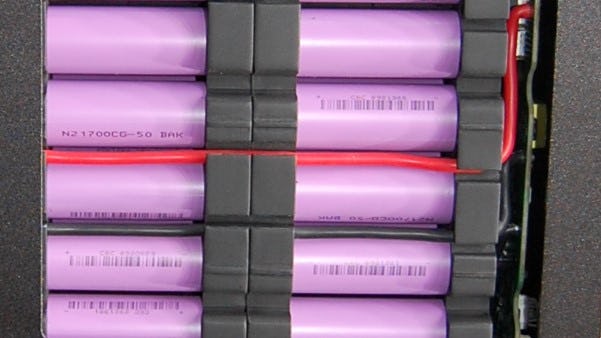
BRUSSELS, Belgium - A provisional agreement on the overhaul of the EU battery regulations has been reached by the European Parliament and Council. The initial proposal was presented in December 2020 by the European Commission. The agreement reached on Friday 9 December still awaits formal approval.
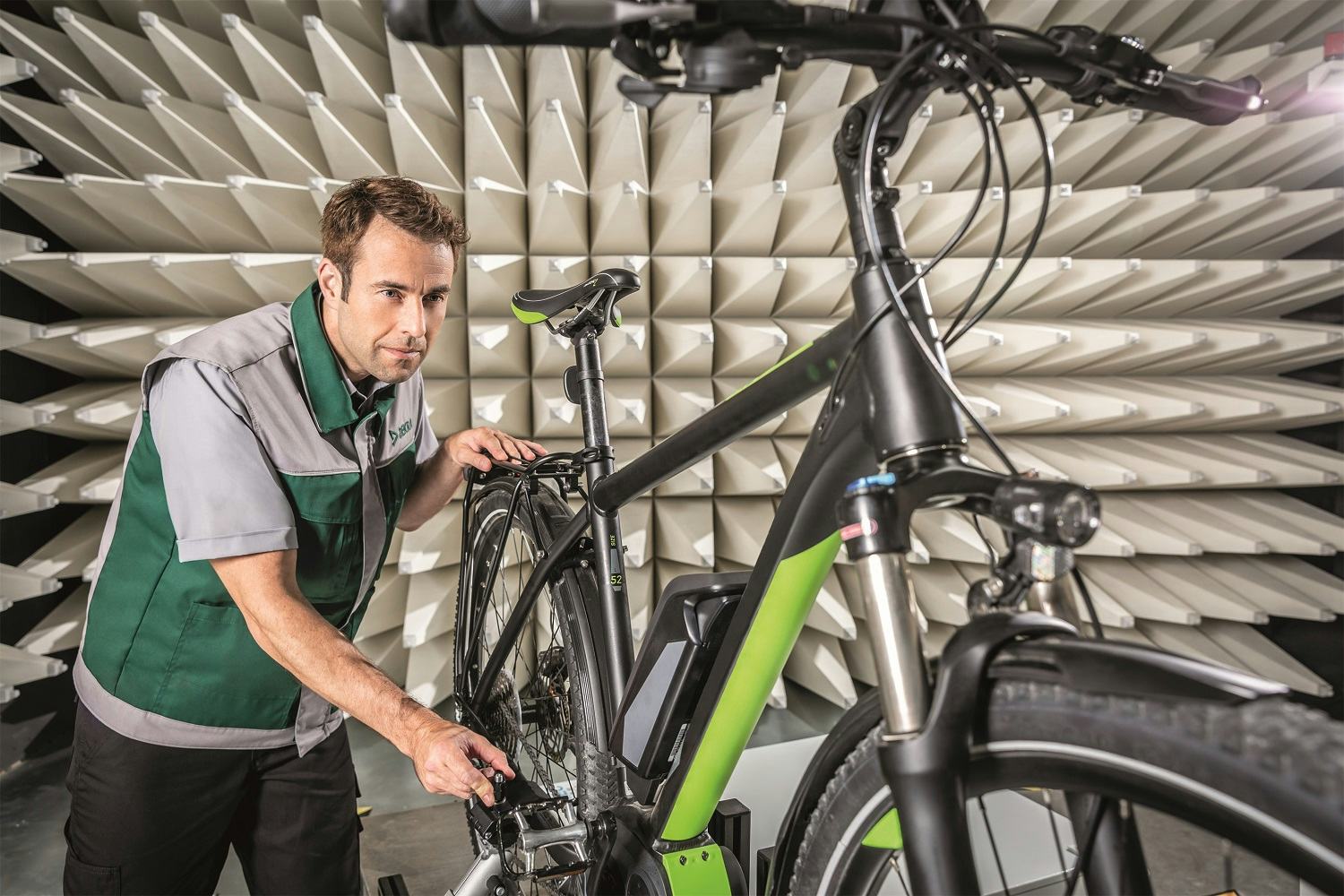
STUTTGART, Germany - DEKRA, the German testing and experts organization, has expanded its range of services targeted to electric two-wheel mobility. A new electromagnetic compatibility (EMC) laboratory and battery test facilities based in Stuttgart are opened. It's to meet growing demand caused by the recent changes in the legal status of e-bikes. Compliance of 25km/h e-bikes with the Machinery Directive and EN 15194 is now a legal obligation.


