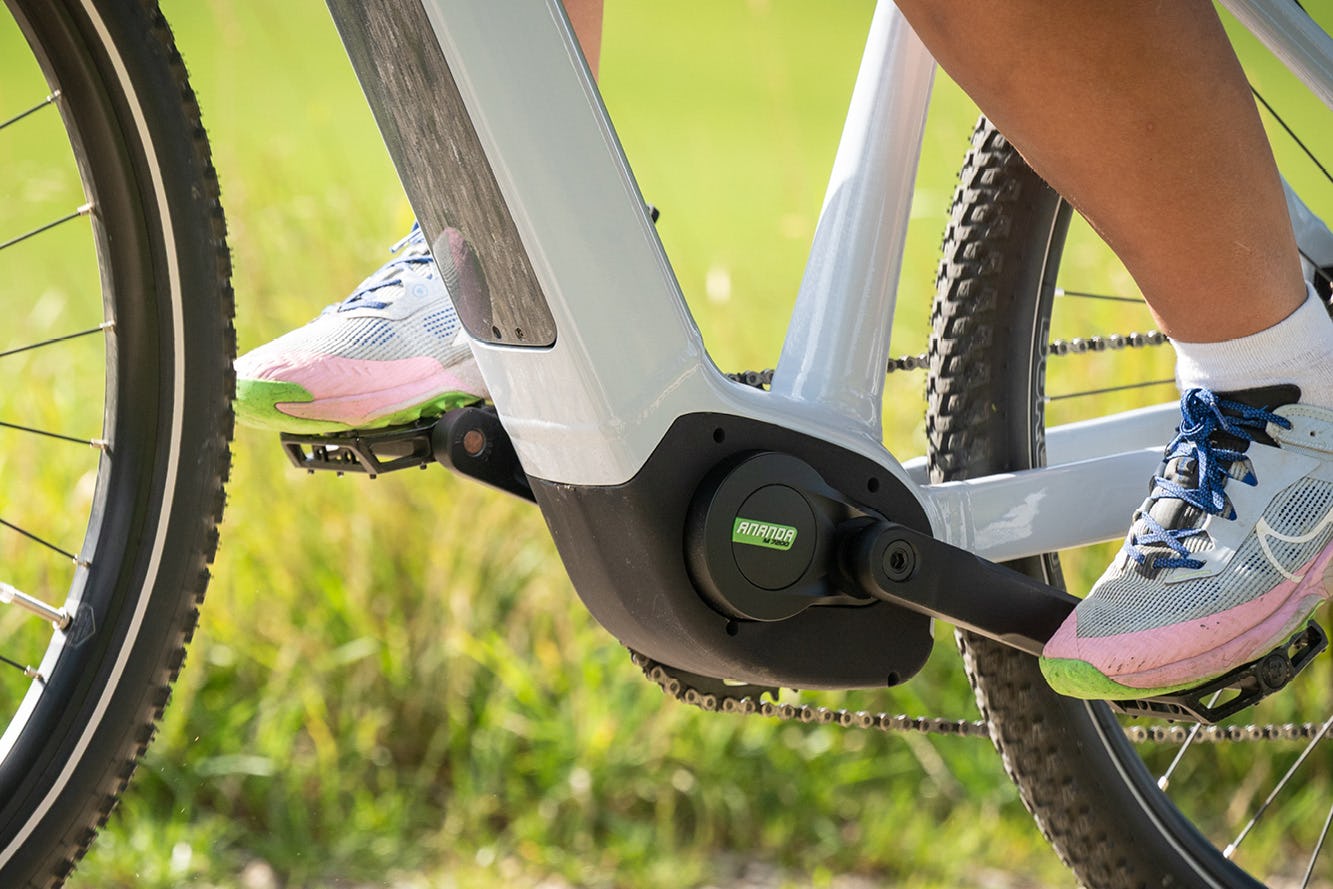
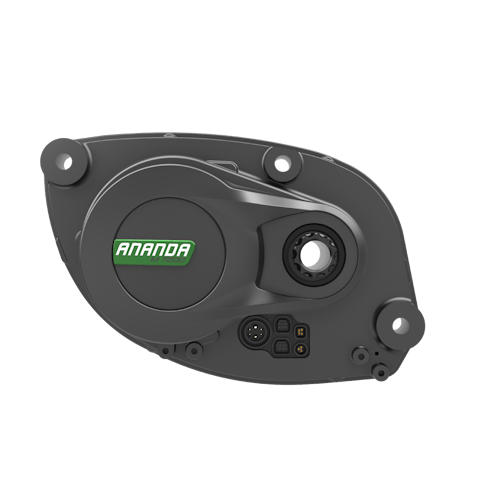
The M7000 Series by Ananda reflects a transition toward platform thinking. Instead of positioning individual motors for separate segments, the series is a shared mid-drive architecture. Built around a core integration standard, the platform enables brands to deploy multiple riding solutions while maintaining common electronics, communication protocols, and system logic.
Three motor variants operate within this structure: The M7000 Series — is designed to simplify e-bike development while delivering premium ride quality across multiple applications.
M7000 is not just a motor, but a scalable platform, covering:
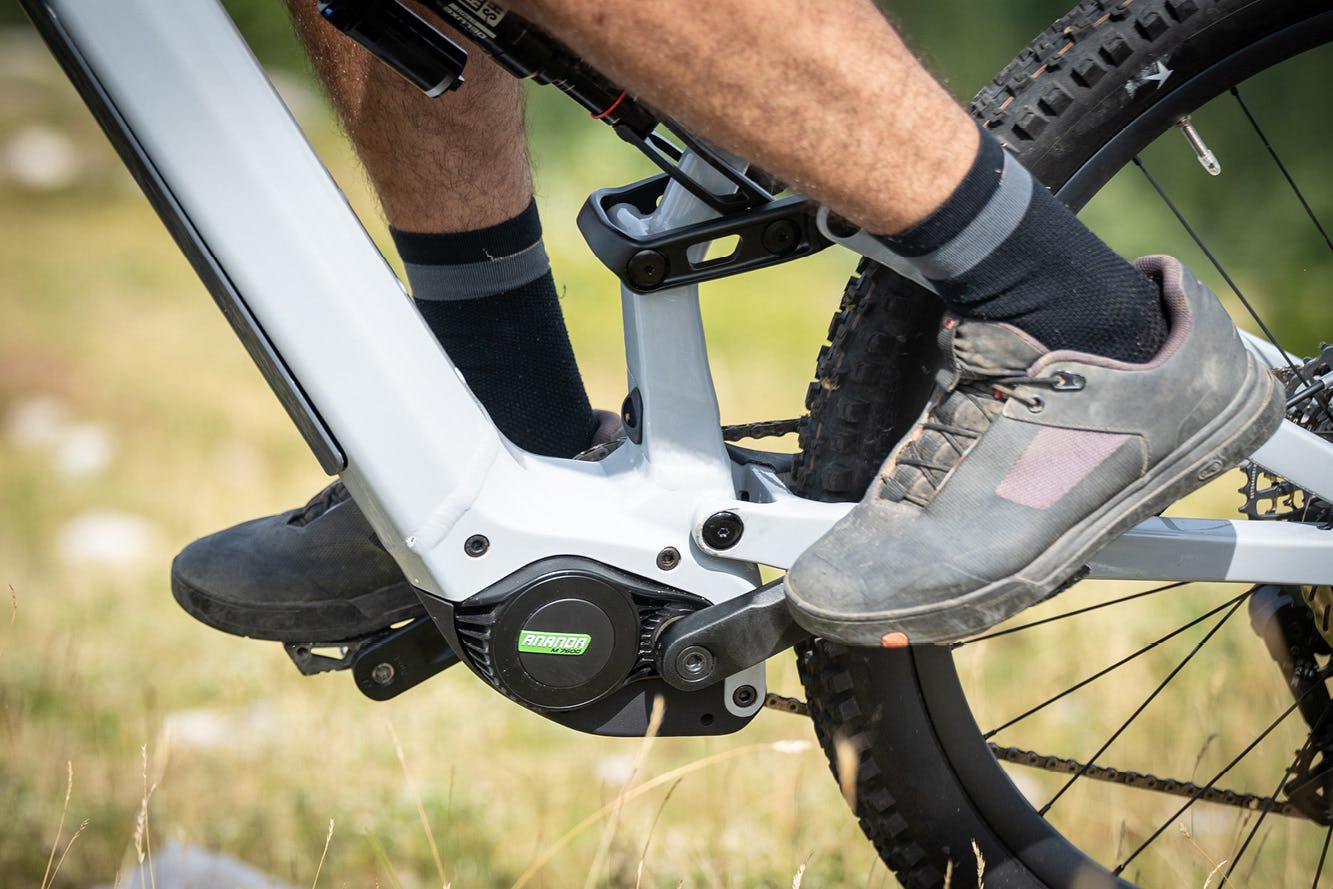
- M7600 - Ananda, tuned for aggressive eMTB riding and technical climbing (120Nm - 850W Peak Power)
- M7200 - Ananda, optimized for urban and trekking use (100Nm - 650W Peak Power)
- M7100 - Ananda, an accessible entry solution for city and high-volume projects (85Nm - 600W Peak Power)
"The goal was to create a modular ecosystem," explains Thomas Lecoq, Marketing Manager at Ananda. "By unifying the mounting points and communication protocols, manufacturers can focus on bike design rather than reinventing the integration for every new model."
Technical DNA: Precision and Performance
While the platform simplifies business operations, the motor's performance remains the primary differentiator. Every unit in the M7000 family shares a high-precision sensor system that samples rider input 96 times per rotation. This high-frequency sampling ensures that torque delivery feels natural and instantaneous, matching the rider’s effort in real time.
A key USP of the architecture is its low-cadence torque optimization. Many mid-drives struggle with power delivery at low RPM, but the M7000 is engineered to provide maximum support from the very first pedal stroke (0–30 RPM). This is particularly critical for steep technical climbs, or swifter acceleration at city traffic lights.
Furthermore, a newly developed responsive clutch system eliminates the mechanical "lag" often felt during gear shifts or when motor support engages. This results in a seamless transition between human power and electric assistance, preserving the "bicycle" feel even under high load or low speeds manoeuvres.


Reducing Engineering and Sourcing Complexity
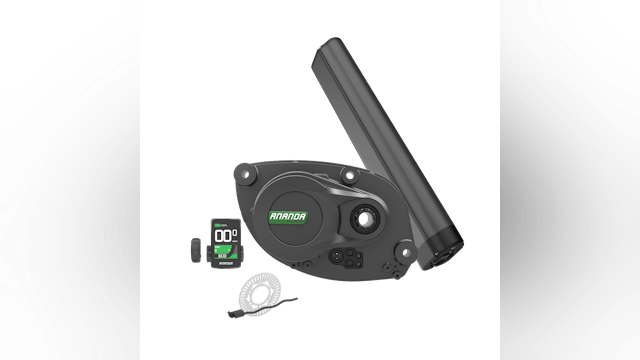
For product managers, the advantage of this shared DNA lies in simplification. The architecture is built around a universal integration concept and unified CAN communication. This reduces the number of unique frame and electrical components and technical management required across a brand's entire portfolio.
Instead of redesigning frames for each new segment, brands can reuse a proven base architecture. From a sourcing perspective, fewer system variants mean fewer stock-keeping units (SKUs) and clearer forecasting. Component families—including batteries, displays, and controllers—are designed to work as one coherent ecosystem, limiting supply chain fragmentation and reducing inventory risk.



Scalable Growth and Integration
Platform logic also extends to the final bike design and after-sales. The compact motor format, weighing between 2.7 and 2.9 kg, gives frame designers freedom with geometry and suspension layouts. For assembly, a single integration standard reduces tooling variation and simplifies production lines.
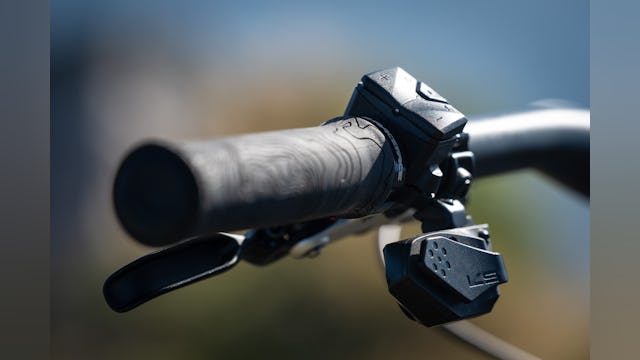
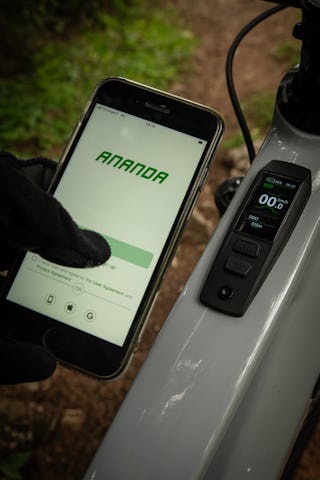
For the user, the experience is enhanced by modern connectivity. The platform supports The platform supports connectivity, integrated in-frame TFT displays, and optional IoT modules for anti-theft or diagnostics.
As brands manage broader model ranges, maintaining this system coherence becomes vital. A shared architecture allows for a clear product hierarchy: entry-level city bikes and high-performance eMTBs can operate within the same technological ecosystem. This structured approach supports long-term scalability, as future motor derivatives will remain backward compatible, supporting a brand's development investment for years to come.
This article is sponsored by Ananda.