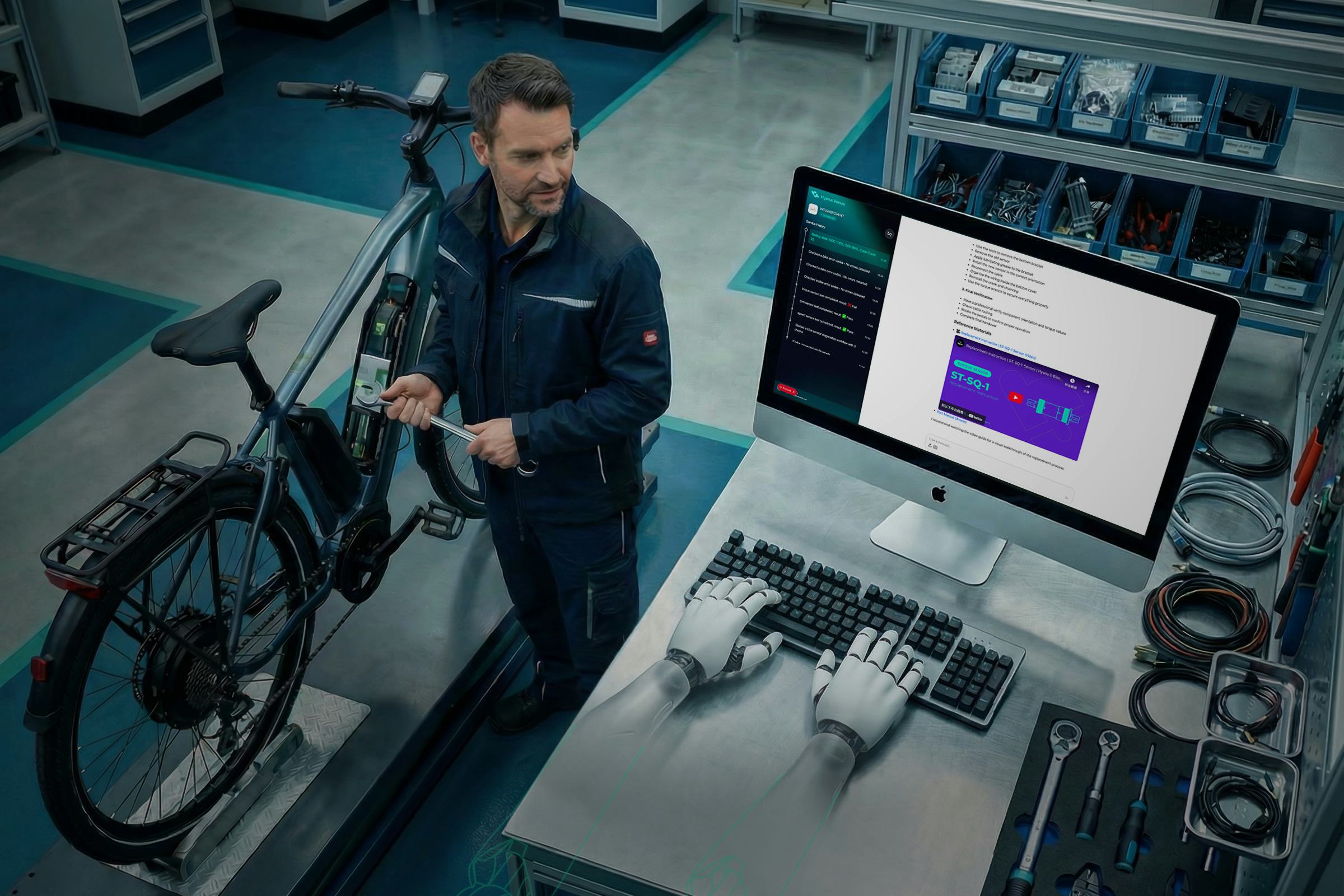
When mechanical service models reach their limits
"The electronic complexity of modern e-bike systems has fundamentally changed the demands placed on after-sales support", says Shawn Lin, Marketing Lead at Hyena. "While traditional service models were built around mechanical maintenance and spare parts availability, today’s challenges increasingly involve software behaviour, electrical architecture and system-level interactions."
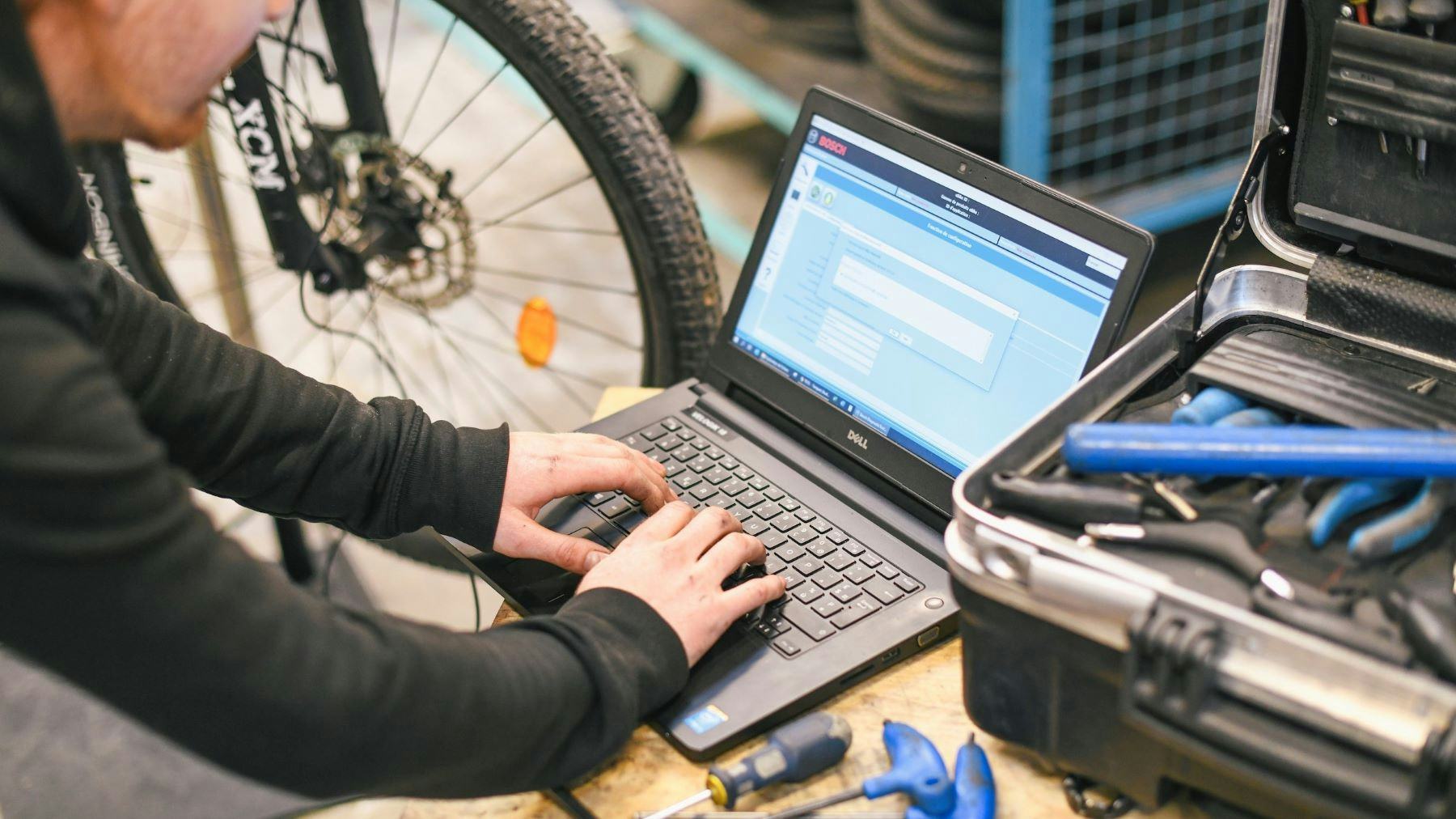
"Most bicycle workshops are staffed by technicians with strong mechanical expertise. Many are comfortable using software interfaces and standard diagnostic tools, but expecting them to independently troubleshoot controller logic, sensor interactions or electrical faults is unrealistic. As system complexity increases, relying on manual experience alone places growing pressure on dealers and service teams."
Why serviceability now defines product longevity
This gap becomes more visible as products age and circulate within the market: "For both new and used e-bikes, long-term serviceability is increasingly tied to residual value and customer confidence. Without access to diagnostics, firmware updates and verified service records, even mechanically sound products risk becoming difficult to support, undermining dealer confidence and shortening effective product lifespans."
"As new sales channels and emerging resale platforms continue to develop around e-bikes, consistent digital diagnostics and update capabilities are becoming essential infrastructure. In many cases, these channels rely heavily on system suppliers to provide the tools required to assess condition, maintain performance and ensure continued compliance over time."
From reactive support to system-level service
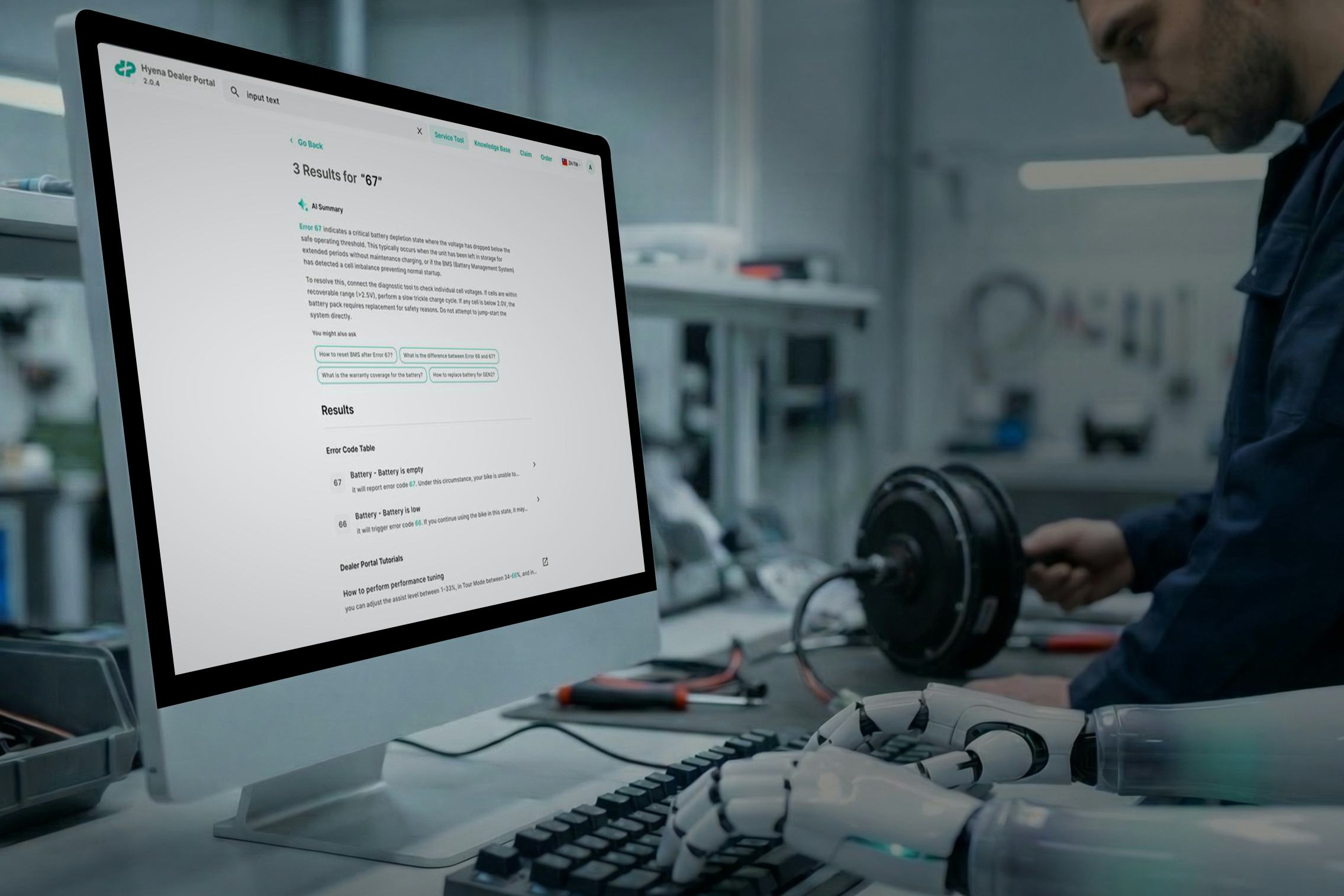
In response, after-sales service is being redefined. Rather than focusing solely on physical service coverage, the emphasis is shifting towards system-level support, data availability and consistency across the entire product lifecycle. Service quality is no longer measured only by how quickly issues can be resolved, but by how accurately they can be identified, managed and prevented at scale.
Lin: "Digital platforms play a central role in this transition. By consolidating diagnostics, firmware management, service documentation and maintenance records into a single environment, system suppliers can reduce complexity for dealers while improving traceability, consistency and long-term support."
Designing service into the system
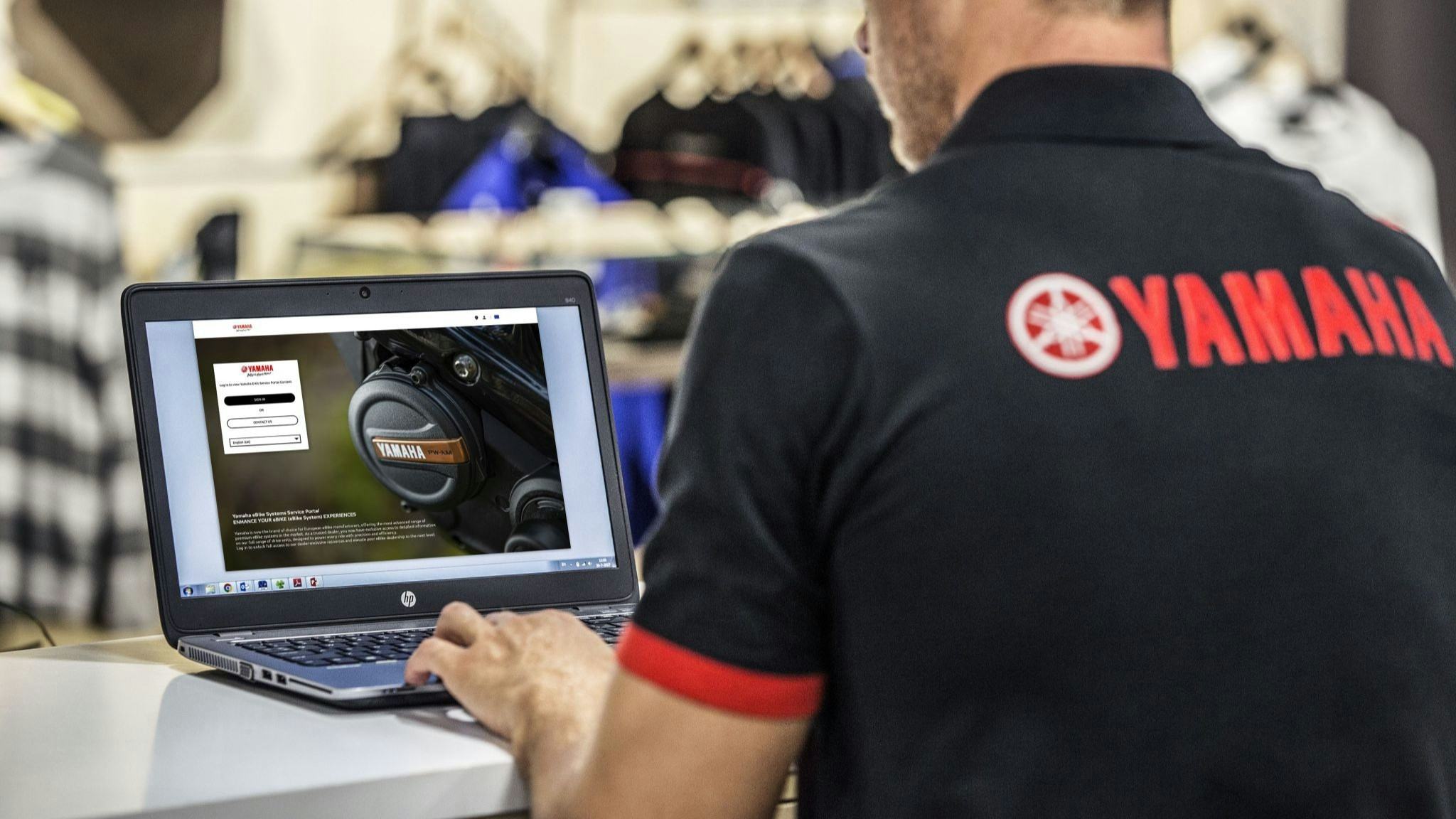
Within this context, some system suppliers have begun to treat after-sales capability as an integral part of system design rather than a software add-on. One example is Hyena, which has developed a dealer-facing digital platform that integrates diagnostics, firmware management, technical documentation and service history into a unified workflow.
"Importantly, this approach extends beyond software functionality", says Lin. "It reflects system-level design decisions made during drive system development, including the integration of automated self-diagnostic circuits, traceable manufacturing processes and data structures that support long-term serviceability. Achieving this level of integration represents a significant technical threshold, one that only a limited number of system suppliers are currently able to meet."
"Under such a structured digital framework, after-sales data becomes a resource rather than a by-product. Aggregated service records and usage insights can inform maintenance decisions, improve consistency across service networks and significantly extend e-bike lifespans, while enabling future service models to be developed on top of a stable system architecture. Within this context, service data no longer supports only reactive workflows, but also reshapes how expertise is accessed at the point of service."
Hyena has indicated that under this architecture, AI-assisted service interfaces have already been implemented internally, allowing system knowledge, diagnostics and service actions to be accessed through natural interaction, effectively bringing system-level expertise to the shop floor, with early access expected around Taipei Cycle 2026.
This article is sponsored by Hyena.