The latest e-bike motors have raised the technical requirements for drivetrain and wheel components across the industry. “With power and torque once unseen in MTB, standard components can be pushed beyond their design limits, making e-bike-specific specifications essential for OEMs' development and aftersales confidence,” says Patrik Zuest, MTB product manager at FSA. “We created our e-bike kit for this purpose.”
He continues: “Rather than a collection of individual upgrades, we offer an integrated system of crankarms, chainrings, and wheelsets built around the stresses of today's high-performance e-bike platforms, such as Avinox. For OEMs and dealers, this means a clearer specification path, improved durability, reliable power transfer, and a stronger product story for the end user.”
Developed for the DJI Avinox M2 platform
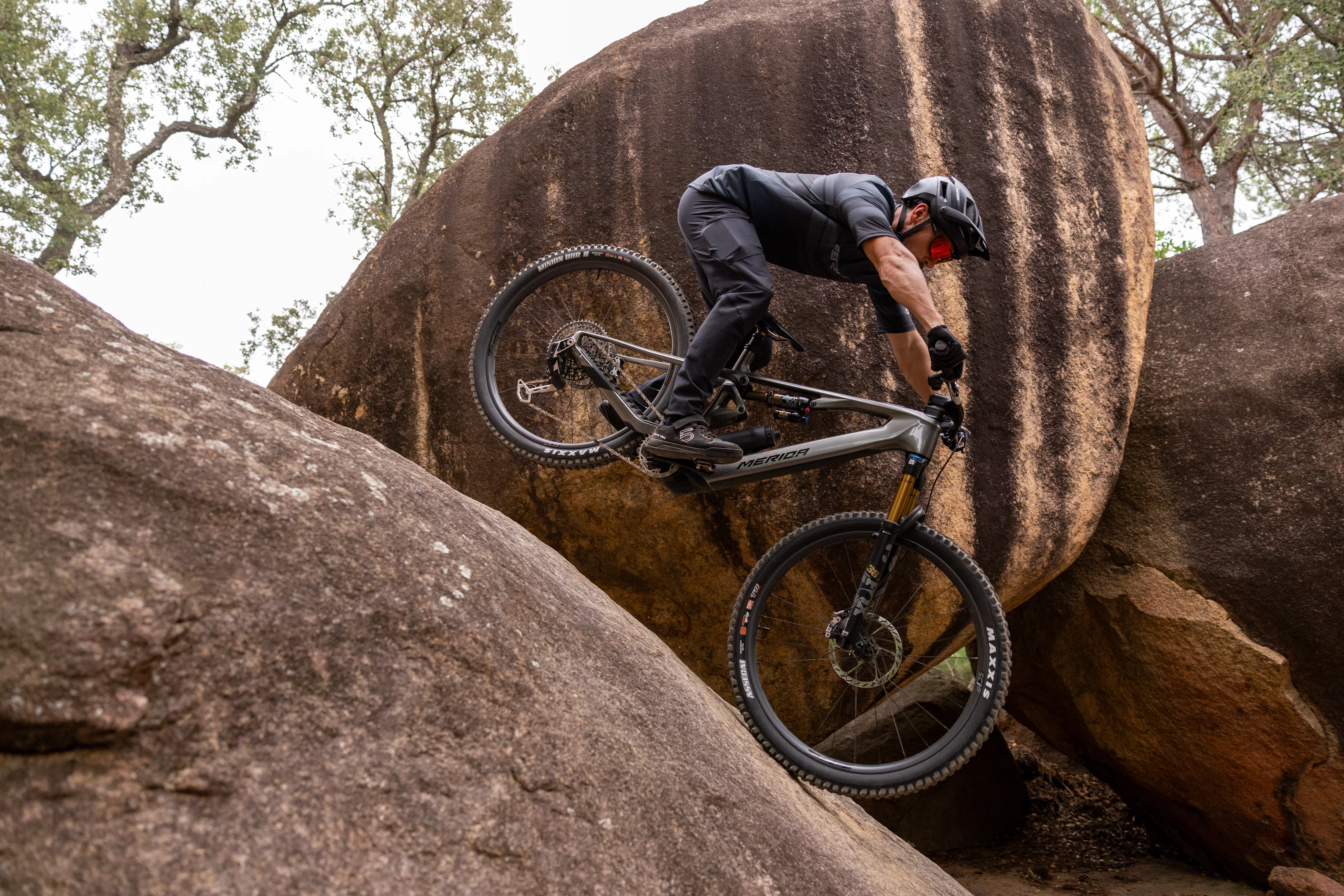
A key reference point for this new generation of e-bike platforms is the DJI Avinox M2 motor system. With up to 150Nm of torque, the Avinox M2 represents a major performance step. It places new demands on component selection, frame specifications, and wheel system durability.
More torque means greater torsional loads on the drivetrain and wheels. “We meet these requirements with a dedicated Avinox-compatible kit engineered around this motor platform,” explains Zuest. “Each component is designed to support strength, responsiveness, and precision while helping brands specify a coherent, performance-ready package.”
Compatibility beyond Avinox
Although developed for the DJI Avinox M2, the kit also reflects FSA's broader expertise in e-bike integration. The company offers a comprehensive range of e-bike components compatible with leading motor manufacturers, including Bosch, TQ, Fazua, Yamaha, Brose, Specialized, among others.
Crankarm options for different build levels
FSA's e-bike range contains a broad crankarm portfolio. “Because OEM programs, market positions, and retail price points differ, FSA offers e-bike-specific crankarms instead of a one-size-fits-all solution,” emphasises Zuest.
The company’s lineup includes CNC-machined aluminum, lightweight carbon, and forged alloy options, helping brands align performance targets, model segmentation, and budget requirements. This range supports everything from mid-level builds to premium e-MTB platforms, giving OEMs and dealers flexible options within a dedicated e-bike component family.
FSA offers e-bike-specific crankarms instead of a one-size-fits-all solution”
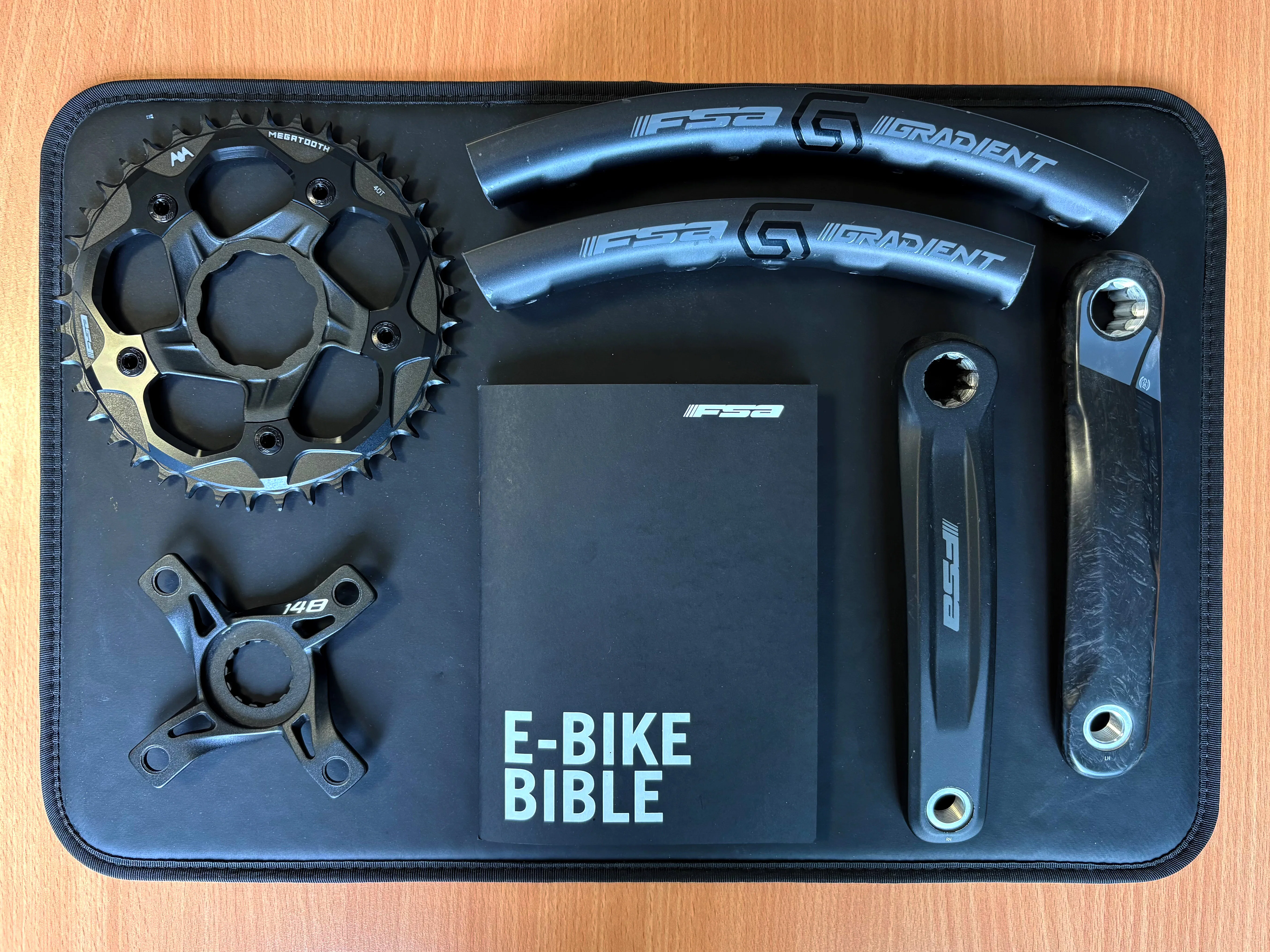
Zuest: “At the top end, CNC-machined aluminum crankarms deliver precision, stiffness, and durability, with material optimised to reinforce key stress areas for high-torque loads. For premium specifications, carbon crankarms combine low weight and stiffness to support performance-focused e-MTB builds without compromising strength. And forged alloy crankarms provide durable, cost-effective reliability for high-volume models, rental fleets, and demanding everyday use.”
E-bike bible
"We created the ultimate encyclopedia of e-bikes, called the E-bike Bible," mentions Zuest. "Dealers can request this key technical printed book via FSA distributors. It is a very important tool to have in the workshop."
Consistent chainrings
The chainring is critical for powerful motor systems. “Under high torque, chain retention and drivetrain efficiency are essential for performance, reliability, and customer satisfaction,” emphasises Zuest. “Our chainrings are CNC-machined with optimised tooth profiles to ensure smooth engagement and strong retention on rough terrain. Across rocky climbs, technical descents, and fast-flow trails, the objective is consistent drivetrain performance in demanding real-world conditions. Precise machines also support longer service life by reducing wear over extended use. This is an important factor for dealers managing customer expectations and aftersales support.”
Heavy-duty wheels
If the crankset and chainring manage power transfer, the wheels are central to translating that output into controlled performance. This is where modern e-bike specification requirements become especially clear.
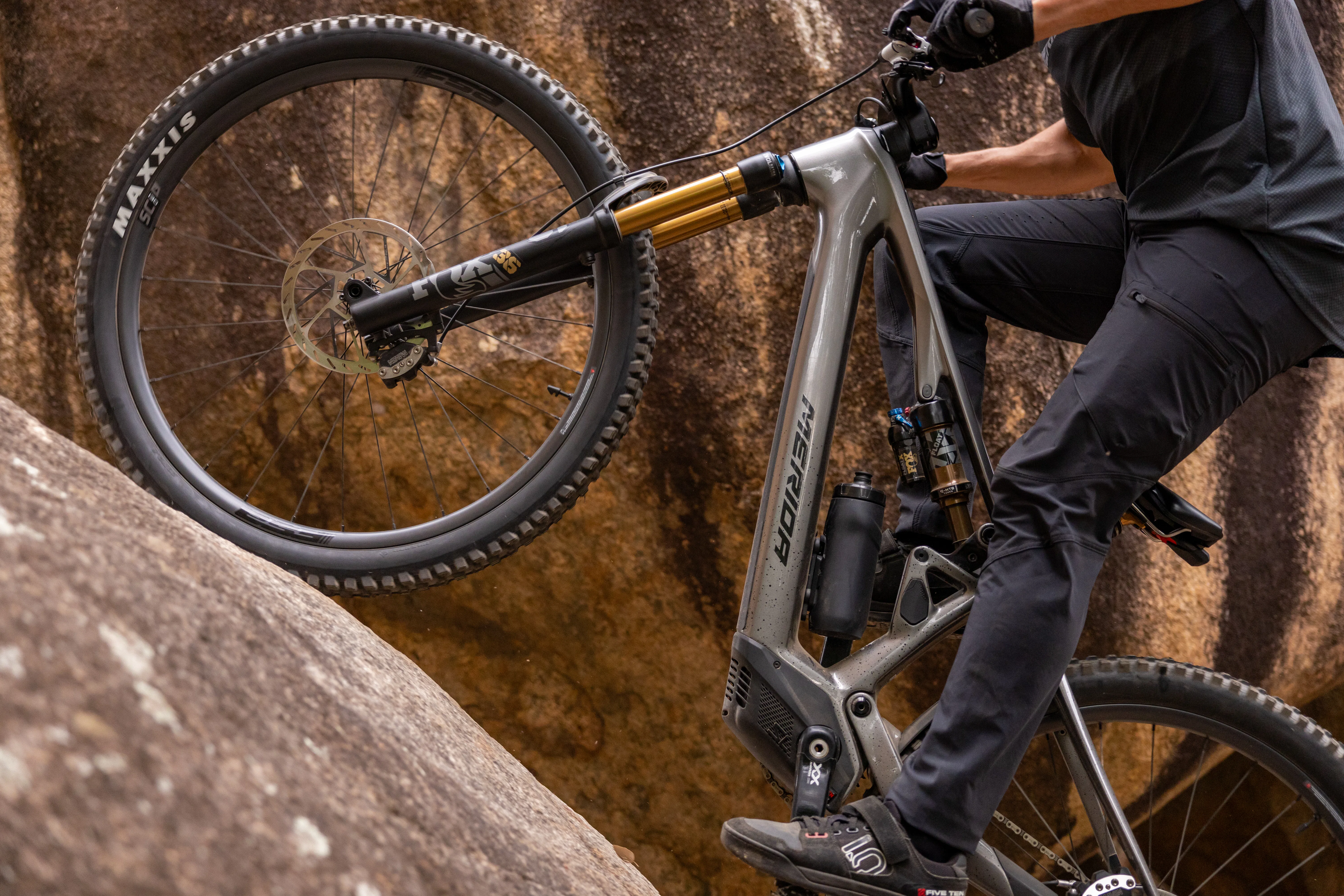
Zuest explains: “Higher bike weight, strong motor assistance, and aggressive use cases place significant stress on wheel systems. The weight limit for (e-)MTB wheels has been raised to 150kg. We therefore developed a heavy-duty wheel platform for modern e-MTB applications. This platform is purpose-built rather than adapted from MTB wheels. It is designed to withstand the loads generated by the latest-generation electric mountain bikes.”
ASTM 5 certification
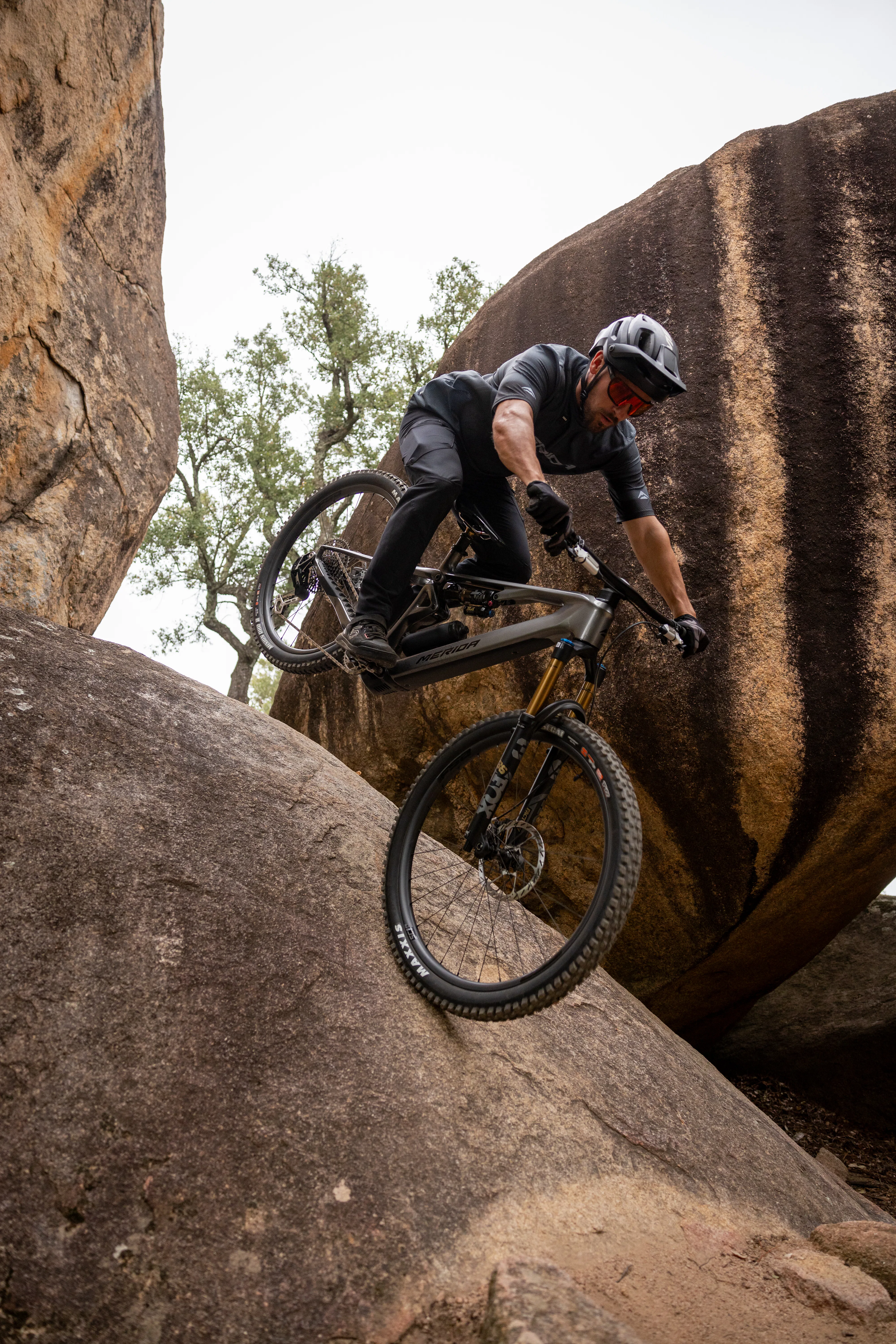
A key feature of the FSA e-bike kit products is ASTM 5 certification. It applies to products built for demanding off-road use, including aggressive trail and enduro riding with large impacts and dynamic loads. To achieve ASTM 5, components must pass rigorous tests simulating real-world riding conditions.
“For OEMs and dealers, this certification provides a clear technical message around durability, use cases, and product confidence,” adds Zuest. “On rock gardens, drops, and rough terrain, the wheels are engineered to maintain integrity and performance.”
Steel axles and steel freehub bodies
Zuest: “Lightweight traditional solutions may struggle with forces from motors producing up to 150Nm of torque. We address this with steel axles and steel freehub bodies. Steel resists deformation and wear better than conventional lightweight alternatives. This helps preserve hub performance and reduce damage from repeated high-torque acceleration, supporting reliability across production bikes and service environments. The result is a wheelset engineered for the loads of today's most powerful e-bike systems and the expectations of professional distribution channels.”
This article is sponsored by FSA.