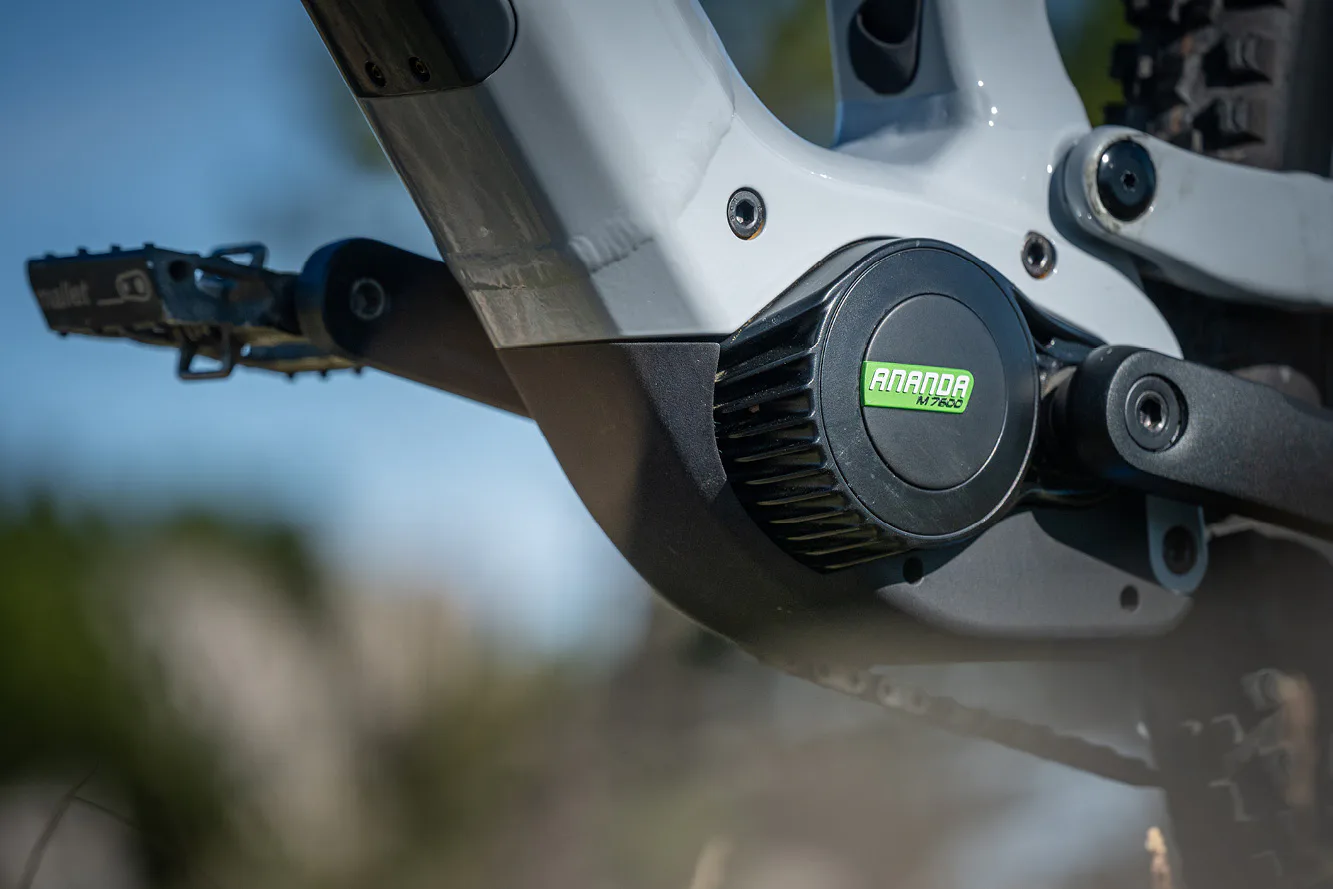
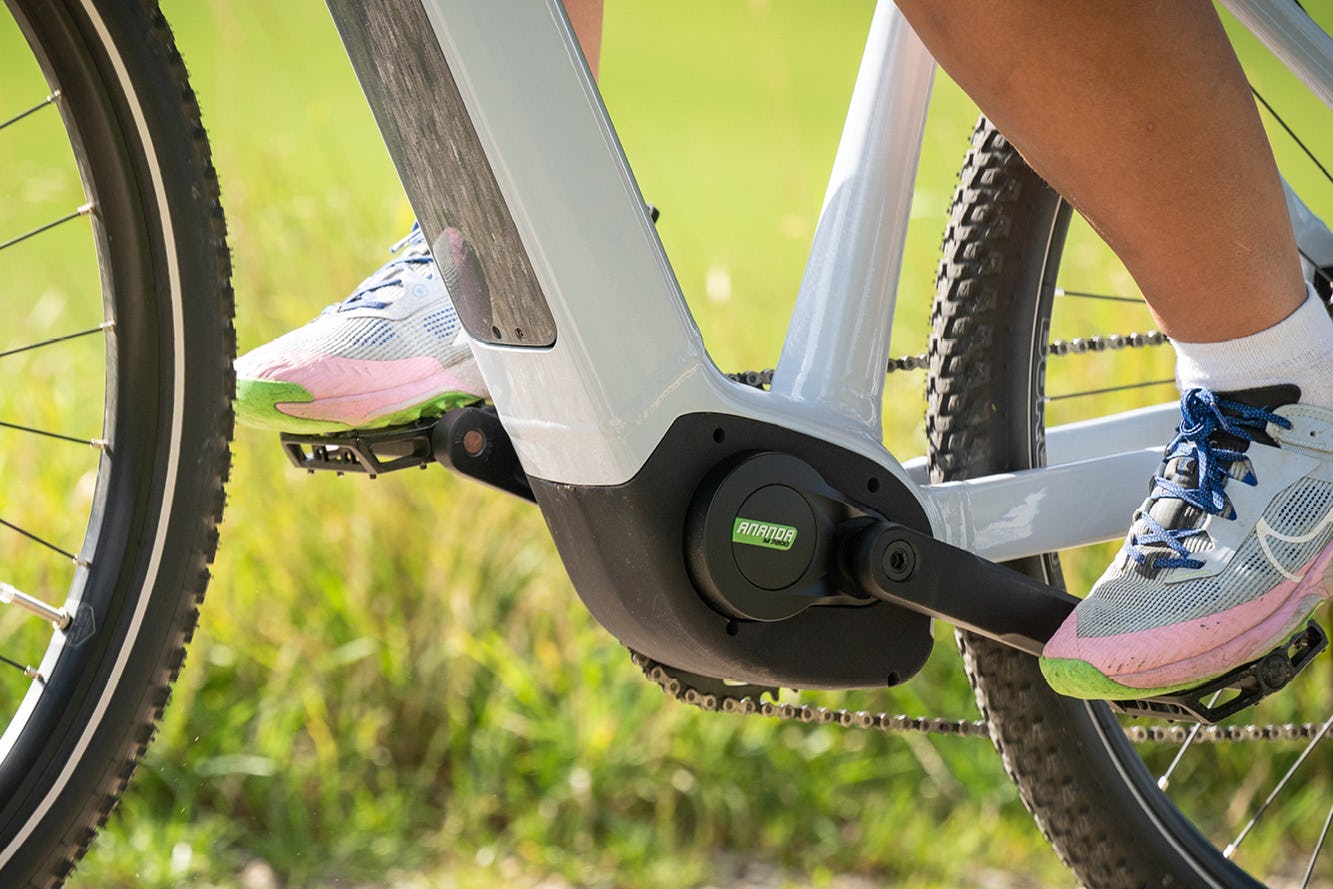
Operating a shared e-bike fleet presents challenges that private bicycles rarely encounter. Fleet bikes are used intensively throughout the day by riders with different levels of experience, exposed to changing weather conditions and often subjected to demanding urban environments.
For manufacturers developing bikes for this market, every hour a bike remains unavailable due to a technical issue impacts fleet availability and increases operational costs. Performance is measured through key indicators such as bike availability, utilisation rate, maintenance frequency and the ability to efficiently manage daily operations at scale. Selecting an e-drive system is therefore not only a technical decision but a strategic choice that influences maintenance requirements, lifecycle costs and long-term fleet performance.
Reliability beyond the ride
For fleet operators, reliability means much more than the performance of a single bicycle. The real challenge is maintaining consistent operation across hundreds or thousands of units while minimising downtime and unplanned maintenance.
"From a fleet operator's perspective, success is measured across the entire fleet, not on an individual bike," explains the fleet product manager at Ananda. "The objective is to maximise uptime, reduce maintenance requirements and ensure every bike delivers consistent performance day after day. That is what ultimately drives operational efficiency."
“Robust hardware is essential for shared mobility applications,” he continues. “Motors used in fleets must withstand intensive daily use, frequent start-stop cycles, exposure to rain, dust and temperature variations, as well as the rough handling that can occur in public environments. High ingress protection, such as an IPX6 rating, contributes to long-term reliability in demanding urban conditions. Durable systems help reduce service interventions and allow maintenance teams to focus on preventive servicing rather than reactive repairs.”
Total cost of ownership
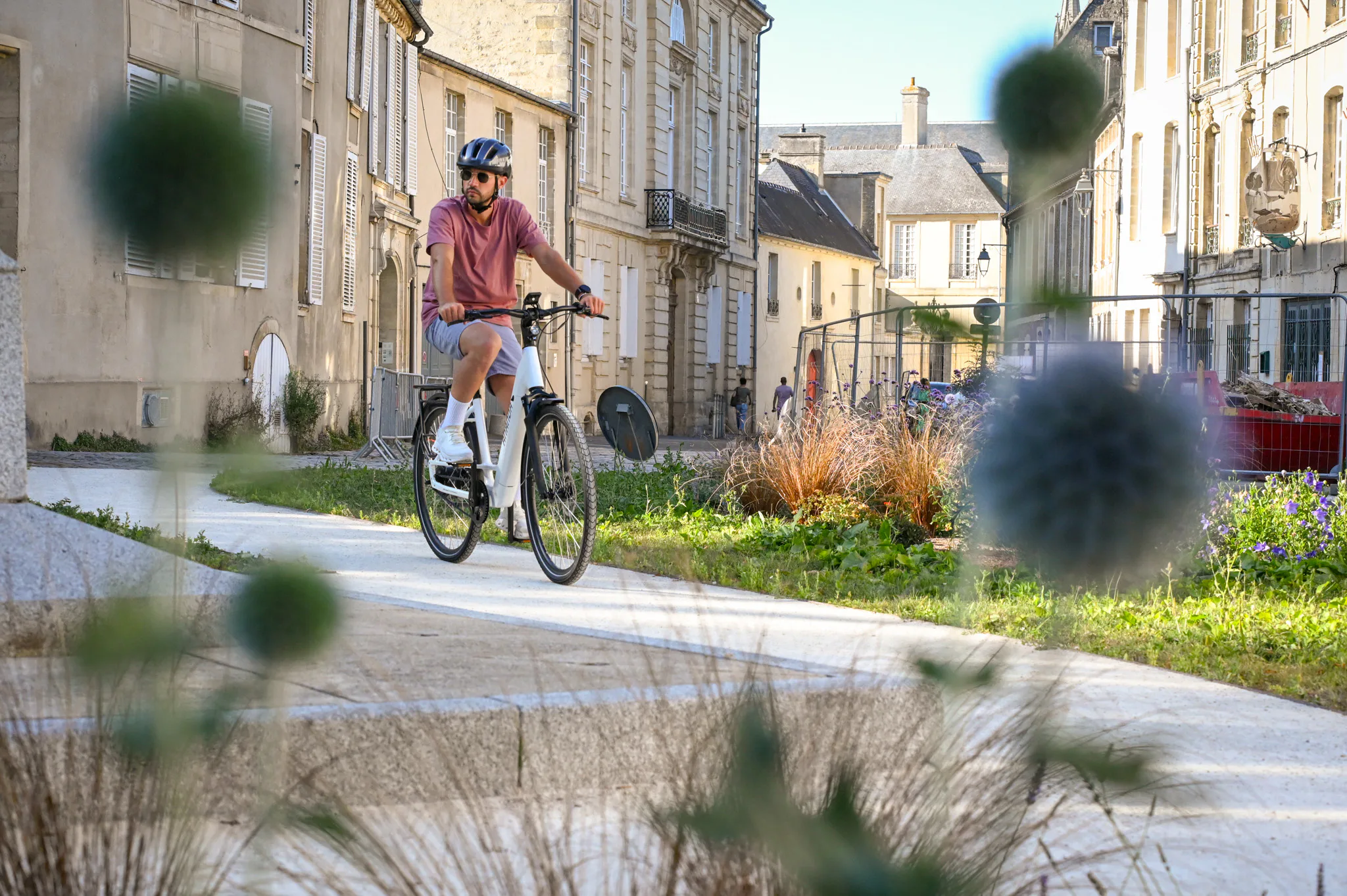
As shared mobility continues to mature, operators are increasingly evaluating complete lifecycle costs rather than focusing only on the initial purchase price. Component durability, maintenance frequency, spare parts availability, technical support and supplier responsiveness all contribute directly to the total cost of ownership. Fast access to replacement parts and efficient service processes help reduce downtime and keep more bikes available for users.
Energy efficiency is another important consideration. For high-utilisation fleets, efficient drive systems help extend real-world range, reduce battery swapping requirements and support daily operational processes such as fleet redistribution and rebalancing.
Connected and open systems
Modern fleet operations increasingly rely on data. Battery status, motor health, location data and maintenance history help operators optimise service planning and improve fleet availability. Data-driven fleet management allows operators to better understand utilisation patterns, identify operational issues and improve processes such as demand analysis, hot spotting and rebalancing, ensuring that bikes are available where and when demand is highest.
As shared mobility becomes part of wider mobility-as-a-service ecosystems, open-system compatibility is becoming essential. Flexible architectures allow manufacturers to integrate motors, batteries, displays, IoT devices and fleet platforms according to specific project requirements.
Our focus is not only on reliable hardware, but on creating integrated solutions that support fleet operators in daily operations”
Purpose-built hardware
“With our open-system approach, we develop e-drive solutions designed to integrate with different hardware and software environments,” further explains Ananda’s fleet product manager. “This flexibility enables manufacturers to customise configurations, adapt to local fleet requirements and build scalable solutions for long-term operation. Drawing on our experience with large-scale urban mobility projects, our focus is not only on reliable hardware, but on creating integrated solutions that support fleet operators in daily operations.”
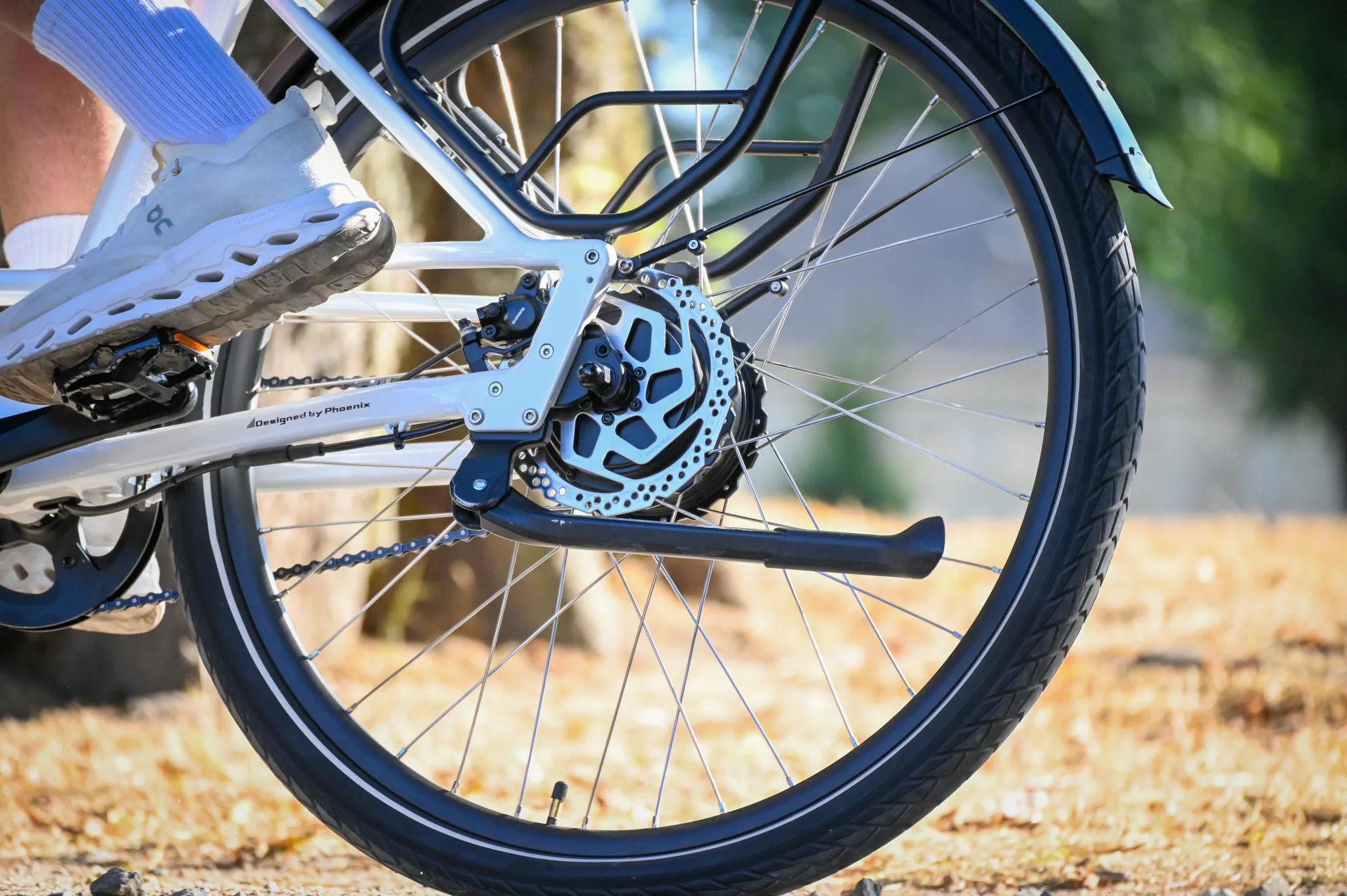
One example he mentions, is the R525 security-focused hub motor: “Designed for shared and utility e-bikes, it combines high torque with quiet operation, an integrated anti-theft lock and patented anti-lock safety technology. For shared bike fleets, that kind of setup supports secure parking, daily durability and a more practical user experience in real-life city conditions. Combined with open connectivity capabilities, smart lock integration and configurable system architecture, such solutions enable manufacturers to connect e-drive systems with wider fleet management solutions while maintaining flexibility throughout the lifetime of the project.”
The future of shared mobility
Fleet operators and manufacturers need complete e-drive solutions that combine durability, serviceability, connectivity and flexibility throughout the lifetime of a bike.
Ananda’s fleet product manager concludes: “With our open-system approach, scalable production capabilities and experience in large-volume applications, we develop drive systems designed for the specific requirements of shared mobility. These industrial capabilities support competitive lifecycle costs while maintaining consistent quality across large-scale deployments. From robust hub motor solutions engineered for intensive daily use to connected architectures compatible with fleet management platforms, these solutions help manufacturers build reliable and adaptable fleets. By combining customisation options, operational efficiency and lifecycle optimisation, this approach supports the development of shared e-bike systems that are ready to meet the evolving needs of modern cities.”
This article is sponsored by Ananda.