This shift is reshaping the global bicycle industry, and Taiwan is adapting with it. For decades, the island built its reputation on quality manufacturing, engineering expertise and reliable partnerships. Today, however, competitive advantage is being redefined by a new set of capabilities. Regulations such as Europe’s Digital Product Passport (DPP), the Carbon Border Adjustment Mechanism (CBAM) and growing ESG reporting requirements are changing what brands expect from their suppliers. At the same time, the rise of connected e-bikes is expanding the role of software, data and digital services throughout the product lifecycle.
Against this backdrop, Taipei Cycle is increasingly becoming a reflection of a broader industry transition: from manufacturing products to delivering integrated systems and solutions.
Manufacturing is becoming a data business
The role of suppliers is changing rapidly. In the past, success was measured primarily by quality, delivery performance and production efficiency. Today, brands are also asking suppliers to provide traceability data, carbon footprint information and documentation that supports regulatory compliance across multiple markets.
A frame manufacturer, for example, may now be expected to provide material-origin data that supports a Digital Product Passport. Component suppliers are increasingly required to deliver verified environmental information and reporting that aligns with customers’ ESG obligations. In other words, factories are becoming more and more information hubs as much as production facilities. For global brands, the ability to access reliable product and supply chain data is becoming just as important as the products themselves.
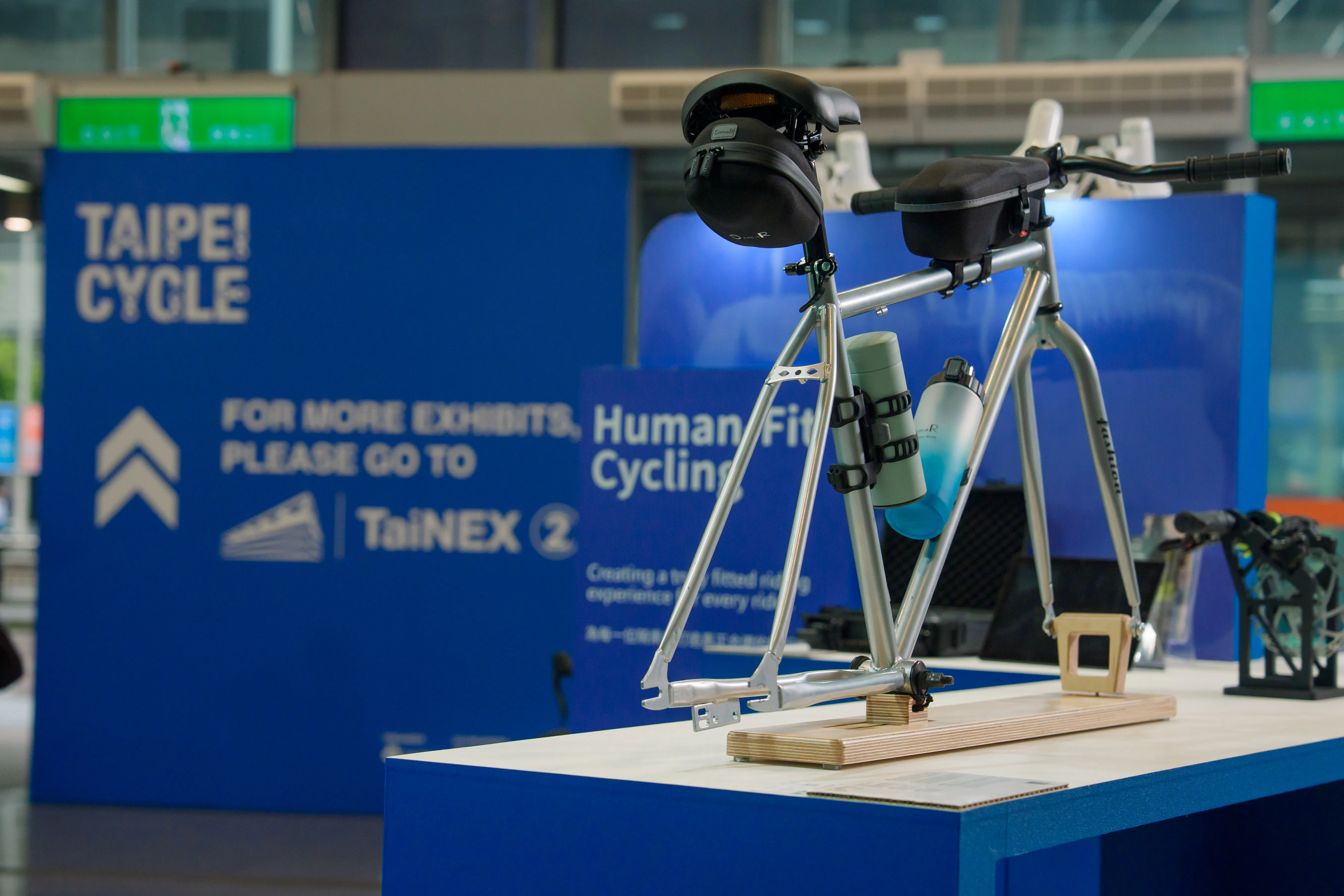
Systems thinking replaces component thinking
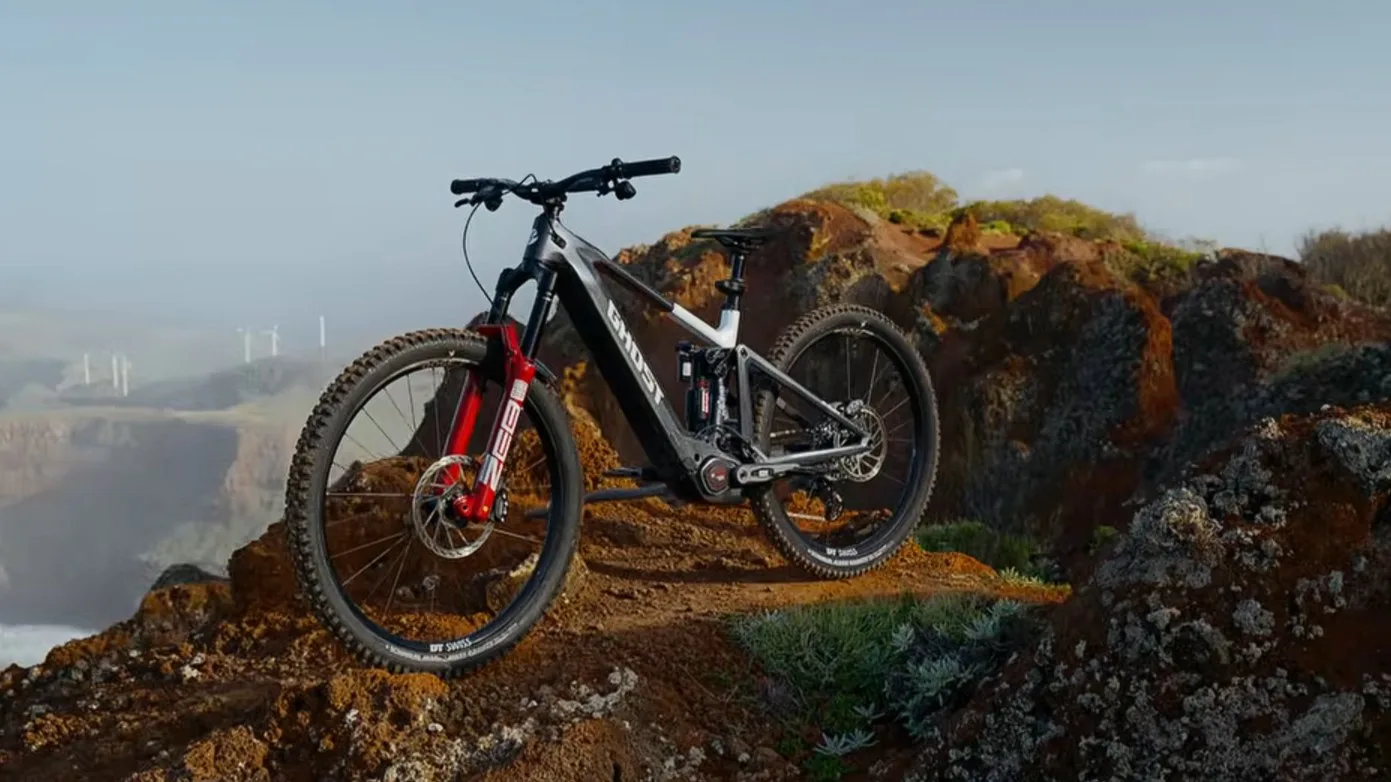
The same transition is visible in product development. As e-bikes evolve into connected mobility platforms, value creation is moving beyond mechanical components. Over-the-air software updates, battery management systems, connectivity services and app integration are becoming essential parts of the customer experience.
This requires a different type of supplier relationship. Instead of managing individual components in isolation, brands increasingly need partners capable of coordinating hardware, software and data across multiple suppliers and markets. The ability to integrate systems is becoming a competitive advantage in its own right. Taiwan is particularly well positioned for this development, combining decades of bicycle manufacturing expertise with one of the world’s most advanced ICT ecosystems.
Growing role as supply chain coordinator
Geopolitical shifts, changing trade relationships and increasing regulatory complexity are also reshaping global sourcing strategies. Many brands are looking for greater flexibility, stronger risk management and partners capable of coordinating production across different regions. This is especially relevant for premium bicycle segments, where customisation, shorter production runs and rapid product development have become increasingly important.
Rather than competing solely on manufacturing scale, Taiwan is strengthening its position as a coordinator of complex international supply chains. The island's strengths in flexibility, technical expertise and cross-border collaboration align closely with the needs of brands operating in a more fragmented global environment. For buyers, this means access not only to production capabilities, but also to partners capable of helping navigate regulatory requirements, supplier networks and evolving market expectations.
Taipei Cycle is positioning itself as a platform where broader industry challenges and opportunities can be explored”
Redefining the role of Taipei Cycle
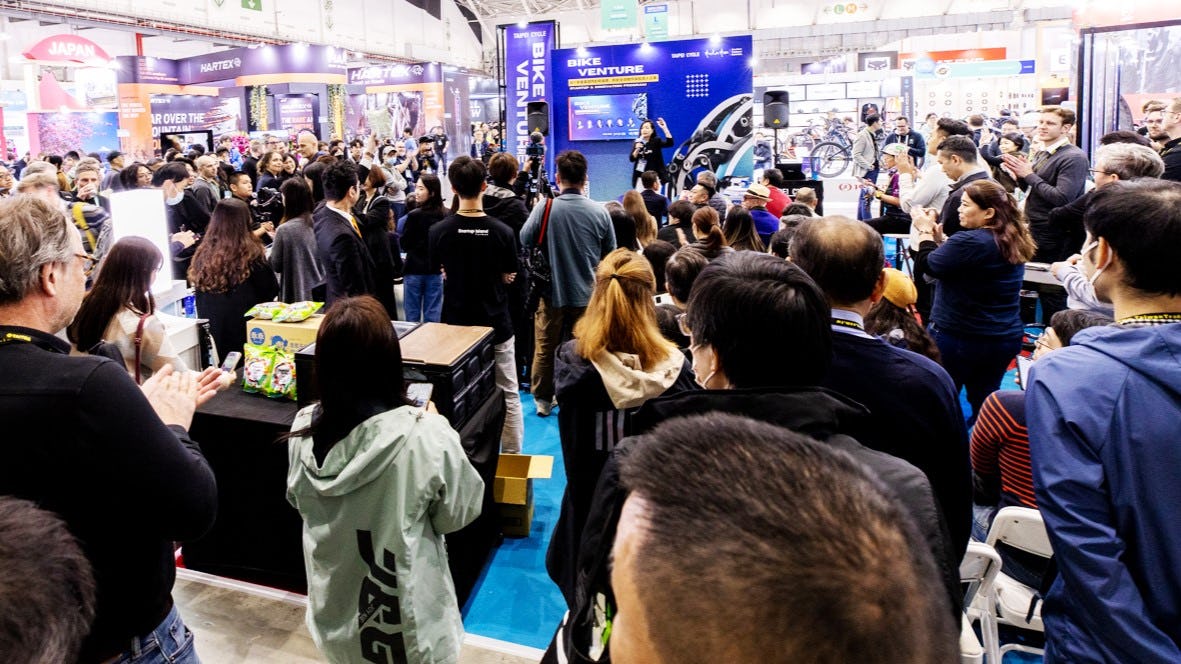
As the industry evolves, trade fairs are evolving as well. Taipei Cycle is increasingly positioning itself as a platform where these broader industry challenges and opportunities can be explored. Alongside product launches and sourcing activities, greater attention is being given to topics such as ESG readiness, digital transformation, compliance requirements and future mobility technologies.
Dedicated initiatives around sustainability, digitalization and DPP readiness aim to help visitors better understand how emerging regulations and technologies will affect future business decisions. Industry forums are also expanding their focus beyond products to address topics such as industrial policy, software ecosystems, supply chain resilience and changing business models. For many visitors, the value increasingly lies not only in discovering new suppliers, but in understanding how the industry itself is changing.
Building the next generation of industry partnerships
Taiwan’s next opportunity is not simply to manufacture more products. It is to help define how products, data, software and supply chains work together in an increasingly interconnected industry. That transition is already underway. The companies that will be most successful in the coming years are likely to be those capable of combining manufacturing expertise with transparency, digital capabilities and effective cross-border coordination.
Taipei Cycle reflects this broader evolution. More than a sourcing event, it is increasingly becoming a forum where the future requirements of the bicycle industry, and the partnerships needed to meet them are taking shape.
This article is sponsored by Taipei Cycle Show.