Built over generations, that trust is deeply rooted in Taiwan’s culture of collaboration and flexibility. But as the industry enters a new phase, Taipei Cycle 2027 also reflects a broader transformation taking place across the island itself. For international brands and suppliers, the real question is no longer simply where products are made. Increasingly, it is about who can best help navigate a far more complex business environment.
From products to integrated solutions
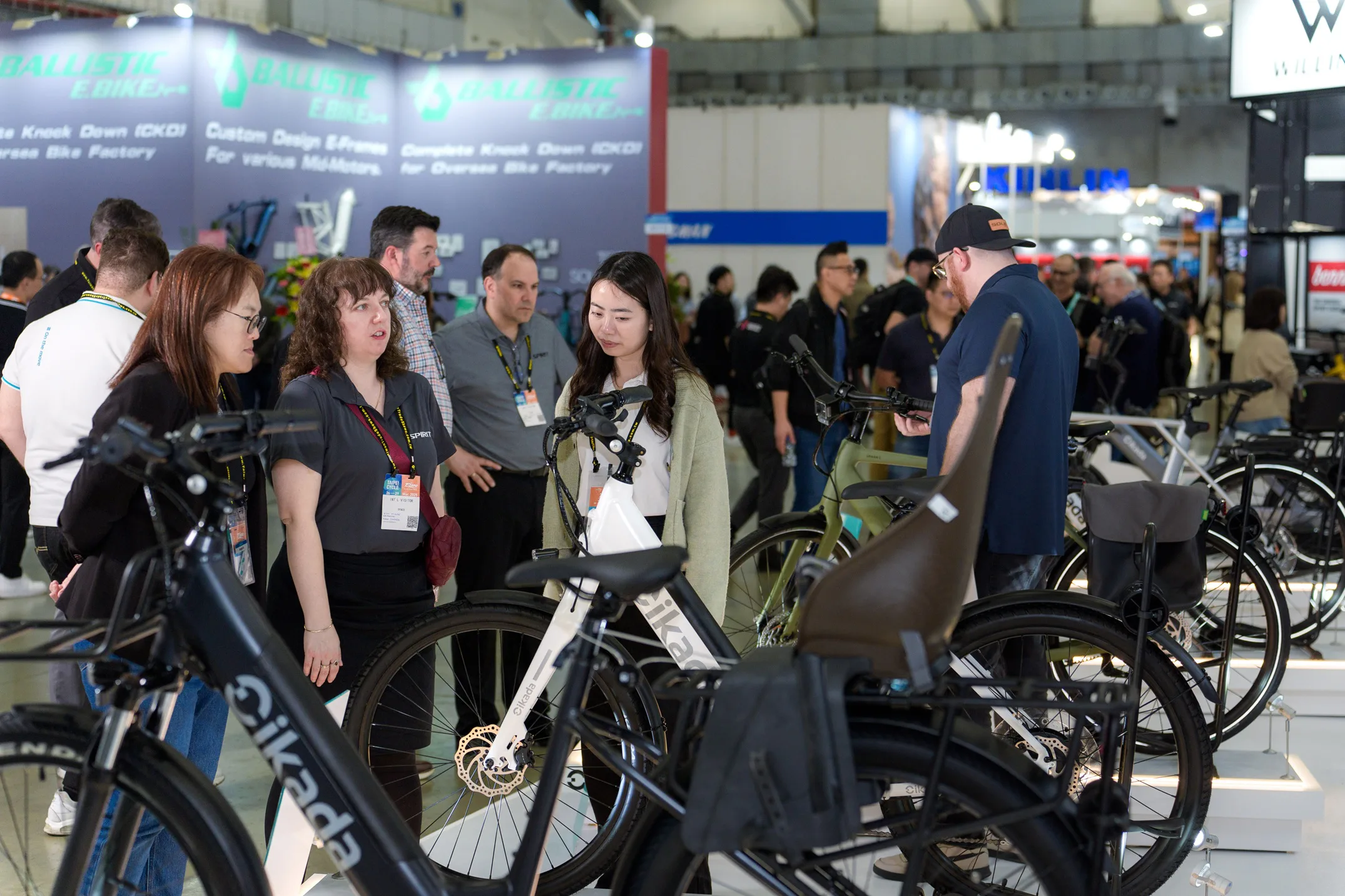
For decades, Taipei Cycle was primarily associated with sourcing. Buyers came to discover products and suppliers, and Taiwan built its reputation as one of the industry's most reliable manufacturing hubs. Today, the requirements are different. Regulations such as the Digital Product Passport (DPP), Carbon Border Adjustment Mechanism (CBAM) and growing ESG expectations are raising the bar for transparency and traceability throughout the supply chain. At the same time, connected products, software integration and smart mobility solutions are changing the nature of competition.
As a result, Taiwan’s bicycle industry is evolving from manufacturing individual products towards delivering integrated systems and services. For brands, that means supplier selection increasingly involves questions about digital capabilities, compliance expertise, software integration and long-term partnership potential, not simply about price and production capacity.
Taipei Cycle 2027 is expected to mirror this shift. Increasingly, the show serves not only as a sourcing platform, but also as a forum where companies can better understand how future requirements are likely to affect product development and supply chain strategies.
Preparing for a more demanding supply chain
Across Europe and North America, manufacturers are under pressure to provide greater visibility throughout their supply chains. Traceability, carbon reporting and digital product information are rapidly moving from competitive advantages to basic requirements.
Taiwanese suppliers have been adapting accordingly. Many are investing in data management, compliance capabilities and closer integration with customers' development processes. Others are focusing on flexible manufacturing models that support low-volume, high-mix production and greater customisation.
These capabilities have become increasingly important as brands seek partners capable of coordinating production across borders while maintaining quality, responsiveness and transparency. For industry professionals visiting Taipei Cycle, understanding these developments may prove as valuable as identifying new products.
Where bicycle hardware meets software
Another important trend becoming increasingly visible is the convergence of bicycles and digital technologies. E-bike platforms are evolving into connected ecosystems. Over-the-air updates, app integration, battery management systems and software-driven services are becoming integral parts of the product offering. This development is creating new competitive dynamics. Success is no longer determined solely by mechanical engineering, but increasingly by the ability to combine hardware, software and user experience.
Taiwan occupies a unique position in this transition. The island’s long-established bicycle expertise sits alongside one of the world's most advanced ICT ecosystems. This creates opportunities for closer cooperation between component manufacturers, electronics specialists and software developers. For brands evaluating future partnerships, understanding these connections may become increasingly important.
Another important trend becoming increasingly visible is the convergence of bicycles and digital technologies”
More than just a trade show
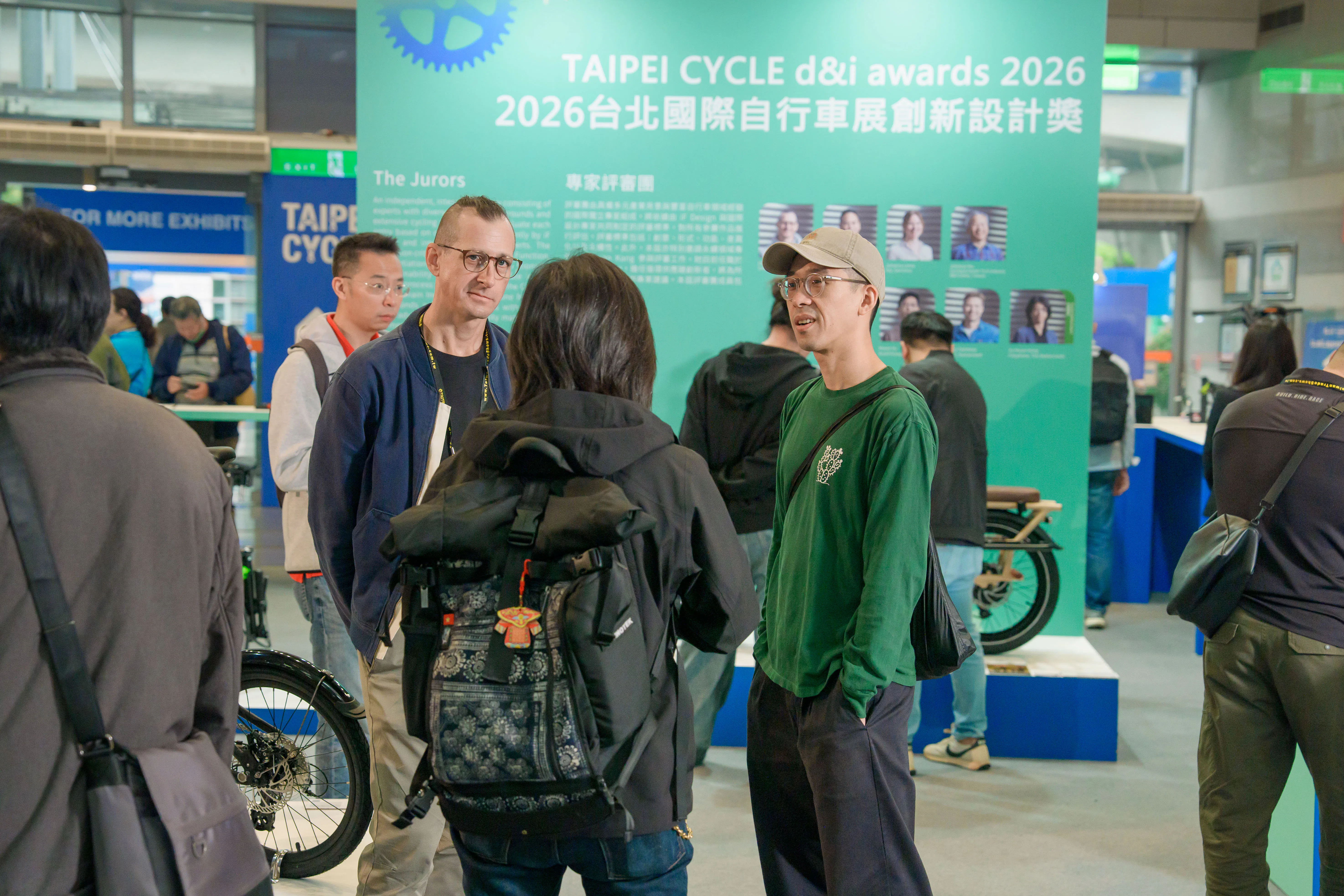
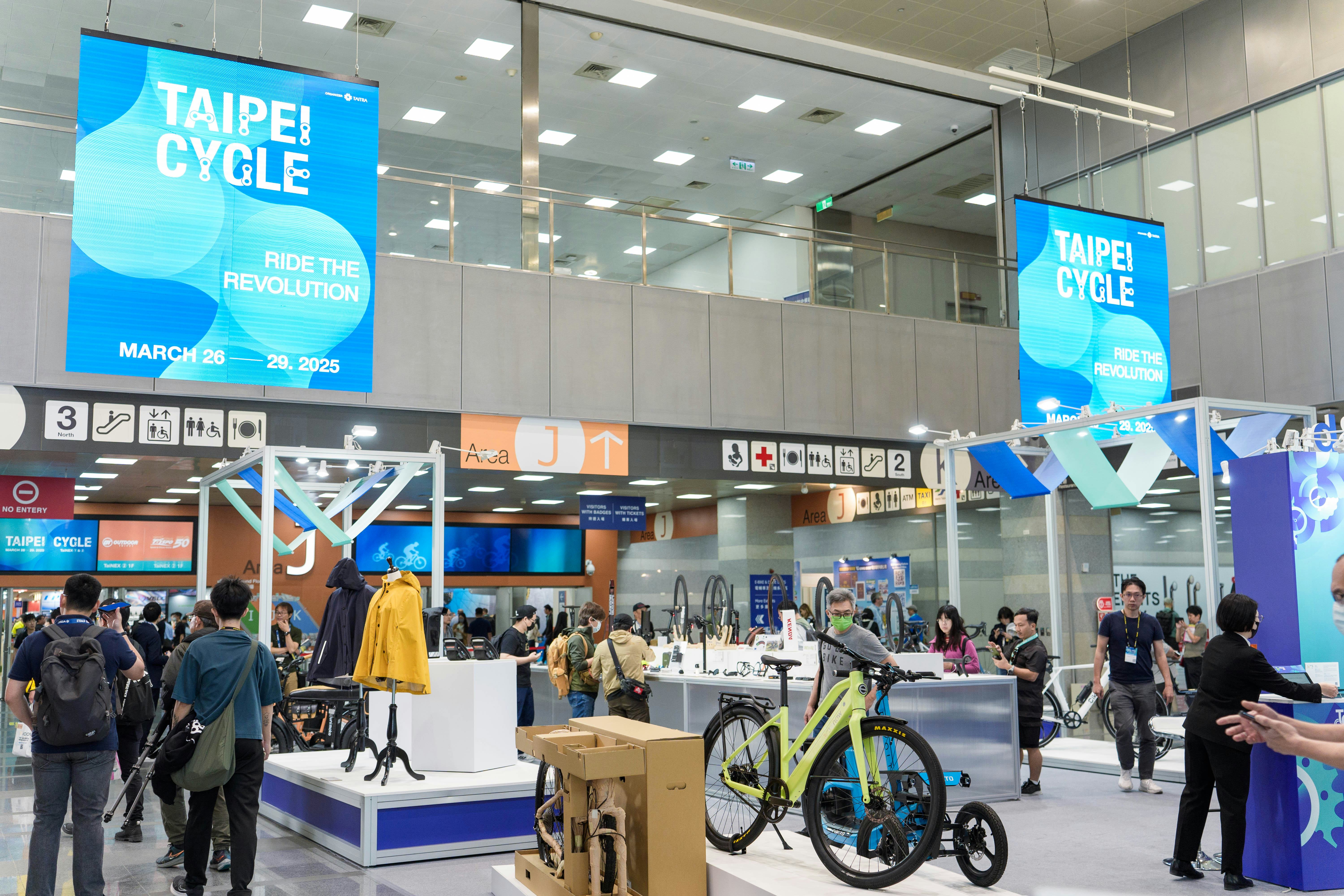
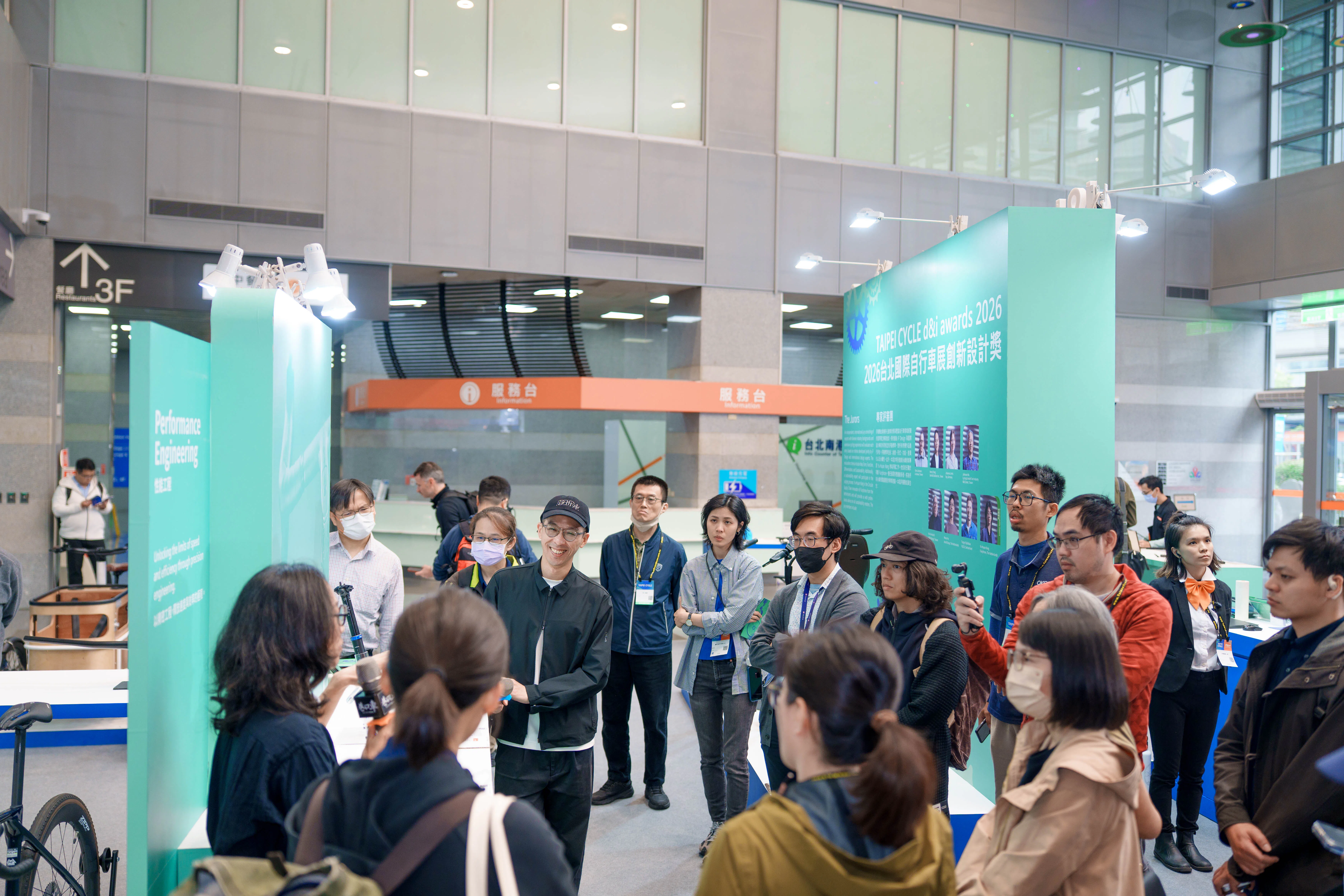
As these industry changes accelerate, trade fairs are also evolving to these new speed requirements. Taipei Cycle 2027 reflects this shift. Beyond product displays, the event is increasingly positioning itself as a place where discussions around regulation, sustainability, digitalisation and future mobility take place.
For visitors, the value proposition extends beyond traditional sourcing. The show offers an opportunity to better understand how the industry is adapting, and which capabilities suppliers will need to remain competitive in the years ahead. In that sense, Taipei Cycle is becoming less a catalogue of products and more a strategic forum for the future of cycling and mobility.
Read also: Taipei Cycle reflects Taiwan's next chapter in the global bicycle industry
The value of Taiwan
Perhaps one of Taiwan’s greatest advantages remains difficult to capture in specifications or presentations: Relationships. International visitors have long appreciated the openness, flexibility and reliability of Taiwanese partners. Factory visits, supplier meetings and exposure to Taiwan’s cycling culture provide insights that cannot be replicated online. Manufacturing capacity can be duplicated. Trust cannot. And that may ultimately be one of the most important lessons Taipei Cycle 2027 offers.
As the bicycle industry becomes more complex, competitive advantage will increasingly depend not only on technology and cost, but also on transparency, collaboration and the ability to build resilient partnerships. Taiwan’s evolution from manufacturing hub to provider of integrated solutions suggests that the future of sourcing is becoming less transactional and considerably more strategic. For companies preparing for the next chapter of cycling and mobility, that shift may be one of the most significant developments to watch.
This article is sponsored by Taipei Cycle Show.