The new SafeMove saddle series from Velo Saddles reflects this shift by combining comfort-focused design with integrated utility features developed for commuters, trekking riders, and modern e-bike users.
Risk of theft
Bike theft remains one of the biggest concerns for urban cyclists, particularly as the value of bicycles and e-bikes continues to increase. Riders are investing more heavily in locks, GPS trackers, and secure parking solutions, while manufacturers are also exploring ways to integrate anti-theft measures directly into bicycle components.
Security, convenience, and adaptability are becoming increasingly important”
“The SafeMove series addresses this through a concealed compartment beneath the saddle designed to house an Apple AirTag,” says Ann Chen, CEO of Velo Saddles. “By integrating the tracking device into a discreet location within the saddle structure, riders can add an additional level of security without attaching visible accessories to the frame or cockpit.”
Velo Saddles developed the concept around the day-to-day challenges many riders now face in urban environments. “Cyclists today are asking more from their bikes beyond ride quality alone,” explains Chen. “Security, convenience, and adaptability are becoming increasingly important, especially for commuters and e-bike riders using their bicycles as part of daily transportation.”
Heavier bicycles
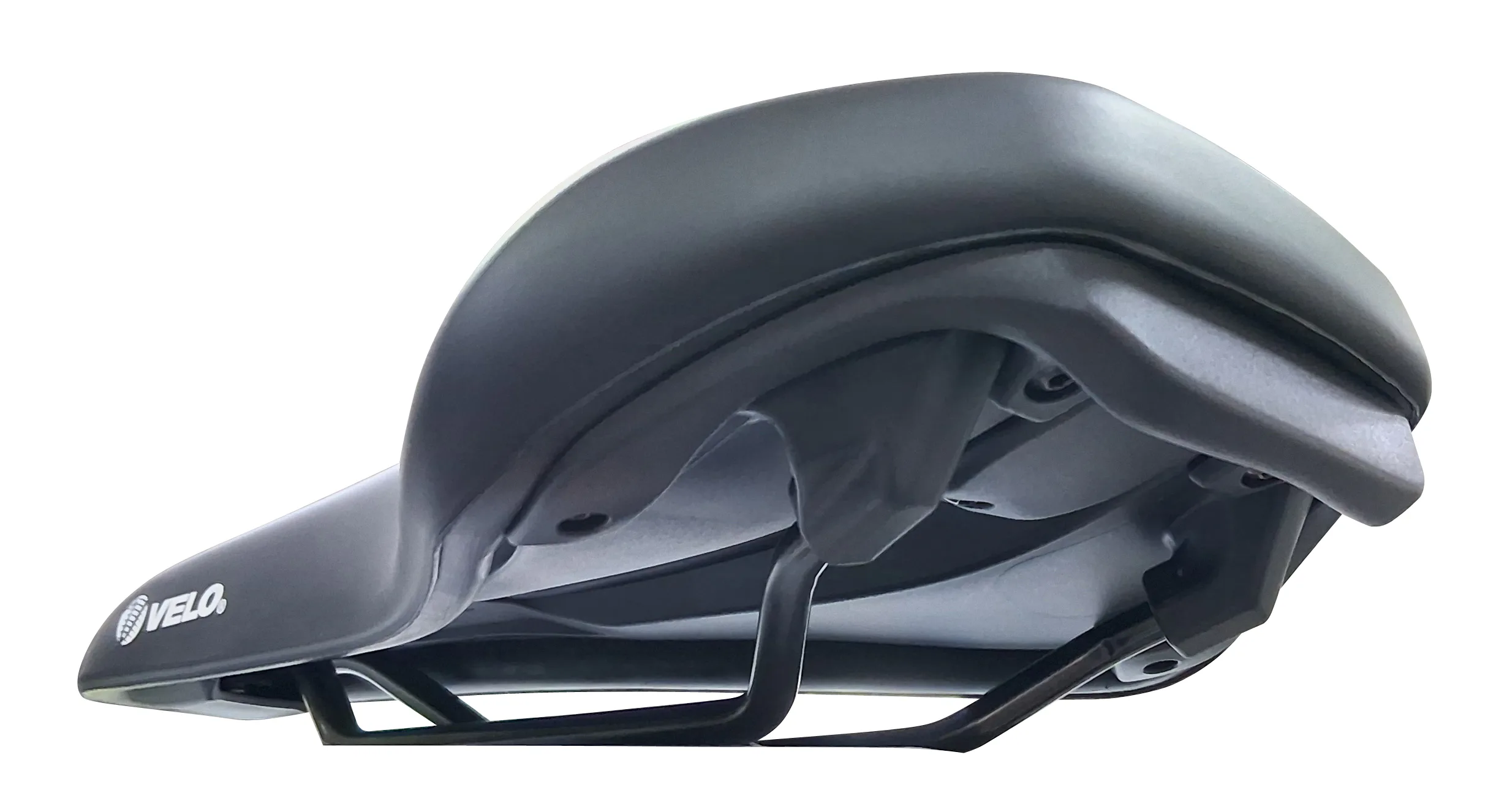
The rise of heavier bicycles has also influenced the design process. E-bikes, SUV bikes, and fully equipped commuter bicycles often create handling challenges off the bike, particularly when carrying them through apartment buildings, onto public transit, or into storage areas.
“To help address this issue, the SafeMove platform incorporates Velo’s integrated ‘I-Carry’ handle system beneath the rear section of the saddle,” says Chen. “The feature provides riders with a more stable lifting point when maneuvering heavier bicycles in everyday situations. While subtle in appearance, the feature reflects a broader shift toward products designed to improve everyday usability, not just on-bike performance.”
Flexibility for every day
Modularity is another growing focus within the commuter and trekking segments. Riders increasingly expect bicycles to adapt to a range of daily needs, from commuting and grocery runs to leisure riding and outdoor exploration.
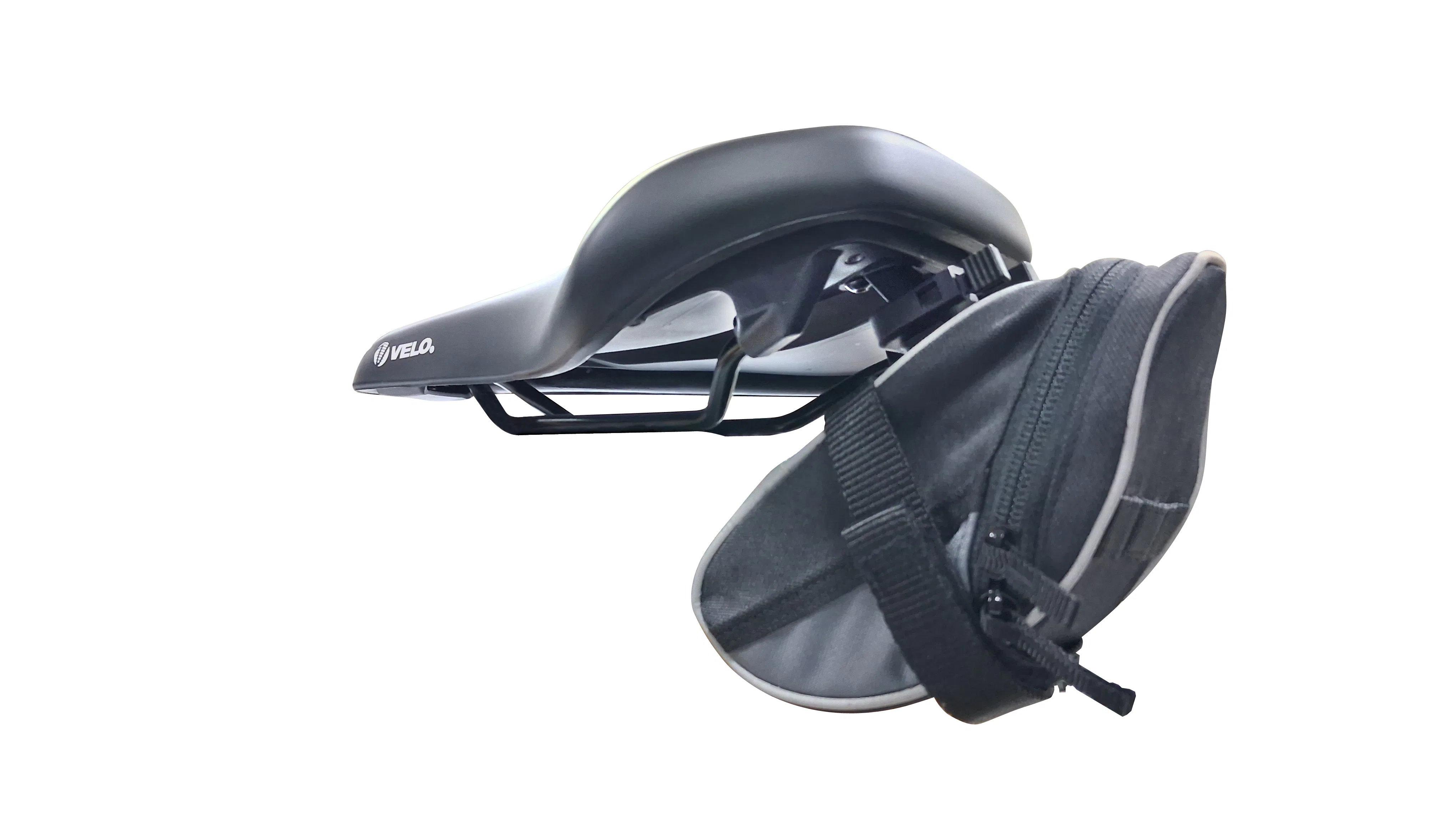
Chen: “The SafeMove saddles support this flexibility through compatibility with V-Mount accessory integration. Riders can replace the I-Carry handle and AirTag compartment with a V-Mount adapter for attaching accessories such as saddle bags or lighting systems. This approach allows riders to configure the saddle based on how the bicycle is being used.”
Sustainability
Beyond functionality, sustainability also played a role in the development process. Across the cycling industry, manufacturers are facing growing pressure to improve material usage and product lifecycle considerations. The SafeMove series incorporates recycled foam materials alongside the company’s SwitchRail construction concept, which was developed to simplify material separation at the end of the product’s usable life. “While sustainability efforts in cycling have often focused on packaging and manufacturing, more brands are now looking at how component design itself can reduce environmental impact, just like we are doing,” Chen adds.
Three models for different riding applications
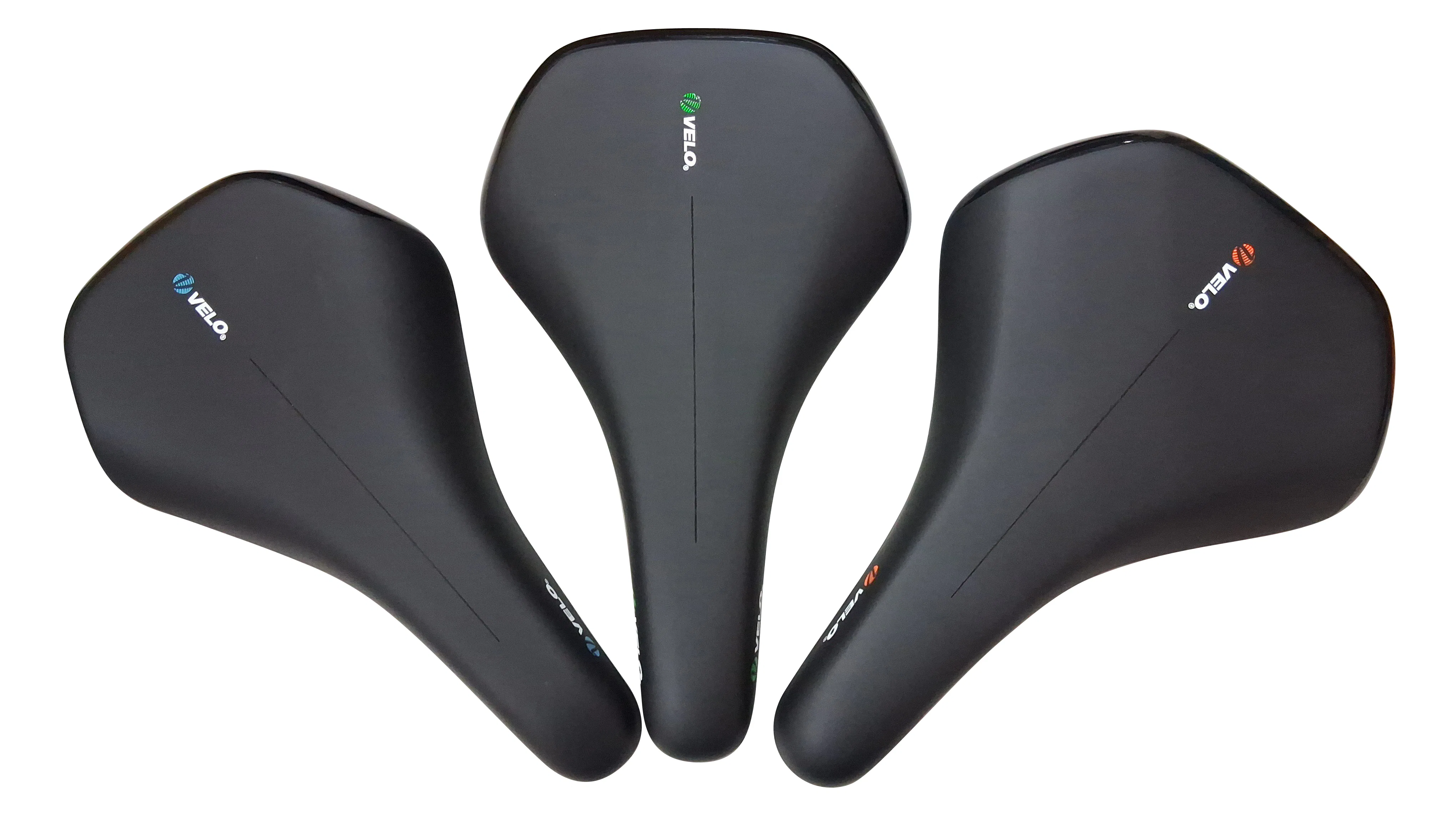
The SafeMove lineup includes three models developed for a variety of riding applications, including city, trekking, SUV, and sport-oriented bicycles. A flat-profile design allows the saddles to accommodate multiple riding positions, ranging from more upright commuter setups to performance-focused riding styles.
Urban mobility
More broadly, the launch highlights how bicycle component development continues to evolve alongside changing rider behavior. As cycling expands further into urban mobility and transportation markets, consumers increasingly value products that improve convenience, practicality, and day-to-day usability in addition to comfort on the bike.
“For suppliers and manufacturers like Velo Saddles, that shift may continue to influence future product development across categories traditionally viewed as purely performance-driven components,” concludes Chen.
This article is sponsored by Velo Saddles.