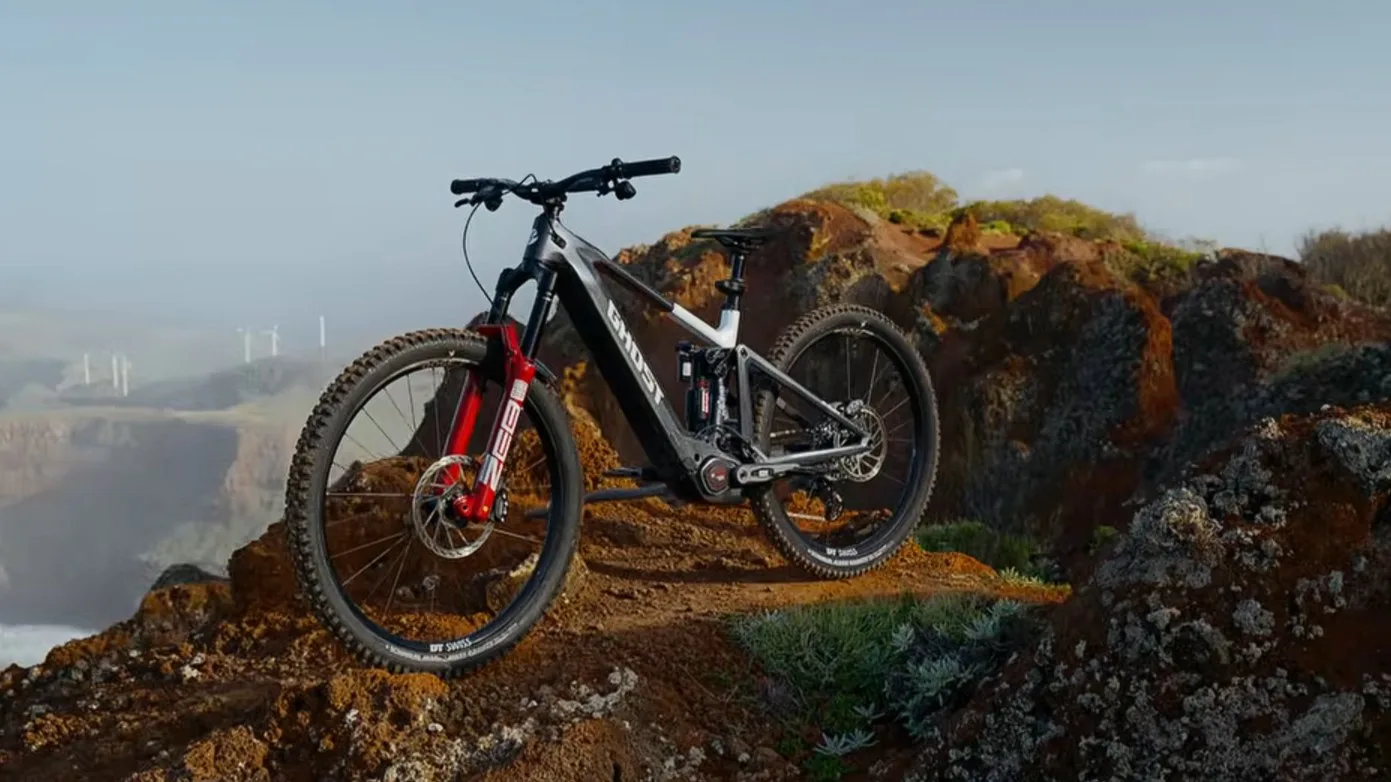
Founded in 1959, Herrmans began as a rim tape specialist and has since evolved into a global OEM supplier of grips, lights, reflectors, chain guards and accessories. Today, its portfolio comprises around 2,000 components used on bicycles worldwide.
Leadership shaped by engineering and global business

“In our industry, challenging periods usually last a year,” says CEO Dan Liljeqvist. “This time it has been three years, and unpredictability has become the new normal.”
Liljeqvist joined Herrmans as CEO in 2018, bringing a background that combines engineering, international sales, management consulting and experience in highly automated industries. That mix proved valuable as traditional planning models lost reliability.
“We had to learn to look through the fog,” he explains. Rather than waiting for clearer market signals, Herrmans focused on strengthening efficiency, flexibility and organisational focus.
From growth to survival - and back to focus
One of the most significant shifts took place internally. “During years of growth, inefficiencies are easy to overlook,” Liljeqvist says. “We had to take the team from a growth mindset to a survival mindset, while keeping motivation high.”
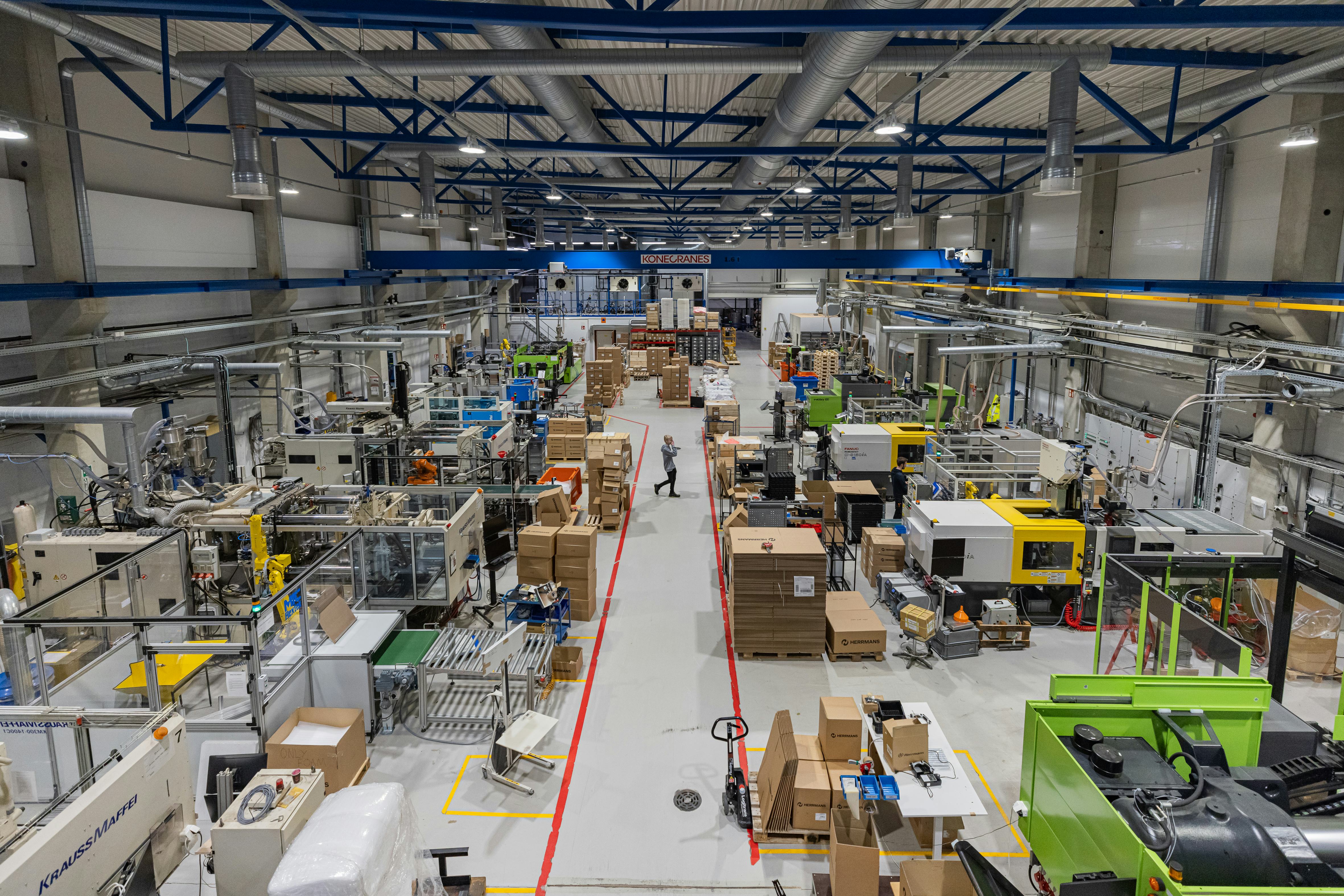
Over the past three years, prioritisation, cost control and continuous efficiency improvements became central management themes. Automation played a key role – not only in production, but across logistics and the wider supply chain.
Visitors to Herrmans’ Finnish headquarters are often surprised by two things: the scale of its in-house R&D and testing facilities, and the high level of automation. “We can produce certain components, such as reflectors and grips, fully automated – from molding to packaging – without a single hand touching the product,” Liljeqvist explains. “That allows us to compete on price while maintaining European production.”
Competing globally, producing locally
Competition from Asia remains a constant factor, but Herrmans has chosen a clear positioning: innovation, high-volume capability, reliable delivery and proximity to customers. “For customers, price and availability are still number one,” Liljeqvist notes. “Our investments in automation allow us to deliver both.”
All new product lines introduced in the past two years have been designed specifically for automated production, enabling cost reductions that are passed on to customers. At the same time, Herrmans continues to invest in recycled and bio-based materials, as well as its long-term goal of carbon-neutral production by 2035.
“Customers don’t pay extra for sustainability today,” says Liljeqvist. “But taking responsibility builds trust – and trust matters, especially in uncertain times.”
Customer-driven development
Competitiveness at Herrmans is not based on manufacturing efficiency alone. The company works closely with customers, supported by in-house expertise in plastics, optics, lighting and global regulatory compliance. Product development is typically driven by customer needs, with Herrmans translating requirements into reliable, compliant solutions.
“We don’t bring a box of parts and start talking about price,” Liljeqvist emphasizes. “We first want to understand what the customer is trying to solve, and then build solutions around that.”
Product managers are increasingly involved in direct customer communication, ensuring that new developments are fit for purpose, cost-efficient and aligned with global safety regulations.
A lean, international organization
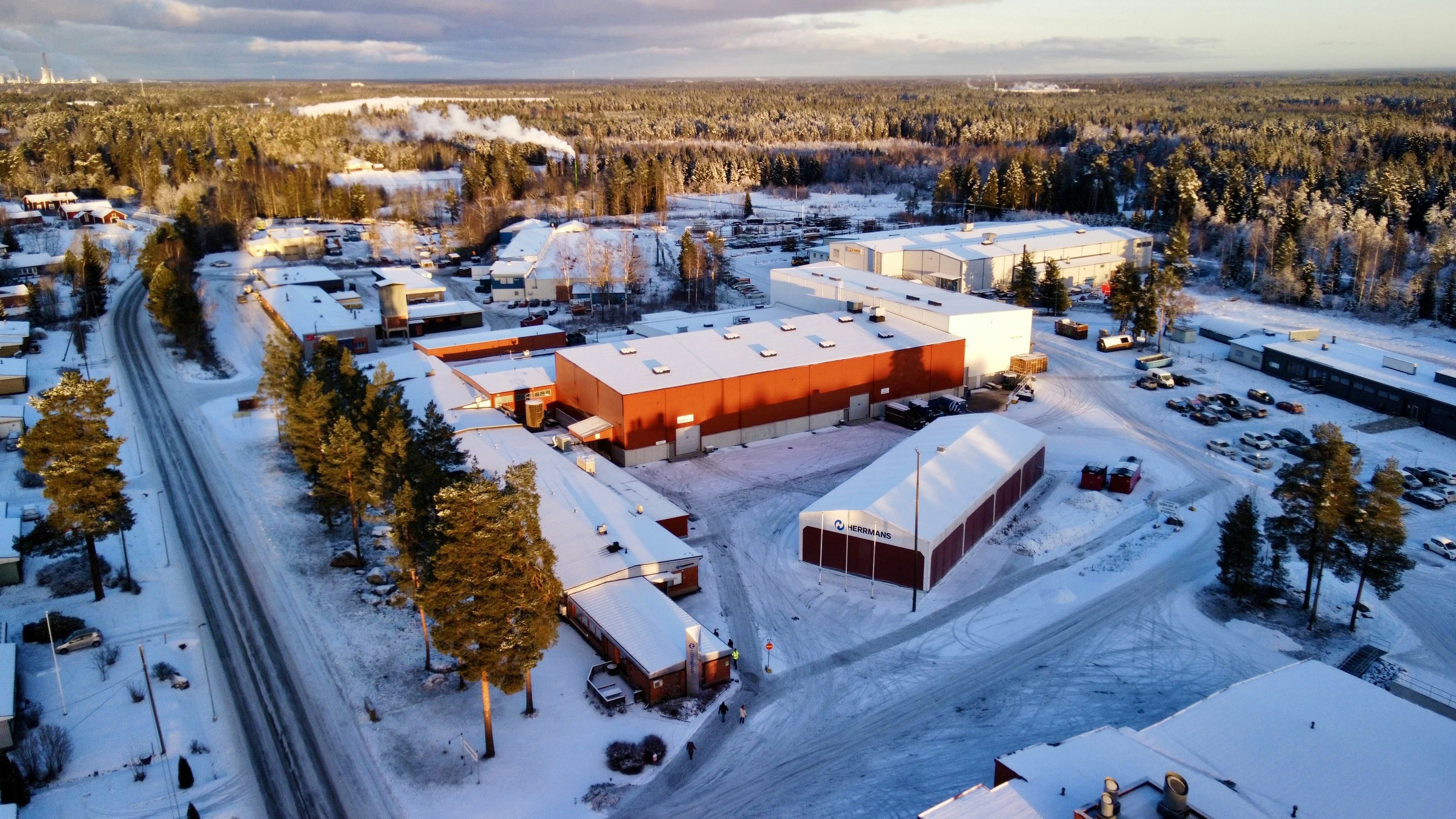
With around 100 employees globally, Herrmans operates with headquarters and production in Finland, a subsidiary in Dortmund, Germany, and an office and warehouse in Taiwan to support Asian customers and production partners. This structure enables short response times and close cooperation with key markets.
Despite the challenging environment, Herrmans has continued to win new customers. According to Liljeqvist, this is driven by openness and genuine engagement. “Our customers feel that there is a real interest in doing business with them.”
Looking ahead
As parts of the bicycle industry gradually return to more stable volumes, Herrmans remains cautious but confident. The focus in short-term is not rapid expansion, but strengthening its position as a reliable European partner with global reach – from a broad own range of standard products to customized solutions available in the region where the bikes are produced.
Readiness for the future, Liljeqvist concludes, is not about predicting the next cycle, but about being prepared for whatever comes next.
This article is sponsored by Herrmans Bike Components.