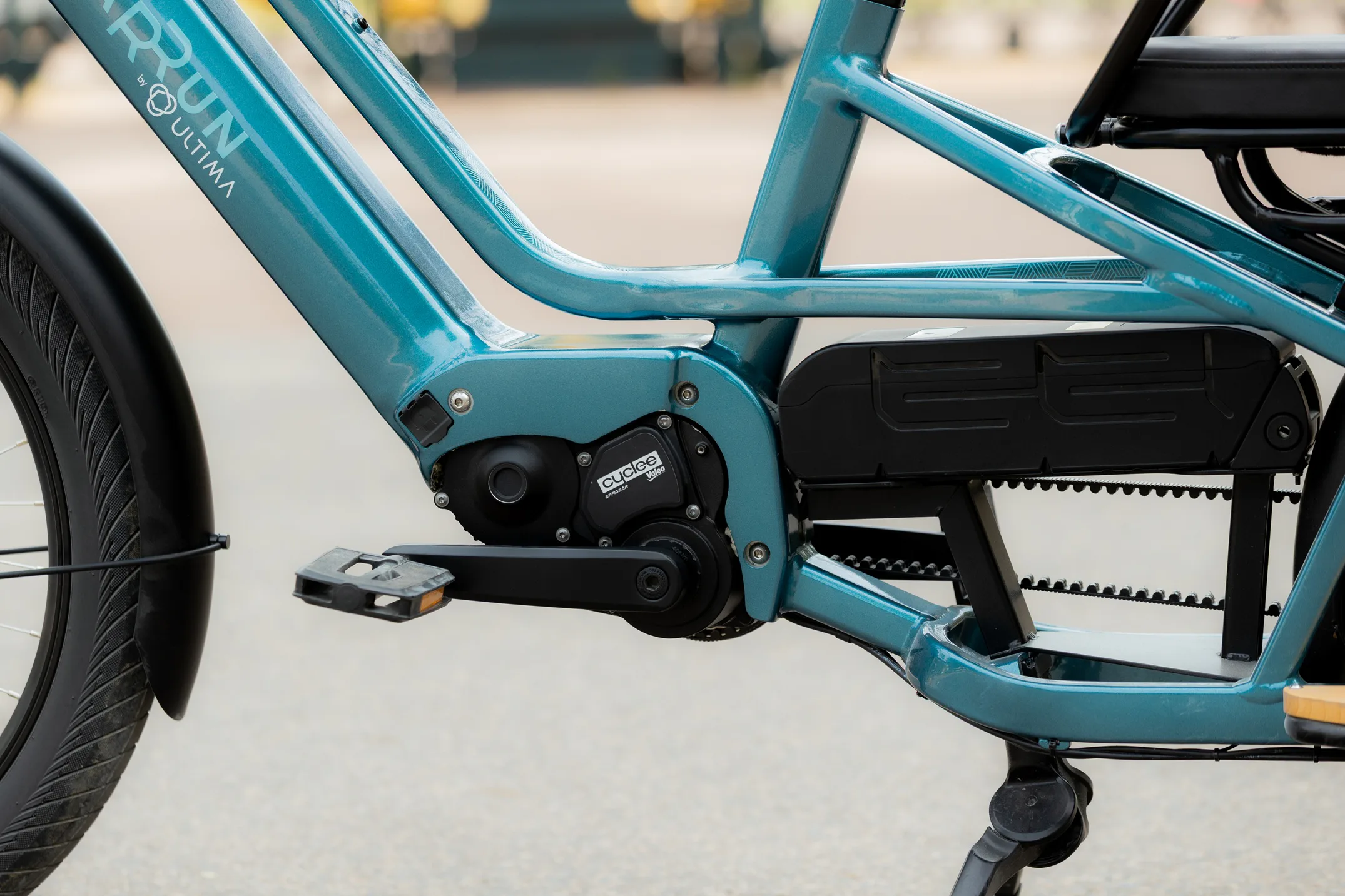
With Cyclee by Valeo, the company is extending its electrification expertise into cycling, built around an integrated Motor Gearbox Unit (MGU).
From a Paris garage to a global mobility giant
Valeo’s roots go back more than 100 years, when it started in a small garage outside Paris producing brake pads for cars. Over time, the company became part of the automotive revolution, expanding its competence from mechanical components to advanced e-mobility technologies today.
Today, Valeo is a global supplier with over 100,000 employees and 59 R&D centers. For the bike industry, that matters: when a supplier of this size enters cycling, it comes with industrial scale, deep validation processes and the ability to invest long term.
Automotive electrification: The real origin story of Cyclee
Valeo’s strongest pillar is electrification. The company states that one out of three cars globally include Valeo electrification technology. Its experience was built over decades, starting with generator and starter systems, start-stop solutions, evolving into 48V architectures, a technology space where Valeo has been active for around 20 years.
That background is central to Cyclee. While the e-bike market largely developed around 36V systems, Valeo is bringing proven 48V expertise, combined with deep competence in thermal management and embedded software, both critical for performance, battery reliability and range.
And Cyclee is part of Valeo’s Power division, meaning it is backed by the same drivetrain and gearbox engineering culture used in automotive development.
Why Valeo chose cargo bikes as Its entry ticket
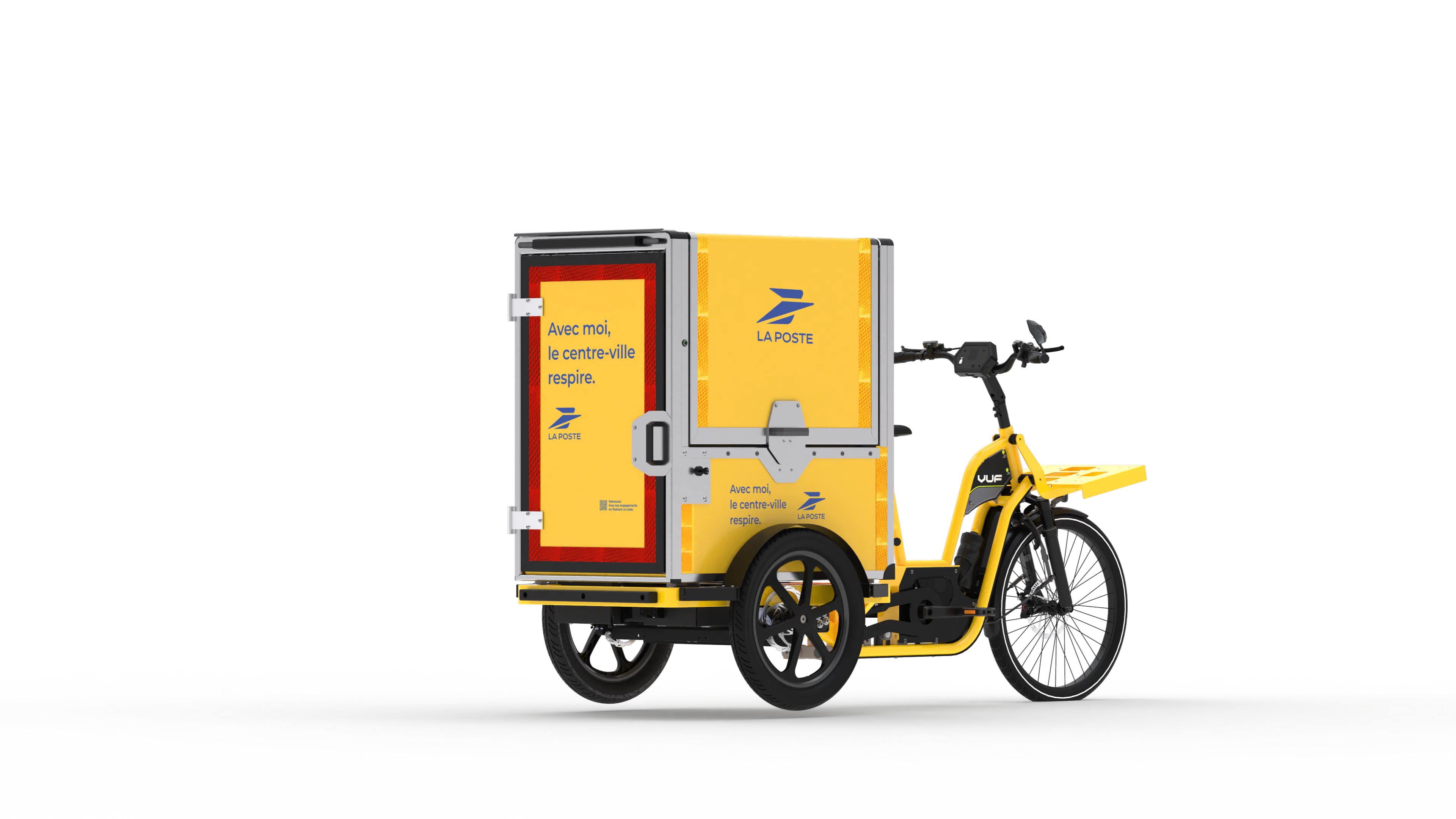
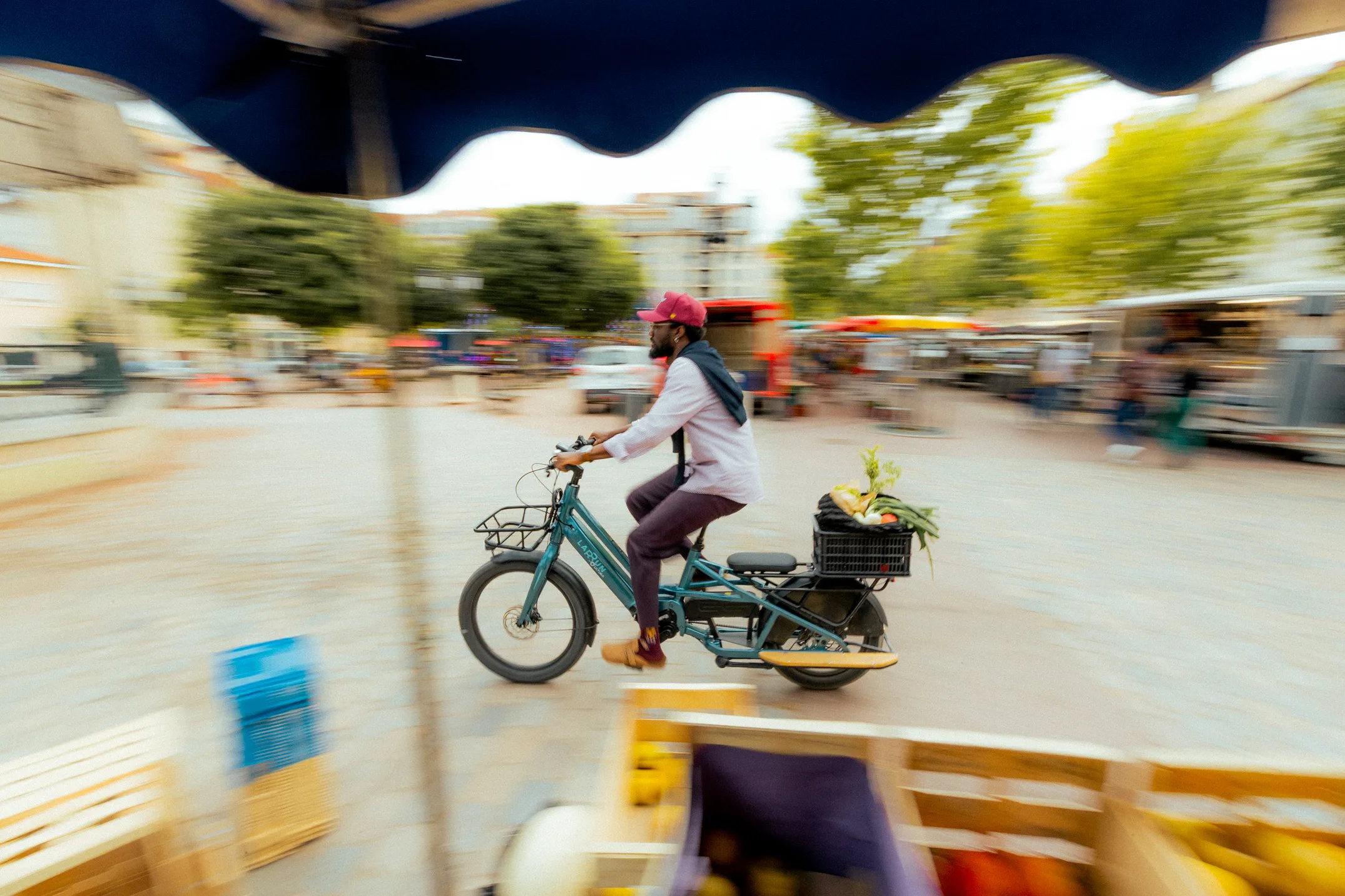
Instead of starting with leisure e-bikes, Valeo deliberately entered cycling through the toughest segment: professional heavy-duty e-cargo bikes. In last-mile logistics, reliability is not another feature, it is the business model. Cyclee’s early success includes deployments with La Poste in France, where cargo bikes operate daily under highest loads. These bikes can reach up to 330 kg total weight, making them a demanding test environment for any drivetrain.
Holger Schwab, Valeo Vice-President for Power Division in Europe is in charge of Cyclee and sums it up clearly: “Cyclee has proven its technologies on the most demanding use. A market entry through the toughest gate. Now we are excited to launch the next stage.”
The MGU: one unit, one system, one direction
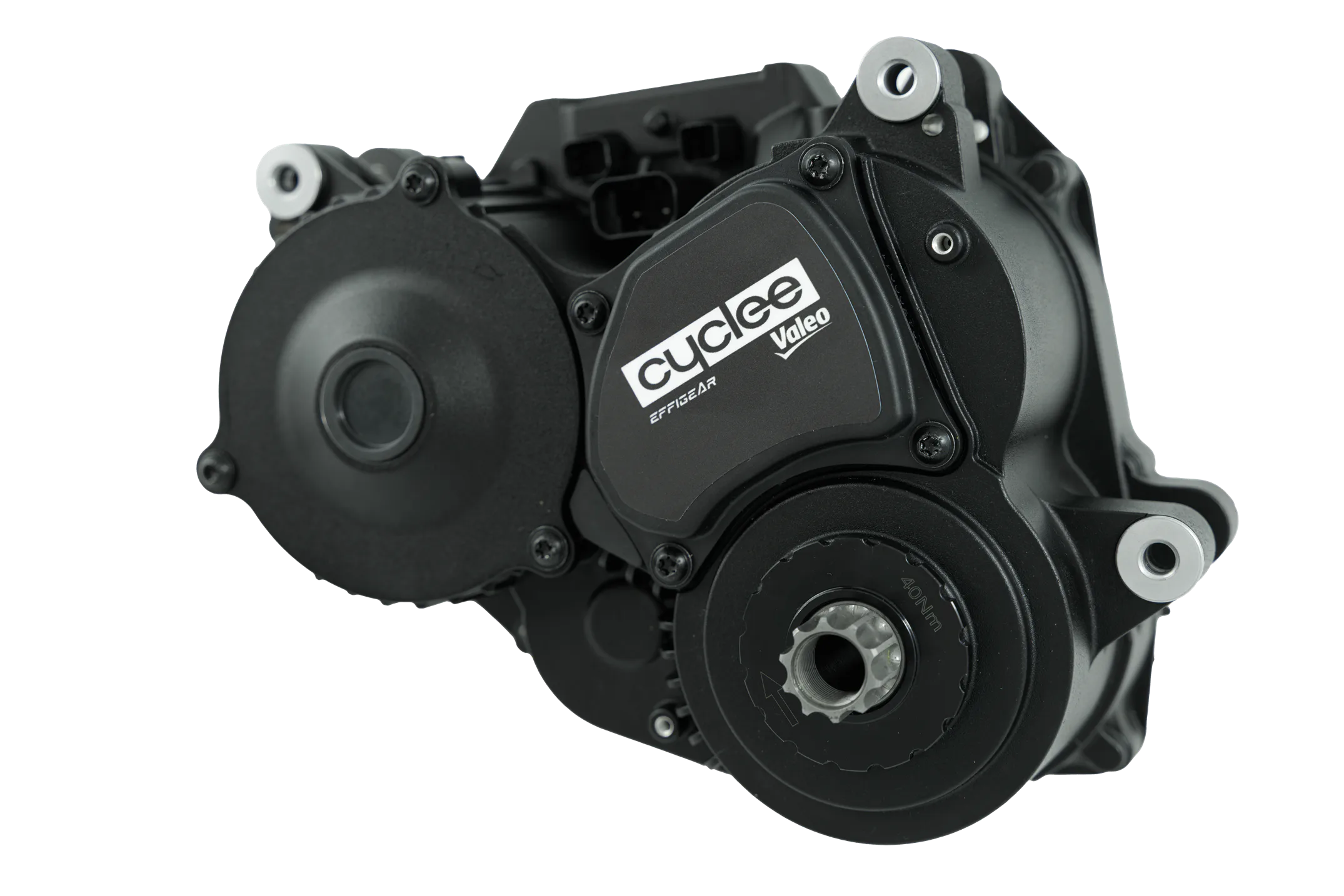
At the center of Cyclee is the MGU, integrating motor, gearbox and intelligence into one pedal unit. The current GO7 platform features a 7-speed transmission, delivering 130 Nm on each gear, up to 1100W mechanical power, and assistance up to 500%, including a boost function.
Cyclee’s main argument is integration and simplicity. Rather than separate components, Valeo believes future e-bike drivetrains will move toward one intelligent module that improves comfort and reduces complexity for OEMs.
Automated shifting and predictive assistance modes further underline the automotive approach: the system continuously adapts power and gear selection to rider conditions - smart.
Learning the hard way: Valeo adapts step by step to bike culture
Valeo is very transparent about its learning curve. "Engaging with the specific technical requirements and the very high expectations of the cycling end-user initially provided us with crucial insights," Schwab says. "This valuable feedback inspired a rapid optimization phase for Cyclee, focusing on making the system quieter and more intuitive. We listen and learn; customers have already given us positive feedback about our improvements.” Valeo also reinforced its teams with experts from the cycling industry and is now able to meet bike-specific standards.
Launching stage 2: From logistics to family & adventure bikes
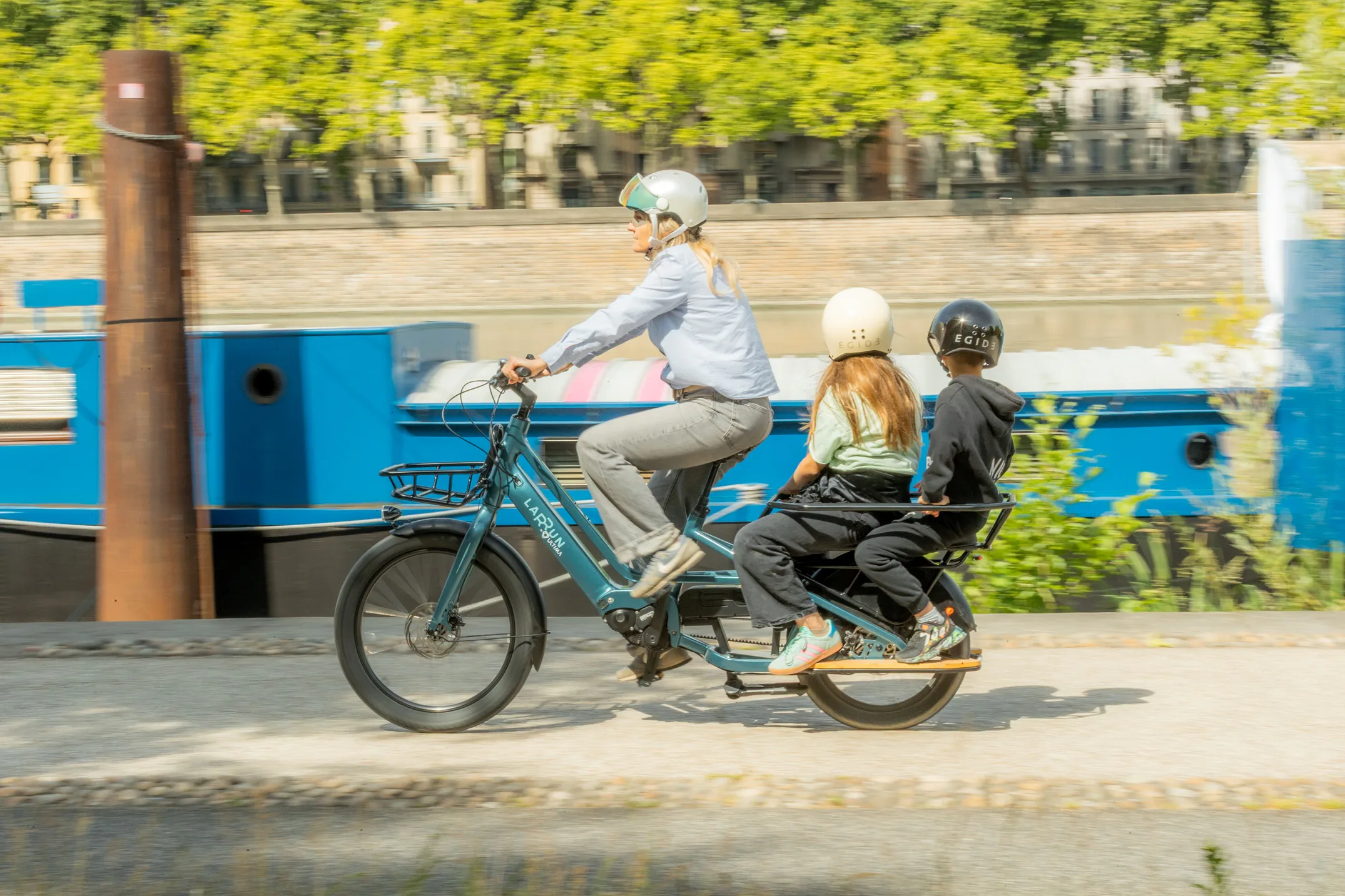
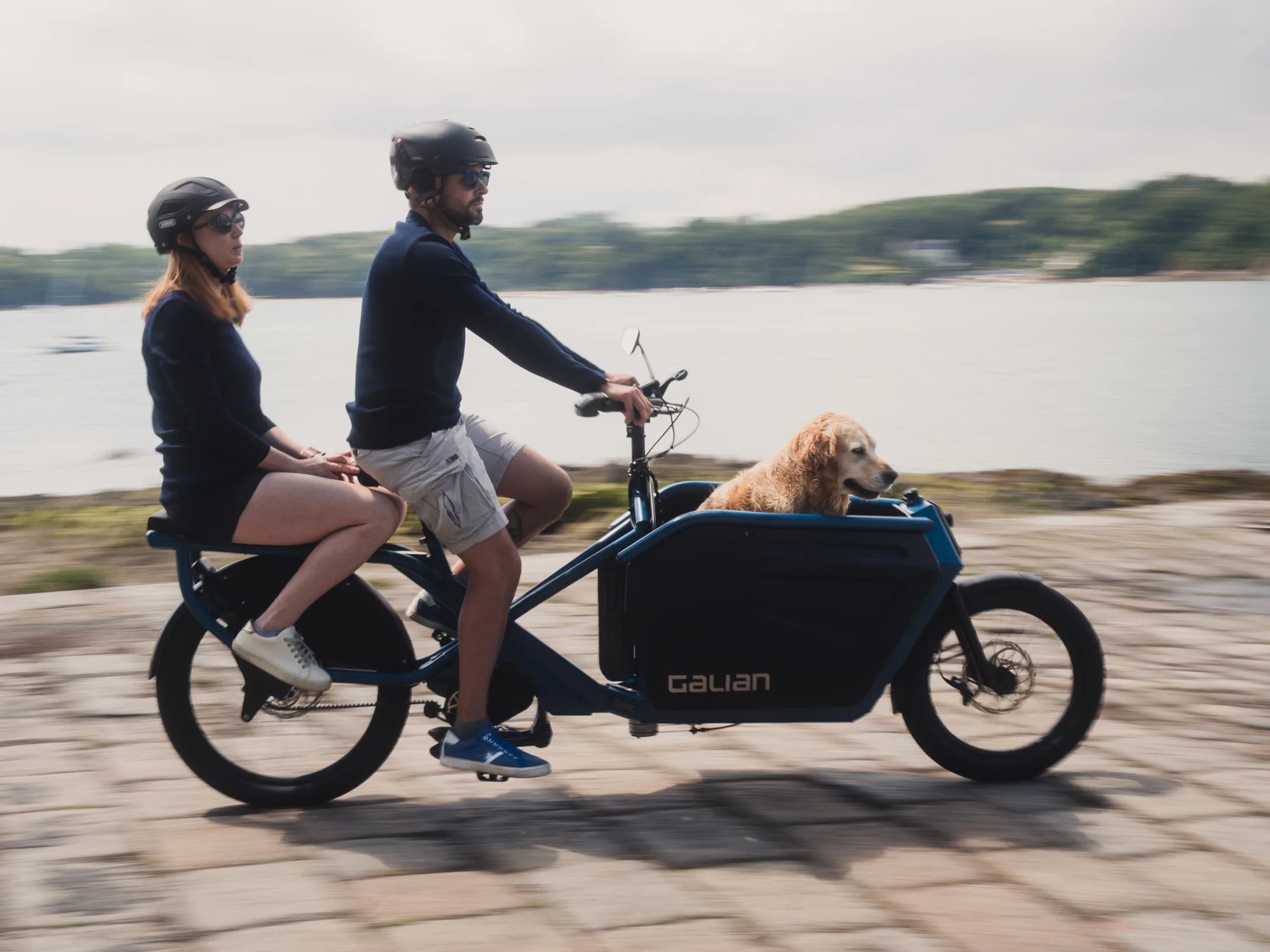
With professional use of e-cargo bikes proving the concept, Cyclee is now preparing to expand into SUV e-bikes and family cargo. Development is concentrated in Valeo’s mobility R&D hub near Amiens, where validation is supported by extensive testing resources.
The system supports belt drives, is engineered for minimal maintenance, and includes an integrated anti-theft mechanical lock, an important feature in urban fleet environments.
And beyond hardware, Valeo brings something the cycling market often struggles to scale: service infrastructure. The established Valeo automotive aftermarket service organization, has been translated for Cyclee into the dedicated Pro Portal, enabling diagnostics, technical bulletins, and service workflows, supported by training and multilingual technical hotlines across Europe.
A new name in cycling—But not a newcomer in electrification
Cyclee by Valeo may be young in the bike market, but it is backed by one of Europe’s strongest electrification suppliers. For OEMs, the message is clear: a powerful all-in-one system, a strong European footprint, and a supplier with the resources to offer the best level of quality and service. Now Valeo prepares Cyclee to become a platform for much broader e-bike segments.
Cyclee will underline its ambitions at the Eurobike show in Frankfurt with both indoor and outdoor presence providing personal team engagement and test ride opportunities.
This article is sponsored by Valeo.